


In many ways, advertising is the art of compressing an entire brand into a few minutes or even seconds. Over the last century brands have used that art to embed themselves in our cultural DNA, sometimes by tugging at the heartstrings and other times by making us laugh or recoil.
The campaigns below span television and print, digital and experiential; they range from emotional narratives to irreverent pranks. Yet they all did something more than sell a product: they changed how we think about the brands behind them and, in many cases, about ourselves.
This list is an homage to the ads that kept us talking long after the screen faded to black.
VW – Think Small (1959)
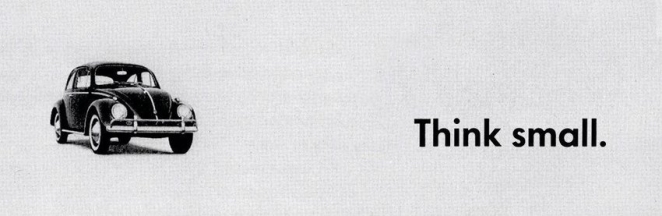
It’s difficult (and almost quaint) today in an era of social media and Donald Trump to appreciate just how radical Volkswagen’s “Think Small” print campaign was. In post‑war America, where cars were growing longer and fins taller, a tiny European car with an almost toy‑like silhouette seemed like a joke. DDB art director Helmut Krone and copywriter Julian Koenig embraced that incongruity.
Instead of retouching away the Beetle’s imperfections, they placed it against a vast field of white space and used a sans‑serif font, giving the impression of an honest brand with nothing to hide. The copy even poked fun at the car’s limitations, encouraging readers to focus on reliability rather than size. The minimalist ad became a watershed moment in modern advertising: Ad Age later ranked it the greatest campaign of the 20th century, noting that its honesty and simplicity changed consumer advertising practices.
Why it stuck
Minimalism as marketing. The ads used large expanses of white space and small images of the car, forcing readers to lean in.
Honest copy. Rather than masking flaws, the campaign celebrated them (“Lemon” was an early headline), establishing trust and humour.
Cultural impact. By challenging the bigger‑is‑better narrative, “Think Small” prepared audiences for an age in which authenticity would trump hyperbole.
Marlboro – The Marlboro Man (1954‑1999)
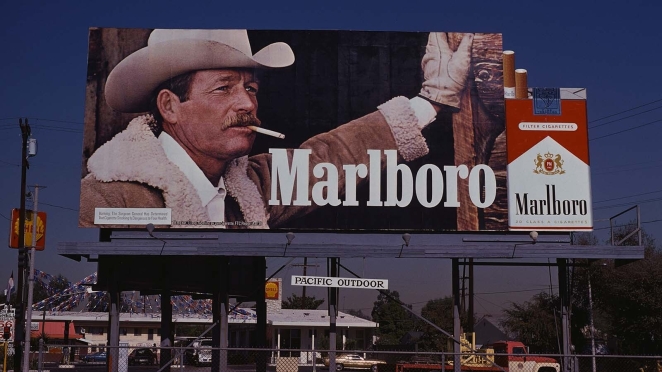
Originally introduced as a filtered cigarette for women, Marlboro needed to reinvent itself. Advertising legend Leo Burnett found inspiration in the rugged cowboy. From 1954 onward the Marlboro Man appeared in magazines and on billboards, silhouetted against wide‑open skies. He didn’t speak; he didn’t need to. The masculine imagery recast Marlboro from a mild cigarette to one associated with freedom and toughness.
The decades‑long campaign helped transform Marlboro into one of the world’s best‑selling cigarettes. Burnett’s strategy turned Marlboro into a masculine icon and, at least in terms of immpact, it remains one of the most brilliant advertising campaigns of all time and in the words of SomeOne Founder Simon Manchipp: "the most successful and the most lethal campaign in history".
Why it stuck
Archetypal storytelling. The cowboy became a symbol of independence at a time when many people longed to escape conformity.
Consistency. For nearly five decades Marlboro used the same motif, proving the value of long‑term brand assets.
Controversy. Over the years the campaign attracted criticism for glamorising smoking, but the very debate helped keep it in the public consciousness.
Pepsi – The Pepsi Challenge (1975)
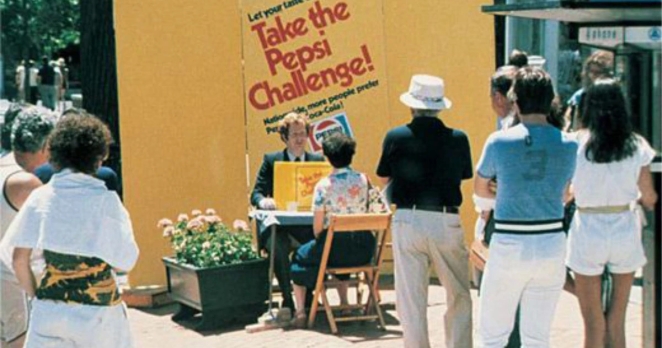
In an audacious act of comparative marketing, PepsiCo took its cola war with Coca‑Cola to the streets. In 1975 the company set up blind taste‑test booths in malls and supermarkets across the United States. Shoppers sampled two unlabeled cups (one containing Pepsi and the other Coke) and were asked which they preferred. Much to the surprise of many participants, more than half chose Pepsi.
The results became the basis of The Pepsi Challenge TV spots, which televised real consumers choosing the challenger brand. The campaign massively increased Pepsi’s market share and emboldened other brands to use comparative advertising.
Why it stuck
Consumer‑centric proof. By handing control to consumers, Pepsi lent authenticity to its claim of superior taste.
Competitive bravado. Directly comparing a product to the market leader was daring and changed how brands approached rivalry.
Long‑term impact. The challenge concept reappeared in later decades, proving the durability of the idea.
Marmite – Love It or Hate It (1996)
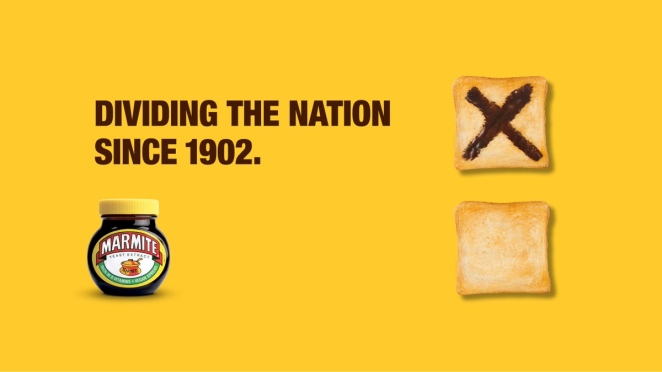
Yeast extract isn’t the most glamorous product, but Marmite embraced its divisive flavour. When DDB London launched the “Love it or hate it” campaign in 1996, they acknowledged that some consumers adored the spread while others found it repulsive. The strapline was born out of an agency debate where one team member loved Marmite and another hated it. The slogan quickly became part of British vernacular and is still used to describe any polarising subject.
The brand’s aggressive flavour meant that some people “don’t like a great smack in the teeth, and some of us do,” but turning that weakness into a strength has given Marmite enduring cultural relevance.
Why it stuck
Honesty about divisiveness. Rather than chasing universal appeal, the campaign celebrated strong opinions.
Cultural shorthand. “Love it or hate it” became a phrase applied far beyond food.
Self‑parody. Later ads like “End Marmite Neglect” parodied charity appeals, showing how far the brand was willing to go with the joke.
Nike – Just Do It (1987)
In 1987 Nike’s advertising agency Wieden+Kennedy needed a line to unify a disparate set of commercials. Copywriter Dan Wieden turned to an unlikely source: the last words of convicted murderer Gary Gilmore, who said “Let’s do it” before his execution. Wieden changed the phrase to “Just do it.”
Wieden insisted on including a tagline despite initial hesitation, and it quickly resonated with viewers. Nike’s then‑global marketing director Davide Grasso later explained that the line became more than a slogan; it represented a philosophy for athletes everywhere and remains translated into multiple languages.
Why it stuck
Universal encouragement. The command works whether you’re trying to run a marathon or simply get off the sofa.
Adaptability. Over decades the line has accompanied stories of everyday people, Olympians and activists, proving its flexibility.
Cultural momentum. “Just do it” transcended marketing to become part of motivational speech.
Channel 4 – We’re the Superhumans (2012/2016)
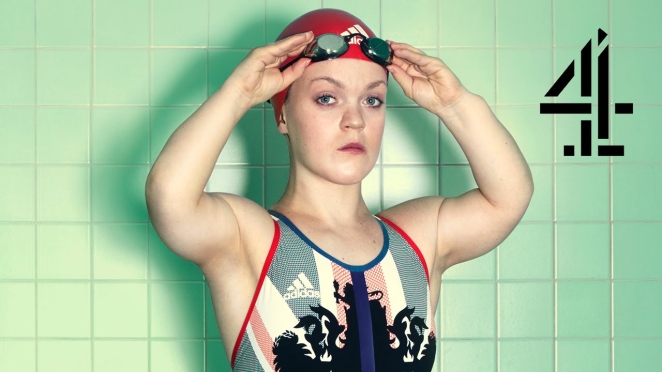
Building on its wildly successful 2012 “Meet the Superhumans” campaign, Channel 4 and its in‑house agency 4Creative released “We’re the Superhumans” on 15 July 2016 to promote the Rio Paralympics. Set to Sammy Davis Jr.’s “Yes I Can,” the film features a band of musicians with disabilities and more than 140 people, including Paralympians, dancers, acrobats and ordinary folk performing extraordinary feats.
Channel 4 marketing chief Dan Brooke described it as an “unbridled celebration of ability” and the ad won the Cannes film Grand Prix. It reframed disability not as limitation but as superpower.
“A brilliant original strategic approach has led to a great long running campaign. But it was the mighty ‘We’re the superhumans (Yes I can)’ that truly blew me away. Just three minutes of unbelievable creative and craft in a way that only Channel 4 could do. Still wows me.” Gary Fawcett, ECD at TBWAMCR
Why it stuck
Authentic representation. The cast included people with disabilities performing everything from drumming to stunt‑driving.
Uplifting soundtrack. “Yes I Can” became an anthem for empowerment.
Bold execution. The film’s scale and craft changed expectations for Paralympic advertising.
Guinness – Good Things Come to Those Who Wait (1996‑)
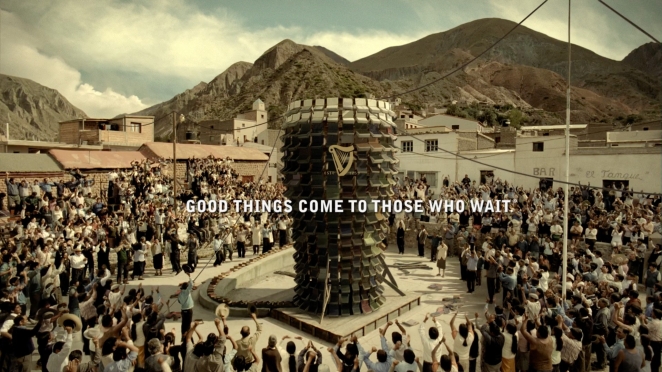
When Abbott Mead Vickers BBDO pitched for the Guinness account in 1996, the agency turned a drawback (the 119.5 seconds it takes to pour a pint correctly) into a benefit. The resulting slogan “Good things come to those who wait” framed patience as a virtue.
The first advert, Swimblack (1998), showed an aging athlete racing to pour a pint; sales among older men rose accordingly. The 1999 spot Surfer, with its dramatic black‑and‑white horses crashing through waves, was later voted the best ad of all time in a joint poll by The Sunday Times and Channel 4.
Why it stuck
Reframing a negative. Turning a pour time into a source of anticipation made waiting part of the ritual.
Epic storytelling. Ads like Surfer elevated pouring a pint to a mythic quest.
Longevity. The line has appeared in Guinness communications for nearly three decades.
Skittles – Touch (2007)
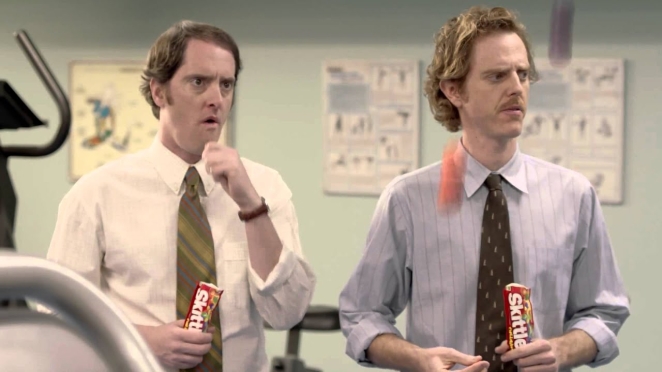
Confectionary advertising rarely strays from joy, but Skittles embraced dark humour in its 2007 spot “Touch.” The ad features Tim, a man cursed to turn everything he touches into Skittles. Tim can’t hold objects, pet cats or shake hands — when he recounts shaking a man’s hand on a bus, he laments that the man will “never see his family again.”
The concept, casting and writing were perfect, and the ad remains darkly funny more than fifteen years later.
Why it stuck
Unexpected tone. The ad uses tragicomic horror to sell candy, a refreshing departure from sweetness.
Memorable concept. The idea of a man cursed by irresistible candy lodged itself in viewers’ minds.
Shareability. The dark punchline made it a favourite on social media long before “viral marketing” was a term.
Apple – Get a Mac (2006‑2009)
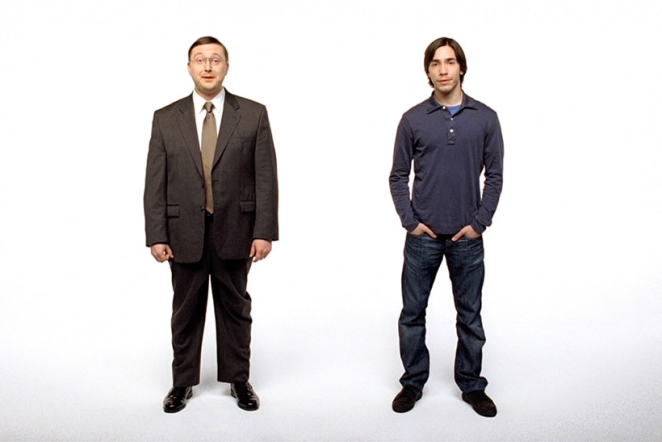
To counter perceptions that Apple computers were only for designers, TBWAMedia Arts Lab created a series of humorous duologues featuring a relaxed young man (Justin Long) introducing himself as a Mac and a nerdy corporate type (John Hodgman) as a PC. Each spot highlighted a benefit of Macs (fewer viruses, better multimedia performance) through playful banter.
The campaign ran from 2006 to 2009 in several countries, leading to a sales surge: Apple sold an extra 200,000 Macs in the first month and by July 2006 had increased sales 39% compared with the previous fiscal year.
Why it stuck
Personification of products. Casting computers as characters made technical differences relatable.
Humour and humility. The Mac never gloated; the PC was lovable despite his foibles.
International adaptability. Local versions starred comedians suited to each market, increasing global relevance.
PlayStation – Double Life (1999)
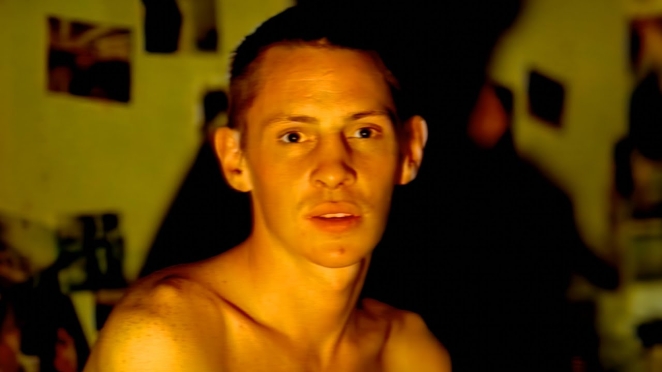
In 1999, video gaming was still viewed by many as a childish pastime. TBWA’s “Double Life” campaign for PlayStation flipped that narrative. The 60‑second film features a procession of people (a teacher, a city worker, a breastfeeding mother) confessing that beyond their mundane lives they live other identities through gaming.
The ad reframed gaming as an identity and is considered one of the greatest video‑game ads ever made. By showing a diversity of gamers, it legitimised gaming culture and hinted at the immersive experiences of the next millennium. Honestly, it still sends shivers down my spine to this day.
“For me, this is just the greatest ad of all time, by arguably one of the greatest ad directors of all time. Gaming was seen as childish in 1999 and this campaign by TBWA (of course) reframed it as an identity. It’s a masterclass in casting, editing, shot composition, music and cinematography. And the creative idea is just magnificent. Pure art. It still feels as fresh and relevant today.” Gary Fawcett, ECD at TBWAMCR
Why it stuck
Identity reframing. It claimed that everyone, not just children, could be heroes in another universe.
Cinematic craft. The monologue, editing and cinematography felt like a short film rather than a commercial.
Longevity. Nearly a quarter century later, the ad is still celebrated for its artistry.
XBOX – Life is Short. Play More (2002)
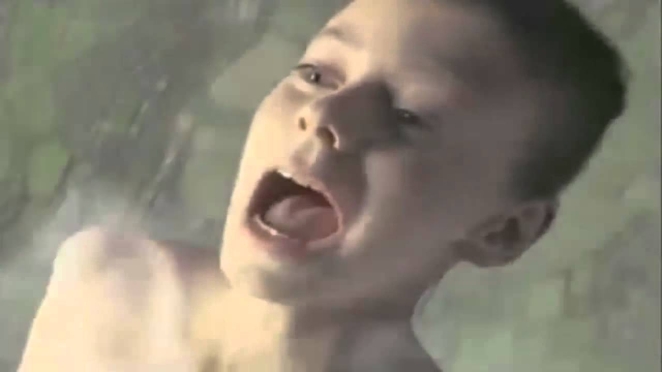
Few ads have been as controversial as Microsoft’s 2002 Xbox spot known internally as “Champagne.” The commercial opens in a delivery room. As the mother gives birth, the baby shoots out the window and rockets through the air, aging rapidly until he lands in a grave. The tagline appears: “Life Is Short. Play More. Xbox.”
The ad was created for the European launch of Xbox and was part of the “Play More” campaign. Despite high craft (the team used twelve actors and built custom rigs to simulate the launch) the UK’s Independent Television Commission banned it after receiving 136 complaints.
Why it stuck
Shock value. The life‑in‑a‑minute visual still shocks viewers over twenty years later.
Memento mori meets fun. It reminds us that life is short, so we may as well play.
Viral resilience. Although banned from TV, the spot lived on online and in cinemas.
Diet Coke – Diet Coke Break (1994‑2013)
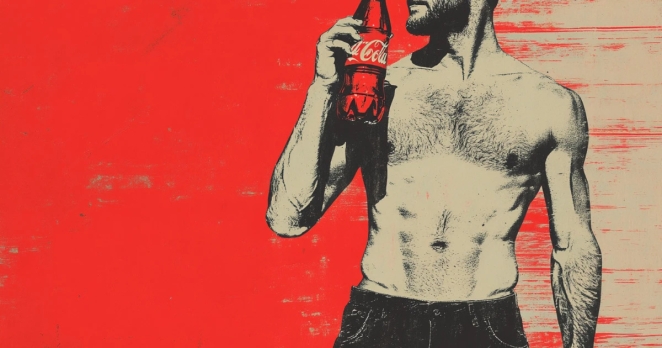
In 1994 Diet Coke aired an ad that flipped traditional gender tropes. At 11:30 a.m., a group of female office workers crowded around a window to watch a handsome construction worker remove his shirt and take his “Diet Coke break.” Set to Etta James’s “I Just Want to Make Love to You,” the spot starred Lucky Vanous and proved so popular that Coca‑Cola quickly produced sequels.
Over the years a window cleaner, a delivery man, a lift technician and a gardener all became objects of the women’s gaze. The campaign ran until 2013 and became one of the earliest examples of reversing the typical male‑gazes in advertising. The adverts were loved for their playfulness but also criticised for objectifying men; some versions were even pulled from broadcast.
Why it stuck
Role reversal. Showing women ogling men subverted decades of objectification in advertising.
Memorable ritual. The 11:30 a.m. Diet Coke break became a running joke.
Cross‑generational appeal. With new “hunks” introduced over two decades, the idea stayed fresh.
Levi’s – Laundrette (1985)
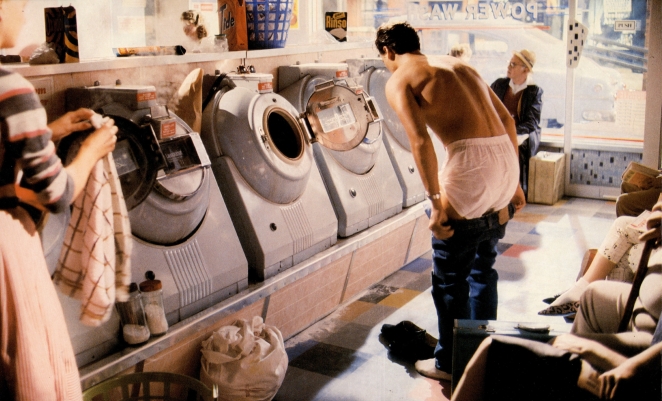
When Levi Strauss & Co. wanted to revive its shrinking European market in the mid‑1980s, agency BBH created a film that would define 501 jeans. On Boxing Day 1985 viewers watched heart‑throb Nick Kamen walk into a laundromat, strip down to his boxer shorts and toss his 501s into the washer.
Set to Marvin Gaye’s “I Heard It Through the Grapevine,” the ad caused sales to skyrocket, with Levi Strauss historian Tracey Panek noting that it may have boosted sales by as much as 800%. The ad captured a nostalgic 1950s mood (soldiers, bobby socks and cat‑eye glasses) and created what Campaign magazine later called “a piece of magic”.
Why it stuck
Sex appeal meets nostalgia. The combination of a handsome model and retro Americana struck a chord with 1980s youths.
Music choice. Marvin Gaye’s soulful track re‑entered the charts thanks to the ad.
Cultural phenomenon. The ad spawned parodies and a Comic Relief spoof featuring David Beckham and Dot Cotton.
Should’ve Gone to Specsavers (2003‑present)
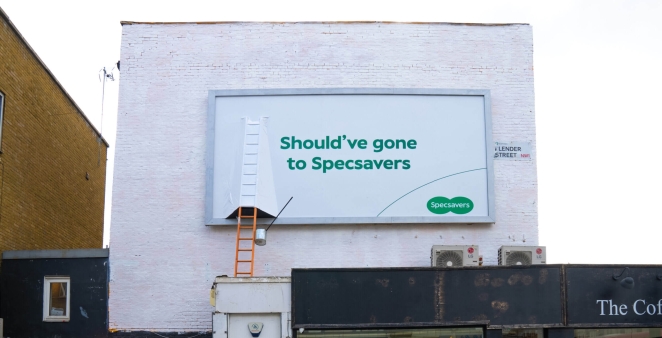
When UK optician chain Specsavers looked for a consistent identity in the early 2000s, creative director Graham Daldry proposed using humour. The resulting tagline “Should’ve gone to Specsavers” was first used in 2003 and quickly entered British vernacular. By the late 2000s Specsavers’ sight‑gag ads were so ubiquitous that the line became a punchline for any blunder.
The brand’s humorous TV spots helped it become the UK’s eighth most popular retail brand and contributed to £1.1 billion of incremental profit by 2014. Twenty years on, consumers still finish the joke themselves whenever they see a misread sign or wayward parking bollard.
Why it stuck
Catchphrase simplicity. Seven syllables convey the entire brand promise.
Cultural adoption. People use the line in everyday conversation, giving Specsavers free publicity.
Evolving humour. While the joke originated in TV ads, the brand adapted it to social media stunts and news‑hijacking.
Energizer – Energizer Bunny (1989‑)
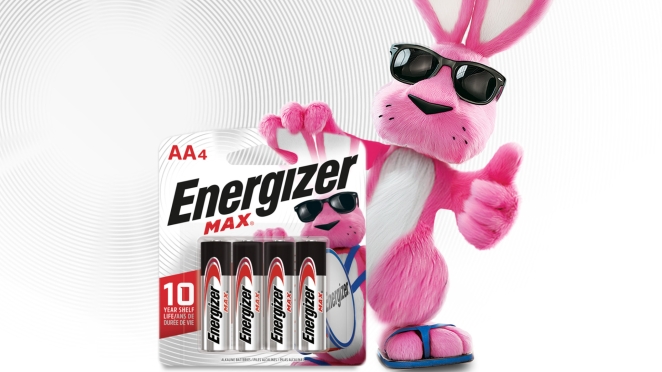
In 1989 TBWAChiatDay rolled out a furry pink rabbit wearing sunglasses and beating a bass drum. The Energizer Bunny began as a parody of Duracell’s own toy rabbit commercials and soon eclipsed the original. The mascot’s evolving tagline (“Keep going and going”) underscored the message that Energizer batteries last longer.
Ad Age named the Energizer Bunny one of the top brand icons of the century in 1999 and when the campaign was refreshed in 2016, the line changed to “Still going,” reinforcing the bunny’s longevity.
Why it stuck
Iconic mascot. The bunny’s sunglasses, sandals and drum created a memorable silhouette.
Self‑referential humour. Early spots interrupted faux adverts, making the bunny seem unstoppable.
Endurance narrative. Decades of ads prove the product claim through the character’s persistence.
Reebok – Belly (2000)

When two mega‑brands (Nike and Adidas) dominated athletic gear, Reebok needed something shocking. In 2000, TBWA London created an 8‑foot‑wide, 5‑foot‑tall monster belly that chases a man through the streets. The ad, nicknamed “Belly’s Gonna Get Ya”, ends with the message “Lose your beer belly” and the line “Reebok. Whatever your goal.”
The model‑makers at Asylum built the belly by hand and shot it with practical effects to ensure authenticity. The bizarre sight of an oozing stomach gave Reebok a talking point in a category saturated with aspirational athletics.
“When Nike and Adidas own the sector, what do you do? Create an 8ft horror belly and chase some poor bloke down the street of course. This beauty smashed through my TV screen. An insight that talked to me and a creative idea that made me want to get up in the morning and do my job even harder. The lift scene with burp, incredible.” Gary Fawcett, ECD at TBWAMCR
Why it stuck
Grotesque humour. The oversized belly both amused and disgusted, ensuring viewers couldn’t ignore it.
Clear insight. It tapped into the fear of a sedentary lifestyle and framed Reebok shoes as an antidote.
Craft. Practical effects rather than CGI gave the belly a visceral presence.
Coca‑Cola – Holidays Are Coming (1995‑)
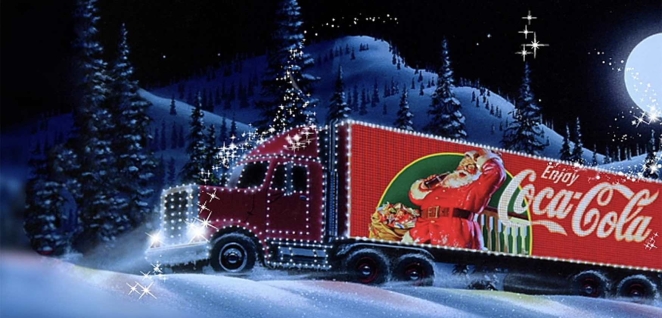
By the mid‑1990s Coca‑Cola had already cemented its association with Christmas through illustrations of Santa Claus dating back to the 1930s. In 1995 the company’s US agency W.B. Doner went one step further: a convoy of glowing red trucks snaked through snowy landscapes as a jingle repeated “Holidays are coming.”
The first commercial featured some 30,000 festive lights and has aired almost every year since. The trucks have been a presence for nearly three decades, with real versions touring the UK and #holidaysarecoming being tweeted 57 million times a year. Coca‑Cola reports that 44% of Brits see the advert as the official start of the festive season.
Why it stuck
Seasonal ritual. The trucks don’t just advertise a drink; they herald the holidays.
Sensory appeal. The combination of lights, music and motion triggers nostalgia.
Consistency. The same creative has been used with minor tweaks for almost thirty years.
Finding Your Next Creative Agency or Campaign Specialist on Creativepool
Arber Racaj
If these campaigns prove anything, it’s that creativity shapes culture. A single bold idea, executed with craft and conviction, can define an era, spark conversation, or even rewrite the rules of the industry. The right strategy, the right story, and the right creative team can transform a brief into a movement. Which is exactly where Creativepool comes in.
Whether you’re looking for a creative agency that knows how to capture lightning in a 30-second spot, a copywriter with an ear for unforgettable taglines, or a director capable of turning a simple concept into a global phenomenon, you’ll find them here. Creativepool is home to thousands of advertising professionals (planners, copywriters, directors, producers, motion artists and more) the people who make ideas worth remembering.
Hiring an Individual Through Creativepool
There are three simple ways to connect with the sharpest minds in advertising and campaign creation.
1. Search and Contact
Search Creativepool’s talent network to browse portfolios, case studies and showreels using tailored filters. Creativepool’s ranking tools spotlight the most celebrated creatives across categories, from global agencies to breakthrough independents. Once you’ve found your perfect collaborator, message them directly to get started. You can also skip directly to our top 25 section and peruse our top 25 creative professionals from each creative profession.
2. Post a Studiogig
Need campaign specialists fast? Post a Studiogig. It’s the quickest way to reach freelancers and consultants who know the world of advertising inside out—from concepting and scriptwriting to full-funnel content creation. Your brief is distributed to the most relevant talent in the network, and you’ll receive responses directly. It’s fast, efficient, and ideal for when you’re under pressure to deliver something unforgettable.
3. Post a Job
If you’re hiring for a permanent position (say, a senior creative director or campaign producer) posting a job listing is the way to go. Creativepool checks and approves all listings, alerts qualified members, and features your role on the main Jobs Board viewed by thousands of top-tier professionals daily. Applicants apply directly, giving you complete control over the process.
Hiring a Creative Agency Through Creativepool
Rob Pratt
If your brief calls for a creative agency (from insight and concept through to production and rollout) you’ll want an one that can do it all. Creativepool makes it easy to connect with agencies and studios specialising in integrated advertising and creative storytelling.
Find an Agency
Use Creativepool’s agency search tools to explore profiles, reels and case studies to search for an agency. Assess their sector experience, tone of voice and creative approach to ensure they align with your brand’s ambition. You can also find our top 10 creative sector agencies based on speciality.
Post a Brief
If you’re open to proposals, simply post a project brief outlining your campaign objectives, timelines and budget. Agencies that align with your needs will respond with tailored ideas and concepts.
Need Help?
If you’d like support finding your next creative partner, Creativepool’s dedicated team of ex-industry professionals can help. Whether you’re building an in-house creative team, planning your next big campaign, or seeking a production partner for an upcoming launch, we’ll connect you with the right people quickly and efficiently.
Chat with us live on where you post your job and gig or reach out on our Contact Us page.