

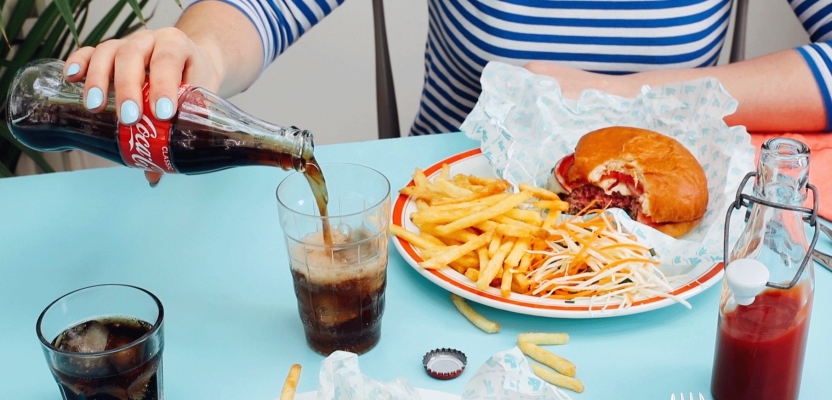

Adland has been dancing around the morality of fast-food advertising for decades now. Cigarette advertising was the first of the four horsemen of unhealthy living to fall back in the 1960s and many decry the fact that alcohol ads are still alive and kicking. Food is a decidedly stickier issue though. We might not all need to relax with a smoke or crack open a lager at the end of a busy day, but we all need to eat, and some of the biggest food brands in the world are those charged with effectively shovelling gruel.
It was, frankly, only a matter of time before the government pulled their fingers out and did something about it and today officially marks the first day of the UK government's new Less Healthy Food (LHF) ad ban restrictions, which prevent creators and marketers from running paid advertising that promotes LHF products online. It represents a seismic shift in how food and drink brands can communicate with audiences and, while it certainly poses certain challenges, it’s hard to argue against its validity.
Under the new rules, advertising that features identifiable less healthy products (those high in fat, salt or sugar and falling within defined “junk food” categories) is always banned from paid online channels and prohibited on television and on-demand services before 9pm as part of a broader effort to reduce children’s exposure to unhealthy food marketing.
This doesn’t mean brands can’t communicate at all, but it does mean product-first creative, influencer posts tied to paid placements, sponsored social ads or search ads showing specific LHF items are now off-limits. Instead, the industry is pivoting hard toward brand-only storytelling, lifestyle-focused content, and owned channels that build equity without depicting specific restricted products.
For many agencies and creators, that’s going to mean wildly rethinking briefs, developing new compliance workflows, and leaning into more subtle, strategic work that prioritises brand identity over product imagery if it’s likely to be actually seen by UK audiences.
Give the people what they want
Having advised several leading retail brands from Sainsbury’s to Pepsi on their social and creator marketing strategies, Thomas Walters, Chief Innovation Officer and co-founder of leading global social agency, Billion Dollar Boy, is an expert in food advertising. So, I reached out to him for further comment:-
“At first glance, the new Less Healthy Food (LHF) advertising restrictions feel like they’re clipping the industry’s creative wings - in particular because we lose the option of straightforward product-centric content. But this isn’t a decisive blow; it’s a moment of recalibration. Constraints often fuel invention, and 2026 will be about adapting, not retreating.
“We’re already in an era where audiences reject transactional sponsored content. Why do you think we can remember Cadbury’s Gorilla advert above almost any of their other adverts? Audiences don’t want to receive one big blunt brand message in one format, served in multiple cut-downs - they want value: entertainment, education and relevance. Remove the pack shot and you force brands to think bigger, building worlds, rituals and personalities instead of simply pushing products. That’s where growth now sits.
“We’ve seen this play out before. When alcohol brands were restricted, the smartest ones built emotional narratives and cultural moments - and their work became stronger. The same will happen here. The shift from product-first marketing to brand-world building will accelerate, and creativity will move into more interesting territory.
“Distinctive brand codes - colour, sound, characters and tone - will now carry more of the load, alongside richer storytelling and humour rooted in authentic, human ideas. Long-term, these regulations will raise the creative bar.
“If the last decade was about performance and product, the next will be about imagination, emotion and distinctiveness - and the brands that embrace that shift earliest will win."
So, where do creatives go from here?
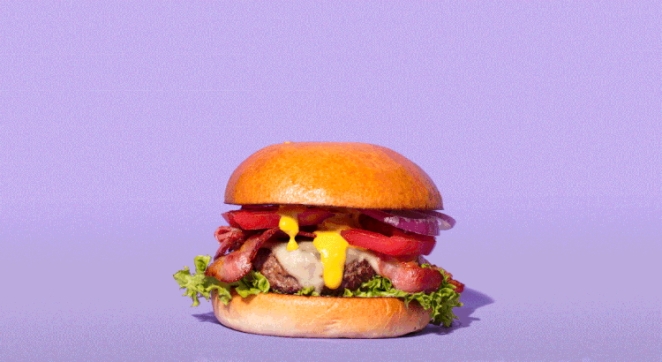
If the last decade was about flooding feeds with finger-licking close-ups, the coming one will be about something far more interesting: building meaning, not just appetite. The Less Healthy Food restrictions might feel like yet another layer of red tape, but they also hand creatives a rare opportunity in the form of a hard reset on a category that’s been creatively coasting on cheese pulls and slow-motion crumbs for far too long.
In 2026, the brands that win won’t be the ones that shout the loudest about their latest meal deal; they’ll be the ones that can make people feel something without ever showing the product. That means codifying distinctive brand worlds, investing in characters, rituals and audio-visual cues, and treating every brief as a chance to entertain, educate or genuinely add value rather than just shift units.
Yes, there will be more guardrails, more lawyers and more hoops to jump through but for an industry that claims to thrive on constraints, this is the moment to prove it. If “less healthy” food is here to stay, the least we can do is make the storytelling around it smarter, sharper and, dare we say it, a little more nutritious.