

AI has become a cornerstone of creative projects, whether we agree with it or not. Mastering the art of prompt writing, however, isn’t a skill that should be sneered at. Indeed, it can set you apart as a creator.
Whether you're a designer, marketer, or visual artist, the ability to craft precise and evocative prompts is key to getting the most out of AI tools. The process is akin to painting with words—each phrase carefully chosen to shape the outcome, and every detail meticulously arranged to guide the AI in producing the perfect image.
The Art of Writing Prompts
As Daniel Bickerton, Head of Design at TBWAMCR, eloquently puts it, “Writing prompts is definitely an artform. You have to really consider how the eye navigates an image and ensure you rationalise the order of what you see first, second, and so on. Getting this order correct is your number one game.”
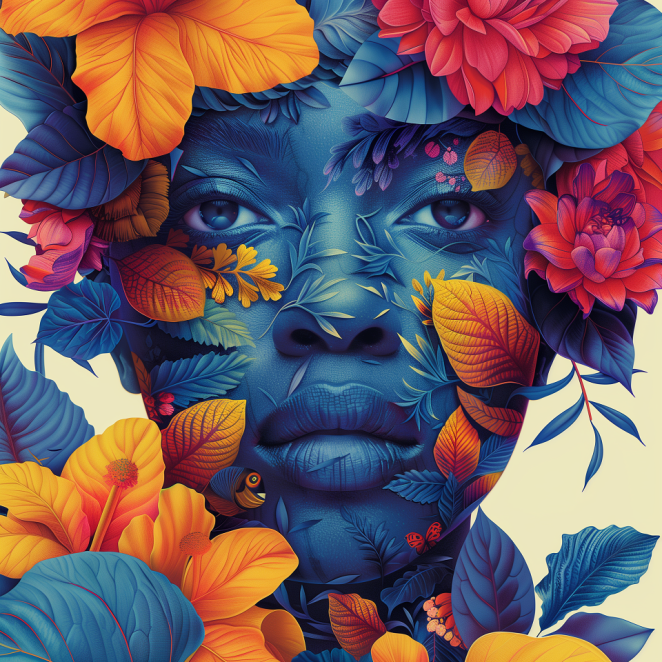
Indeed, the first step in crafting a perfect AI prompt is understanding the hierarchy of visual elements. Just as a photographer might frame a shot or a director blocks a scene, you must think about what the viewer's eye will be drawn to first. This primary focus should be clearly articulated in your prompt. Whether it’s the main subject of an image, the lighting, or a specific color scheme, the most important elements need to come first, followed by secondary and tertiary details that build on the initial vision.
Think Like a Wordsmith
Beyond just the order of elements, Bickerton emphasizes the importance of creativity and mood-setting in prompt writing: “After that, you then have to think of yourself as a wordsmith, almost like a fiction writer. You can set the mood of the scene and really go to town depicting the image you want to create.”
Here lies the beauty of prompt writing—it’s not just about stating what you want, but about evoking a mood or atmosphere. Are you aiming for a dark, moody composition with deep shadows and sharp contrasts? Or perhaps a soft, ethereal scene bathed in warm, golden light? Your choice of words can influence the AI’s interpretation in subtle but significant ways. Phrases like “whispering shadows” or “glowing warmth” can add layers of meaning, guiding the AI to produce images that resonate on an emotional level.
The Technicalities Matter
While creativity and artfulness are crucial, a deep understanding of the technical aspects of image creation can elevate your prompts to new heights. Bickerton touches on this, noting that “knowing the technicalities of image creation will help translate the veracity of the real image into your AI replica. Being able to put into the prompt which camera you want the image to be shot on, what lenses you want to give you depth of field (or not), and finally the cinematic lighting all helps to add detail.”

This technical knowledge is where the magic happens—where your vision meets the reality of AI capabilities. Specifying details like the type of camera, lens, and lighting can transform a generic image into one that feels meticulously crafted. For instance, requesting a “50mm lens with shallow depth of field” might yield a portrait with a beautifully blurred background, while “cinematic lighting with high contrast” could result in a dramatic, film noir-style image. These specifics not only guide the AI but also ensure that the final output aligns closely with your creative vision.
The Real-World Benefits
The precision and descriptive power required in prompt writing aren’t just valuable in the digital realm—they translate directly to traditional creative processes as well. Bickerton observes, “Writing prompts has certainly made me think harder about just how descriptive and precise you need to be with your language. This translates when it comes to briefing live action shoots, so there are clear benefits in the REAL world too.”
This insight is particularly relevant for creatives who bridge the gap between AI and traditional media. The skills honed in crafting AI prompts—attention to detail, clarity of vision, and precise communication—are directly applicable when briefing photographers, directors, or designers in any creative project. In this way, mastering prompt writing can enhance your overall creative process, making you a more effective communicator and a more insightful creator.
The Future of Prompt Writing
As we consider the future of AI in creative work, the role of prompt writing continues to evolve. Bickerton remains cautious, reflecting, “Whether it's enough to sustain a creative career, the jury is still out for me. I'd class it as a specialism, but not broad enough on its own to keep a true creative mind active.”
While prompt writing may not replace the need for broader creative thinking, it is certainly a valuable tool in the modern creative’s toolkit. It offers a unique intersection between art and technology, requiring both a poetic touch and a technical understanding. As AI continues to integrate into creative workflows, those who excel in this artform will find themselves well-equipped to navigate the changing landscape.
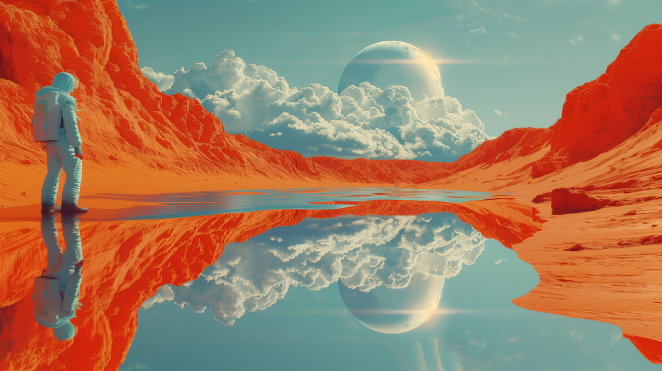
Ultimately, writing the perfect AI prompt is a blend of art, technical knowledge, and precise communication. It’s about guiding the AI to not just generate an image, but to create something that resonates with your creative vision. As you hone this skill, you’ll find that the benefits extend beyond the digital realm, enriching your overall approach to creativity. And who knows—maybe one day, prompt writing will be recognized as an artform in its own right, a specialized craft that sits alongside traditional forms of creative expression.