
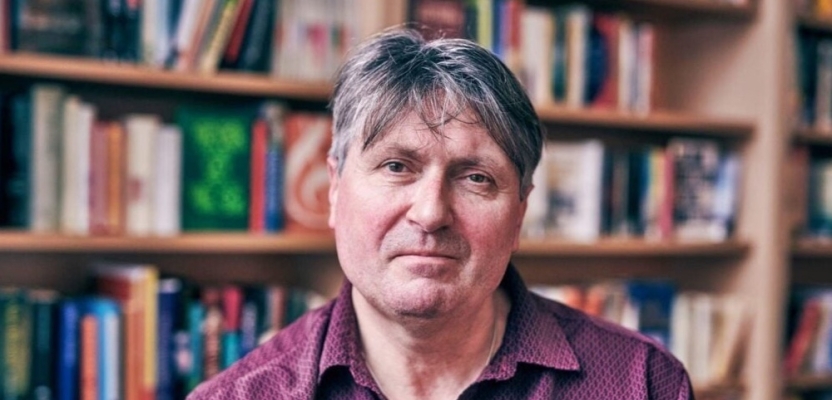

On the surface Marsden may be little more than a small, nondescript Yorkshire village, but thanks to Tenterhooks — an ambitious new arts project led by Poet Laureate Simon Armitage, his band LYR, and Marsden Mechanics — it's making a national impact.
Armitage was born in the rural Yorkshire village and, together with Marsden Mechanics, formed a plan to create the next phase in an ongoing endeavour to ensure that everybody should have the opportunity to access top-calibre cultural and artistic events and experiences, no matter their location or financial status.
The plan is to create a visionary project which invites the local community to take part in a series of creative storytelling events to uncover untold stories of Marsden and its rich heritage. Armitage will take these stories and develop a series of new poems. Then, alongside his bandmates Richard Walters and Patrick Pearson, will set poems to music.
At the heart of this movement is Jonny Kelly, Development Manager at Marsden Mechanics and creative producer of Tenterhooks, who’s working to transform local stories into songs, performances, and art for a new generation.
In this exclusive interview, Kelly shares how the project is putting community creativity front and centre, why rural areas deserve world-class culture, and how Tenterhooks aims to leave a lasting legacy.
What was the original spark behind Tenterhooks, and why did Marsden feel like the right place for this kind of cultural experiment?
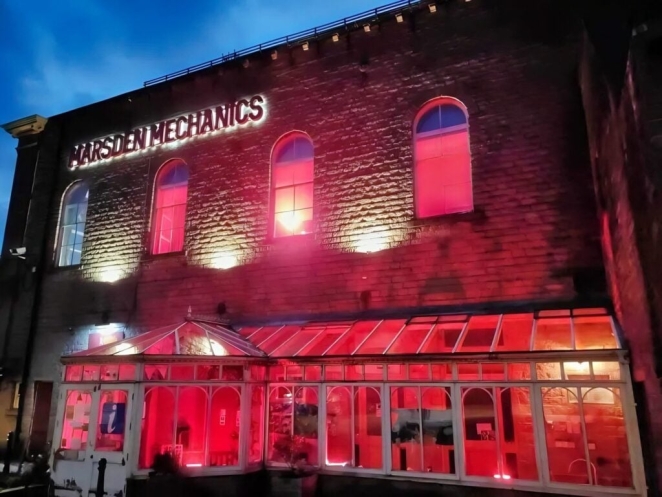
It started, like many good things, over a few cups of tea. Simon Armitage came to Marsden Mechanics with the idea of celebrating Marsden through poetry. The village means a lot to him. It’s woven into who he is. We bounced ideas around and Tenterhooks took shape: a project rooted in place, full of affection, and designed to let the village speak for itself.
How did the collaboration with Simon Armitage and LYR come about, and what did they bring to the project that felt essential?
Simon brought the spark. His love for Marsden is deep and genuine, and that shaped everything. With LYR, he added another layer — turning poetry into music in a way that felt modern but still grounded in the village’s identity. Their role wasn’t to perform at Marsden, but to reflect it. That spirit of amplifying local stories, not speaking over them, made their involvement feel essential.
What were some of the most surprising or moving stories that came out of the workshops with the Marsden community?
One that really stuck with me was the story of the village mangle. A man found it, restored it, and there it was, with a cuckoo engraved on it. The cuckoo’s Marsden’s symbol, so it felt beautifully poetic. There were stories about life in the mills too, full of grit and pride. But most powerful of all were the people who said the project made them feel “seen.” That mattered.
Once Simon had shaped those stories into poems and lyrics, how did the community respond to seeing their own histories reframed like that?
There was a kind of quiet awe. Not because it was lofty or overly poetic, but because it was true. People heard their own words, their memories, given space and rhythm. They recognised themselves in the work, and I think that gave it real power. It wasn’t about nostalgia. It was about honouring the present through the lens of the past. And it landed in a very heartfelt way.
Why was it important to hand those works back to the community for interpretation, instead of just presenting a finished product?
Because the stories belong to the people. Once the poems and lyrics were written, they weren’t ours to perform at Marsden. They were Marsden’s to explore, reshape and reinterpret. Whether through painting, singing, sculpting or simply listening, it was about giving the words back to the village and letting them live on in the community’s own language.
You’ve said that culture isn’t a luxury or a product. Can you unpack that a bit, especially in the context of a rural village like Marsden?
Marsden
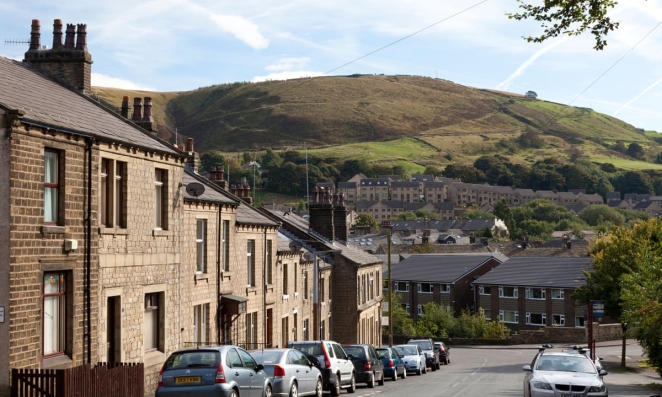
Culture’s not something fancy you order in. It’s what people already live and breathe. In a village like Marsden, it’s in the shared stories, the music you grew up with, the landscape. It’s not a luxury. It’s a mirror, and everyone deserves to see themselves reflected. Projects like Tenterhooks remind us that creativity isn’t an import. It’s a birthright.
In a landscape where London still dominates funding and attention, how do projects like Tenterhooks push back against that centralisation?
By proving the point quietly but clearly. You don’t need a postcode in the capital to make meaningful, high-quality art. When a small village like Marsden creates something as rich and resonant as Tenterhooks, it challenges the old idea that culture only happens in cities. It pushes back just by existing, by showing what’s possible when investment, trust and imagination are directed beyond the usual postcodes.
What does real decentralisation look like in practice when it comes to creative power, not just access to culture but ownership of it?
It looks like handing over the mic and not taking it back. It’s not about giving people a seat at the table. It’s about letting them build the table. In Marsden, that meant listening first, then building the project around local voices. The art didn’t come from outside. It came from within. That’s the difference between access and ownership, and it’s what makes a project genuinely sustainable.
How do you walk the line between inviting in a “big name” like the Poet Laureate while still ensuring local voices aren’t overshadowed?
You invite the right kind of “big name.” And Simon gets it. His role was about lifting local voices, not drowning them out. That attitude shaped the whole tone of the project. It’s a collaboration.
Do you think the arts world has a blind spot when it comes to the cultural depth of rural life? What’s often missed?
Absolutely. Rural life gets reduced to clichés — sheep, hills, maybe a folk song. What’s missed is the depth, the diversity, the texture of it all. There’s a cultural richness in places like Marsden that goes way beyond the pastoral. It’s industrial, political, musical, poetic. And more importantly, it’s evolving. Rural communities aren’t stuck in the past. They’re creating new stories every day. The arts world just needs to look properly.
What kinds of new work — music, sculpture, theatre — have emerged from the community so far that you’re particularly excited about?
We’ve seen such a range. Songs written by schoolchildren, sculptures made in response to poems, original paintings inspired by local memories. It’s all got this strong emotional core. None of it feels decorative. It’s expressive, personal, and proudly rooted in Marsden. The most exciting part is how varied it’s been. You give people space and they’ll surprise you every time.
What does success look like for Tenterhooks after Cuckoo Day? How do you keep momentum going beyond a one-day celebration?
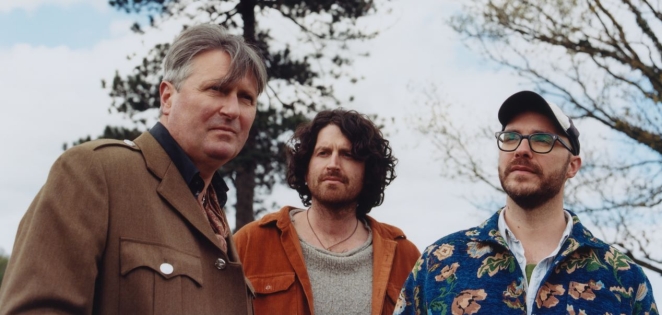
LYR
The festival is a moment, but the words, the poems, the artworks — those stay. They live on in the village. They’re Marsden’s now. Success is in the legacy. If Tenterhooks sparked pride, sparked conversations, sparked someone picking up a pen or paintbrush for the first time, that’s the real win. Momentum lives in the people, not the event.
Do you think this project has shifted how Marsden sees itself, or how outsiders might now see Marsden?
In small but important ways. People have said they feel more visible, prouder. That matters. When a village gets to celebrate itself on its own terms, it shifts perception, both internally and externally. Marsden has always had a strong identity, but Tenterhooks helped express it in a new way. It gave people language for something they already felt.
Has this changed how young people in the village think about creativity and their own stories?
I really hope so. We’ve seen young people writing, performing, making, and feeling like their ideas are worth something. That’s everything. If Tenterhooks gave even one teenager in Marsden the confidence to say, “I’ve got a story to tell,” then it’s done its job. It’s not about turning everyone into an artist. It’s about reminding them that their perspective matters.
If another small town or rural community wanted to run something like this, where should they start?
Start with listening. Don’t come in with a finished idea. Come in with questions. What matters to people here? What stories do they want to tell? Build from that. And bring people in early. Make the process as collaborative as the outcome. It’s slower, yes, but infinitely more rewarding. Culture grows best when it’s grown locally, so plant the seeds and trust the soil.