

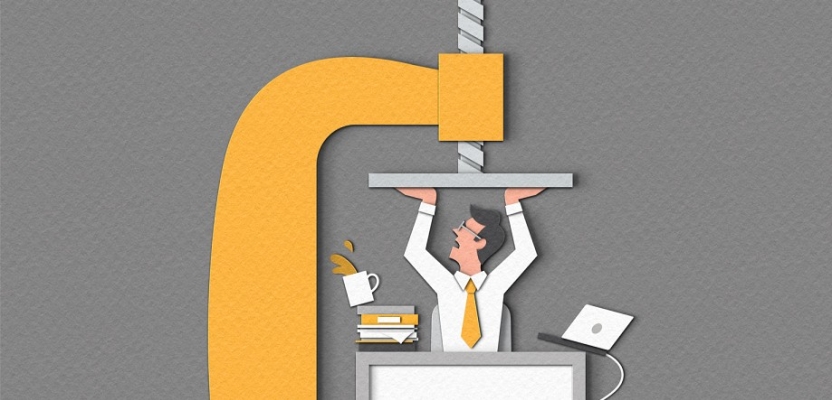

Behind Adland’s glamorous facade, a hidden crisis is brewing—one that threatens the well-being of managers and, consequently, the entire industry. In the words of Sue Todd from the industry charity Nabs, the managers navigating the advertising landscape are under enormous pressure.
They are tasked with juggling the emotional needs of their teams, motivating diverse talent, handling complex workloads, and maintaining their own mental wellness—all without adequate training, support, or guidance. It is a precarious situation that urgently demands attention and change.
The Weight of Unseen Expectation
Managers across the advertising industry are experiencing a silent struggle, one that is largely unspoken but palpable in its effects. As organizations continue to demand more from their people, managers find themselves on the frontline—balancing their own heavy workloads while also shouldering the responsibility of supporting their teams. They are expected to lead, inspire, and provide emotional support to their direct reports, many of whom are facing their own set of challenges in an increasingly complex world. And yet, these managers are often doing so without the necessary tools or guidance.

The pressures they face are not hypothetical; they are very real and personal. These managers are in every organization. As you read this, they are struggling to get through another challenging day, feeling stressed, overwhelmed, and unsupported. They are being asked to do the impossible—to be effective leaders, mentors, and caretakers—while receiving no formal training to manage these roles. In many cases, they are left to navigate these responsibilities on their own, leading to a mounting crisis that has far-reaching consequences for their mental health and the overall health of the industry.
A Wellness Time Bomb
The scale of the problem becomes clearer when we consider the significant influence that managers have over their teams’ mental wellness. According to research from the UKG Workforce Institute, managers can have as much impact on an employee’s mental health as their spouse. This is a staggering responsibility, especially when one considers that the average manager in the advertising industry has not been trained to handle this aspect of their role. In fact, Nabs’ 2023 community consultation, All Ears, revealed that only 19% of managers in the industry received any form of training before being promoted into their roles.
This lack of preparedness has profound consequences. Of the respondents to the All Ears consultation, 46% reported that their mental wellness suffered while their manager adjusted to their new responsibilities. Furthermore, 60% of employees said their manager was promoted without any training to cope with the additional demands of leadership. This is not just a problem for the managers themselves but also for the people they manage, who are left anxious, unsupported, and adrift.
As a result, many employees are leaving their organizations or even the industry itself, echoing the well-known adage that "people leave managers, not jobs." The failure to properly equip managers with the tools they need to support their teams is contributing to a broader talent retention issue. The impact of poor management cascades throughout the organization, creating a toxic environment where employees feel disconnected and undervalued.
The Rise of ‘Conscious Unbossing’
The pressures facing managers have given rise to a troubling new trend, particularly among younger employees: the rejection of management roles altogether. Dubbed "conscious unbossing," this phenomenon is particularly prevalent among Gen Z workers, who are increasingly opting out of the traditional career path that leads to management positions. They have seen firsthand the stresses that come with these roles and are choosing not to pursue them, believing that the additional responsibilities and emotional burdens are not worth the relatively modest financial rewards.

This trend presents a new challenge for the advertising industry, which already struggles to attract and retain diverse talent. If we do not address the root causes of this management crisis, we risk losing an entire generation of potential leaders. Without a pipeline of capable and willing managers, the future of the industry could be in jeopardy.
Why Training and Support Must Be Prioritized
The current situation is unsustainable. Managers in the advertising industry are being asked to do too much with too little support, and the cracks are beginning to show. It is time for organizations to take a long, hard look at how they train and support their managers. The frantic pace of the industry, coupled with the relentless demands of clients and the complex hybrid working environment, has created a perfect storm where training and development are often deprioritized in favor of immediate business needs.
However, these pressures cannot continue to serve as an excuse. Promoting individuals into management positions without providing them with the skills and support they need to succeed is both irresponsible and harmful. Managers are left to sink or swim, and all too often, they are sinking. The human cost of this approach is undeniable. Every year, more and more people across the advertising industry turn to organizations like Nabs for help, seeking emotional support as they struggle to cope with the mounting pressures of their roles. In 2023 alone, Nabs received over 4,500 calls from individuals in need of assistance.
The ongoing turbulence of life since the pandemic has only exacerbated these challenges. Managers are not only dealing with their own personal struggles but are also expected to support their teams through incredibly difficult times. The emotional toll of this responsibility is immense, and it is becoming increasingly clear that managers cannot do it alone. They need help, and they need it now.
What Can Be Done?
The solution to this crisis is twofold: providing ongoing training and creating a support system for managers. Organizations must carve out protected time for training, ensuring that managers receive the skills they need to navigate the complexities of their roles. This training should not be a one-off event but an ongoing process that evolves with the changing nature of work. Crucially, it should also address the emotional and psychological demands of leadership, equipping managers with the tools to foster mentally healthy workplaces.
One of the most effective ways to achieve this is by partnering with industry experts like Nabs. Their newly launched "Managers’ Mindsets" program, developed in response to the findings from the All Ears consultation, is a game-changer for the industry. The program focuses on teaching essential skills such as coaching, facilitating discussions about mental wellness, and creating psychologically safe spaces where employees can thrive. These are exactly the kinds of skills that managers in the advertising industry need but are so often missing.
Transform Stress into Safety
The advertising industry is at a tipping point. The pressures facing managers are unsustainable, and the impact on their well-being, as well as the well-being of their teams, is devastating. If we are to retain talent, foster creativity, and ensure the future success of the industry, we must act now. Training and supporting our managers is not a luxury—it is a necessity. By giving managers the tools they need to thrive, we can transform the current environment of stress and overwhelm into one of confidence and safety.
Sue Todd and the team at Nabs have made it clear: the time for change is now. The pressure on managers in the advertising industry has reached a critical level, and without immediate action, the consequences could be catastrophic. But there is hope. By prioritizing the training and support of managers, we can ensure that they—and their teams—are equipped to face the challenges of the future with resilience and confidence. Let’s team up to make this vision a reality. Our managers, our teams, and the entire industry are counting on it.