



If you thought Gen Z were the ultimate digital natives, brace yourself for Gen Alpha. These are the kids born from around 2010 onward, and now we’ve hit 2026, the eldest Alphas are already in their late-teens and ready to enter the workforce.
This is a generation that has never known a world without smartphones and touchscreens. For Gen Alpha, technology isn’t a novelty or mere tool; it’s woven into the fabric of daily life. Now, as this cohort comes of age alongside the unprecedented surge of AI, the creative industries are asking how will Gen Alpha change the game?
These young wunderkinds will be hitting the creative workforce like a tidal wave in the coming years and our industry is going to have to change to accommodate them whether we like it or not. But change isn’t necessarily a bad thing.
Gen Alpha vs Gen Z: A New Breed of Digital Natives
R/GA
First, let’s bust a myth: Gen Alpha isn’t just “Gen Z 2.0.” Sure, both generations are savvy with tech, but Alphas are the first fully AI-native generation. Where Gen Z grew up with the internet and social media, Gen Alpha is growing up with artificial intelligence and smart algorithms from day one.
While Gen Z were digital natives, Gen Alpha are digital architects. Gen Z curated their lives on social media, while Gen Alpha is busy building, often with AI as their creative sidekick. Nearly half of Gen Alpha teens already use AI tools for search and schoolwork, and over a third are using AI to generate images, videos or even build apps. In other words, this generation doesn’t see AI as some fancy gadget; it’s a natural extension of how they think and create.
Gen Alpha also diverges from Gen Z in terms of their outlook and priorities. Surveys indicate they’re pragmatic and independent, even more so than their predecessors. Many Gen Alpha teenagers already have part-time gigs or hustle in the gig economy and a majority have significant personal savings before age 16; far more than Gen Z did at that age.
They’ve grown up in a time of constant change and instant information, making them quick adapters but also critical thinkers. In short, Gen Alpha isn’t a simple sequel to Gen Z. Brands or employers expecting a copy-paste of Gen Z will be caught flat-footed by the fresh mindset Gen Alpha brings.
Gen Alpha Characteristics: Digital, Diverse and Determined
PA Consulting
What traits define Generation Alpha? Let’s break down a few key Gen Alpha characteristics that set them apart:
Born Digital (and Algorithmically Native)
From the cradle, Gen Alpha has been immersed in interactive screens and intelligent tech. They had YouTube before nursery rhymes and voice assistants before they could form full sentences. It’s no surprise they’re exceptionally comfortable with technology. Many can swipe an iPhone or command an Alexa before learning to tie their shoelaces. By their teens, they’re using AI chatbots to help with homework and creative projects.
Technology for them isn’t magic; it’s mundane; the default way to search, learn, play and socialise. Being algorithmically native means they intuitively understand the tailored feeds and recommendations that even millennials still find a bit eerie.
Collaborative & Creative
Gen Alpha’s creativity is collaborative, experimental and tech-mediated. Growing up on platforms like Minecraft and Roblox, they don’t just consume content – they build worlds with friends. They remix TikTok dances, co-create memes, and mod games for fun. This generation was making YouTube videos or designing virtual outfits in elementary school.
As a result, they have a producer’s mindset alongside a consumer’s, expecting to participate in creating the culture they enjoy. Their play and art often blend the physical and digital. (Think of a group of 12-year-olds designing a game level together over a Zoom call – that’s a totally normal afternoon for some Gen Alphas.)
Culturally Diverse & Globally Minded
Demographically, Gen Alpha is the most diverse generation yet, and it shows in their tastes. Many are children of millennials, a cohort itself quite diverse, and they’re coming of age in an era of global connectivity. Even in less-diverse societies, Gen Alpha kids are exposed online to friends, content creators and stories from all over the world. Their idols might be a K-pop band, a Premier League footballer, a Minecraft YouTuber in another country – or all the above. Trends like K-pop, anime, Bollywood, Latin pop culture and global gaming phenomena are simply part of their vernacular.
In short, this generation has a global outlook by default. They celebrate diverse holidays and causes and are generally more accepting of different cultures and identities, having encountered so many through screens. For creative industries, this means Gen Alpha expects representation and inclusivity. Old stereotypes in media or advertising won’t cut it – they’ve been bonding with peers worldwide in Fortnite or on TikTok, so they notice if your cast of characters all look and sound the same.
Independent & “Constructively” Rebellious
Every young generation has its rebellion, and Gen Alpha’s is all about positive change. Don’t expect banner-waving protests from elementary schoolers (at least not yet); instead, expect everyday micro-rebellions that push for good. Gen Alpha kids commit mini acts of rebellion (an estimated nearly 5 million a week) like scolding their parents for not recycling, calling out insensitive comments, or telling mum and dad to get off their phones. These youngsters are growing up vocal about issues like climate change, fairness and mental health. They’ve seen older Gen Z siblings walk out for climate strikes and will likely carry that torch in their own style.
The difference is Gen Alpha’s rebellious streak often comes with a constructive twist: they question rules and ask “why” not to flout authority for its own sake but to make things better. This independent mindset also extends to personal life – surveys show Gen Alpha teens are less interested in underage drinking or other traditional “teen rebellion” vices than previous generations. They’re finding community and identity online rather than at illicit house parties, and their idea of risk might be starting a side-business or confronting a cyberbully instead of sneaking beers.
Exceptionally Brand-Savvy
Here’s a trait that makes both advertisers and parents sit up: Gen Alpha kids are hyper aware of brands. Growing up awash in content and ads, they’ve developed surprisingly shrewd taste. Many know exactly which brands make the toys, games or clothes they love – and aren’t shy about telling parents what to buy. In one study, millennial parents reported their Gen Alpha kids collectively asked for over 250 different brands by name – a level of brand recall that can put grown marketers to shame.
These kids can smell phony advertising a mile away and will just as quickly latch onto something authentically cool. Any creative professional dealing with product design, branding or content should realise: this generation has high brand literacy at a young age. They want brands that speak their language (or better, let them be part of the conversation). The old top-down advertising formula is already lost on them.
From YouTube to Roblox: Gen Alpha Content Habits
Amplify
When it comes to Gen Alpha content consumption, one thing is clear – passive media is so last generation. Gen Alpha has grown up with limitless on-demand content, interactive platforms, and niche communities for every interest. Their media diet is rich and radically different from the broadcast-and-print era:
YouTube is King (and Family-Friendly)
In households with Gen Alpha kids, YouTube reigns as the go-to platform. A recent analysis found 94% of Gen Alpha (tweens and young teens) use YouTube regularly, making it the only platform that both kids and their parents highly engage with together. For Gen Alpha, YouTube isn’t just a video site – it’s a mix of TV, search engine, and social network. They’ll watch everything from educational science explainer videos to let’s-play gaming streams to family vlogs. Crucially, parents feel relatively comfortable with YouTube (having used it themselves for years), so it’s often a shared media experience – the modern equivalent of family TV time.
Co-viewing is common too, with kids and parents often bonding over cooking hacks on YouTube or laughing at old Mr. Bean clips. This dynamic means nostalgic content is making a comeback – parents introduce kids to the shows and music they loved, and Gen Alpha often finds it novel and fun. For creatives, this points to an opportunity: content that bridges generations, like reboots of classic franchises or cross-generational storytelling, can really click with Gen Alpha and their millennial parents.
Gaming is the New Prime-Time
For Gen Alpha, gaming is a cultural cornerstone. More than 95% of 15–16-year-old Alphas play video games daily, and nearly half spend 3+ hours a day gaming. Platforms like Roblox, Minecraft, and Fortnite are essentially the new social networks. This is where they hang out with friends (and make new ones), exercise creativity, and even encounter brands. Many Alphas would rather play in an interactive world than passively watch a TV show. In fact, gaming often bleeds into other media: popular game IPs become movies, YouTube content, toys and more – and Gen Alpha avidly follows these crossovers.
The takeaway? To engage Gen Alpha, meet them in the game. Traditional ads won’t hold their attention as much as, say, a limited-edition Roblox event or a Fortnite concert. They respond to interactive, immersive experiences where they are part of the story. Creative teams are now crafting campaigns that feel native inside games – participatory rather than disruptive. If you’re envisioning a future ad campaign, ask yourself: would it add to a Minecraft or Roblox experience? If not, Gen Alpha might tune it out.
Short, Snackable, and On-Demand
This generation was raised on the swipe of a finger and expects content when they want, where they want. Waiting a week for a new episode? Nope – binge releases or on-demand libraries are the norm in their world. They also toggle seamlessly between long-form and short-form: a Gen Alpha teen might devour a 10-second viral TikTok and a 2-hour YouTube deep-dive in the same afternoon.
The key is, it has to hook them early. Growing up in the TikTok era means their filters for boring content are extremely sharp. It’s not that they have “short attention spans” (they can focus intensely on things they care about), but they won’t give you a second chance to capture their interest. As creatives, we must deliver immediate value – a striking visual, a compelling story, an interactive element – right out of the gate. The first few seconds are everything.
Community-Driven Discovery
Interestingly, even with hyper-personalised algorithms everywhere, Gen Alpha leans into community and shared experiences. Trends spread among them not just because an algorithm said so, but because of peer sharing and participatory communities. They join fandoms, follow niche micro-influencers, and connect on Discord servers about their passions. Studies note a shift “from hyper-personalisation back toward community-driven discovery” for this young generation. In practice, that means they often find content through friends or communities (e.g. a group of kids collectively obsesses over a new game or a YouTuber, and they share and talk about it constantly).
Also, micro-influencers (content creators with smaller, tight-knit followings) often sway Gen Alpha more than mega-celebrities. Kids care more about content relevance than creator fame – 76% of Gen Alpha parents say their child is influenced by how relevant or interesting a video is, not by how famous the YouTuber is. In fact, in one study, 70% of parents observed their kids don’t have strong loyalty to specific influencers; they “just watch whatever interests them”. For media and advertising, this implies that authenticity and niche appeal beat star power when targeting Gen Alpha. The best way to reach them might be through a trusted kid gamer on Twitch with 50k followers, rather than a Hollywood A-lister they barely know.
Interactive, On-Demand and Deeply Social
In Gen Alpha’s content world, they are active participants, whether it’s double screening a DIY video while trying it themselves or role-playing with friends in a game universe. Legacy media like broadcast TV or print magazines hold little sway (to them, those are relics their grandparents talk about). Creative industries must adapt to this reality and shift away from broadcasting at an audience to building experiences with an audience.
Generation Alpha and Technology: Born to Innovate

Nalla Design
Every generation since the Industrial Revolution has seen new technologies, but Gen Alpha is uniquely defined by tech immersion. Generation Alpha’s relationship with technology will profoundly shape creative work.
AI as a Second Language
While older generations marvel (or tremble) at advances in artificial intelligence, Gen Alpha takes it in stride. By 2026, many Alphas are already using AI-powered tools in everyday life. Need an answer for homework? Ask the AI chatbot. Want to prototype a comic book character? Use an image generator. In fact, about 46% of Gen Alpha teens are using AI as a search engine and research tool, and around 39% use AI for creative endeavors like making art or coding apps. They are literally growing up alongside AI and see it less as a threat and more as a collaborator or even playmate.
Gen Alpha doesn’t view AI as a novelty but as a natural part of how they learn and create. This comfort with AI means the future creative workforce (and audience) will expect AI augmentation in creative processes. For creative industries, that’s both challenge and opportunity: products, media and jobs will need to integrate AI in user-friendly ways. (Imagine a design agency in 2030 where a Gen Alpha junior effortlessly uses AI to generate 50 logo variations in seconds. That’s the kind of workflow shift we can anticipate.)
Tech Everywhere, Not Just on Screens
Gen Alpha is the smart gadget generation. Many had smart toys or speakers as toddlers, wearables or VR sets as they get older, and perhaps even coding classes in school. They expect physical and digital worlds to blend. Augmented reality filters, interactive toys that connect to apps, voice-controlled everything – these aren’t futuristic gimmicks to them, but standard fare.
As technology advances (think AR glasses, smarter IoT homes), Gen Alpha will be the earliest adopters and fiercest critics. If a new tech is clunky or boring, they’ll drop it fast; but if it’s intuitive and fun, they’ll incorporate it faster than any demographic. This pushes creatives to design seamlessly integrated experiences. Advertising, for instance, might move from a flat screen to an immersive AR game in your living room to reach these kids. Likewise, in education (which is part of their daily life), they’re already interfacing with tablets instead of textbooks and learning with interactive apps, so any creative content that’s educational or informative must meet those interactive standards.
Savvy and Skeptical Users
Growing up in a hyper-digital environment also means Gen Alpha kids are surprisingly savvy about online pitfalls. They know about privacy issues, they navigate content moderation by inventing codewords (saying “unalive” instead of "die" to avoid filters, for example), and they’re quite aware of things like clickbait or scams (often getting schooled by parents and schools about digital literacy).
This matters because they have built-in BS detectors for technology. If an app or platform is exploitative or an ad is fake-news-y, they’ll likely sense it. Creative professionals will have to uphold genuine value and transparency in tech usage. Gen Alpha’s trust is hard to earn – you can’t just slap a tech gimmick onto a product; it actually has to work and respect the user. They’ve grown up hearing phrases like “don’t believe everything on the internet” and many have seen YouTube apology videos of influencers who misled them. So, the bar is high for credibility.
One and the Same
Overall, technology is not a separate domain for Gen Alpha – it’s inseparable from their identity and culture. They will push every creative field to innovate faster. The upside is that they’re also highly adaptable and eager to try new tech. The creative industries that harness Gen Alpha’s tech fluency (and perhaps even involve them in development and design) will ride the wave of innovation rather than be drowned by it.
How Gen Alpha Will Change Media and Culture
Movers+Shakers
Gen Alpha’s emergence is already sending ripple effects through media and culture. Even as kids and teens, their behaviors and preferences are reshaping norms:
The Decline of Legacy Media
By 2026, many Gen Alpha kids barely distinguish between “TV” and “streaming,” and they certainly don’t arrange their schedules around network broadcast times. Their cultural touchstones are more likely to be viral YouTube videos or global video game events than a prime-time TV show or a morning newspaper. This doesn’t mean they consume less content – if anything, they consume more – but it’s fragmented across platforms and often on their own terms.
Creative industries that rely on old distribution models are being forced to pivot. We’re seeing movie studios experiment with interactive films and choose-your-own-adventure storytelling, publishers turning books into transmedia experiences, and broadcasters embracing social media tie-ins to stay relevant. Gen Alpha is effectively pushing every medium to become more interactive, on-demand, and audience-centric.
User-Generated Content Boom
The creative bar for professional content is higher now, because Gen Alpha is used to a constant firehose of amateur content that is often highly entertaining. They follow kid influencers who unbox toys, tween comedians on TikTok, and talented young gamers on Twitch. Some Gen Alpha influencers themselves have massive followings – for instance, 13-year-old YouTuber Ryan Kaji of “Ryan’s World” has tens of millions of subscribers, as does 10-year-old Nastya, one of the world’s top YouTubers.
This peer-to-peer content can sometimes outshine polished corporate creative. It’s more relatable to Gen Alpha and often more spontaneous and authentic. As a result, mainstream media and brands are learning to collaborate with these young creators or emulate their style. Expect more campaigns that invite Gen Alpha audiences to create content (contests, duets, challenges) and more youth co-creators getting a seat at the table. In the long run, Gen Alpha’s comfort with creating might blur the line between “audience” and “artist” in the creative industries.
Cultural Influence in the Household
Even before they have direct buying power, Gen Alpha is shaping family culture. Millennial parents (currently in their late 20s to 40s) are listening when their kids talk about trends or ask for products. Studies show that 77% of millennial parents say their Gen Alpha children influence purchase decisions more than the parents did at that age. Gen Alpha’s preferences in food, entertainment, travel, and technology often steer family choices. They might convince the whole family to adopt a vegetarian day because a YouTuber said it’s cool or push parents toward a vacation spot they saw on a friend’s Instagram. They also help their Gen X or Millennial parents stay current.
As they grow, this influence will only amplify. Culturally, this means trends can explode from the ground up: a kid’s fascination can ripple to mainstream via family and community networks. Creative professionals should pay attention not just to teenage trends but even those brewing in the grade-school cafeteria or on kids’ Discord servers – the next big cultural wave might start with seven-year-olds.
A More Inclusive and Cause-Driven Culture
Growing up in a diverse, globally connected environment has made Gen Alpha quite socially conscious. They value inclusion – whether that’s seeing different races, body types, and abilities represented in a movie, or everyone being welcome in an online community. They also care about causes: climate change, equality, mental health awareness. We already see pre-teens engaging in social campaigns (with parental guidance) and using their online influence for charity streams or awareness posts.
This “constructive rebellion” means Gen Alpha could drive culture to be more ethically minded. As they become the sought-after demographic, expect media and brands to reflect those values – more purpose-driven campaigns, more diverse storytelling, and yes, likely more callouts when companies misstep. In essence, Gen Alpha is poised to raise the ethical stakes in culture: they have high expectations that the media they consume and the brands they buy from will do the right thing. Creatives have an opportunity here to connect by genuinely aligning with the causes Gen Alpha cares about (but woe to those who attempt inauthentic “woke-washing” because these kids will see right through it).
How Should Brands Market to Gen Alpha?

Wunderman Thompson South Africa
Marketers love to obsess over the next generation and Gen Alpha has them scrambling – rightly so. By one estimate, Gen Alpha already wields about $28 billion in direct spending power (allowance and their own small earnings) and far more influence on household spending. So how can brands win with this cohort? Marketing to Gen Alpha requires a new playbook.
Be Authentic and Transparent
Gen Alpha’s BS radar is finely tuned. They’ve grown up bombarded by ads and sponsored content, and they value honesty. Authenticity isn’t just a buzzword here – it’s the price of entry. Brands should communicate openly and align with real values. Attempts to pander or “talk like the kids” can backfire horribly (nothing triggers an eye-roll faster than a corporation misusing slang like “rizz” or “no cap”).
Instead, brands can let Gen Alpha voices speak for themselves – e.g. user-generated content, testimonials from real kids, or campaigns co-created with young influencers who genuinely love the product. Authentic also means acknowledging mistakes; brands that own up to issues and show accountability earn respect.
Speak Their Language (but Don’t Try Too Hard)
While you shouldn’t force youth slang into your copy (they will be able to tell, trust me), you should understand the communication styles Gen Alpha uses. That means visual, interactive, and short-form content. This generation speaks in memes, GIFs, and emojis as much as in text. They appreciate humor and wit (even fairly sophisticated, ironic humor – remember, internet culture ages kids up quickly).
Brands can succeed by tapping into meme culture or trending formats, but it must feel natural. A good approach is employing young creatives who are Gen Z or Gen Alpha to shape campaigns – they’ll know the line between being relatable and being cringe. Also, consider inclusivity in language; Gen Alpha is comfortable with gender-neutral terms and more sensitive to derogatory language, so marketing should reflect that evolved social lexicon.
Embrace Community and Co-Creation
Traditional one-way advertising doesn’t cut it. To reach Gen Alpha, act less like an advertiser and more like a participant in their world. That might mean hosting challenges on TikTok, creating a Roblox game experience, or starting a hashtag that kids can riff on with their own creations. Gamification is a huge win – incorporate elements of play and competition. For example, instead of a static ad, a brand might launch a fun filter or AR game on Snapchat that kids share with friends.
Co-creation is even better: invite Gen Alpha to contribute ideas or content. Lego, for instance, has effectively used contests and games to let kids shape products and marketing (one report notes Lego’s success in gamifying marketing to Gen Alpha). When kids feel they had a hand in something, their engagement and loyalty skyrocket. Just ensure any such campaigns are moderated and safe, as parents (and regulators) are watching closely.
Leverage Micro-Influencers and Peer Power
As noted, micro-influencers often carry more weight with Gen Alpha than mega-celebrities. A YouTuber or TikToker with a modest but devoted following in a specific niche (say, a 14-year-old slime-making expert, or a gamer who’s big in Minecraft circles) can spark interest and trust. Brands should identify these authentic voices and collaborate in a way that lets the influencer maintain their genuine style. Also, don’t underestimate offline peer influence: schoolyard buzz.
For certain products (toys, games, fashion), getting a trend started in one school or community can cascade. This might mean more grassroots marketing – seeding a new product with a youth group, or sponsoring an event at a summer camp – the kind of thing that gets kids talking to each other in person. Essentially, word-of-mouth (digital or physical) drives Gen Alpha interest more than glossy primetime ads.
Prioritise Safety and Values (Win Over the Parents Too)
Any brand interacting with Gen Alpha must remember most of them are minors. This means two things: play by the rules (privacy laws, advertising standards for kids, etc.) and win parental trust. Millennial parents are more tech-friendly and open-minded than previous generations, but they still act as gatekeepers, especially for younger Alphas. If parents sense a brand is unsafe, overly addictive, or against their values, they will hit the off-switch.
On the flip side, if a brand provides educational value, encourages creativity, or offers family-friendly experiences, parents become allies. Notably, family co-viewing is huge – e.g. a brand’s YouTube content might be designed for kids and enjoyable for parents, or an event could welcome both. Highlighting positive messages (like environmental responsibility, learning, or kindness) can resonate with Gen Alpha’s own constructive ethos and please parents. It’s a win-win that builds a reputation for integrity.
Participation, Personalisation and Principles
In essence, marketing to Gen Alpha is about brands meeting them where they are (gaming, social platforms, creative communities), involving them in the story, and standing for something genuine. The payoff for getting it right? You gain the loyalty of a generation that’s poised to become an economic powerhouse in the coming decades. As one media executive put it, even if Gen Alpha isn’t your core market today, pay attention now – they’re early indicators of bigger shifts in consumer behavior coming for everyone.
The Future Creative Workplace: Preparing for Gen Alpha
Just Global
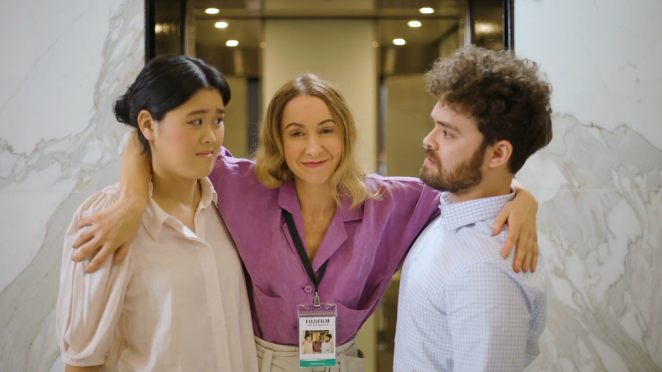
It might feel far off, but the oldest Gen Alpha will enter the workforce in the early 2030s (some are already interning or starting entrepreneurial ventures in their late teens). By 2033, Gen Alpha will make up an estimated 14% of the workforce and those numbers will snowball each year after. Creative industries need to start thinking about Gen Alpha as colleagues and creators, not just consumers. How will they change the workplace?
For starters, this generation will likely bring new skills and expectations. Having grown up using design apps, video editing tools, and AI, they’ll arrive on day one of a creative job with a digital fluency that could intimidate older coworkers. (Imagine a 22-year-old junior art director casually whipping up campaign mockups with an AI tool that an older art director is still hesitant to try.) Companies will need to adapt by embracing these new tools and perhaps learning from the Gen Alpha hires who wield them. Training might become a two-way street: yes, mentors will still teach industry fundamentals, but young employees might teach teams about the latest tech or cultural trend.
Gen Alpha is also predicted to work in jobs that don’t exist yet. As a professor studying this cohort noted, many Alphas will live into the 22nd century and could end up in fields we can barely imagine today – “a decade ago we couldn’t imagine working in AI or AR… [soon] cyber or crypto [specialists]”. That future-focused mindset is something they’ll expect from employers too. Creative workplaces may need to be more experimental, always learning and evolving, to keep these young talents engaged. Stagnant companies stuck in “the way we’ve always done things” won’t hold Gen Alpha’s interest – they’ve grown up amid constant innovation and they’ll seek it in their careers.
Culturally, in the workplace Gen Alpha might display that constructive rebelliousness we discussed – meaning they’ll question processes and norms that don’t make sense to them. This could be a huge plus if managed well: they could push organisations toward more ethical practices (imagine an entry-level employee challenging a company’s greenwashing or lack of diversity, because they genuinely care about those issues).
They might also demand better work-life balance and mental health awareness, having seen the toll of burnout on millennials and Gen Z. Creative industries, notorious for crunch time and “passion exploitation,” may be pressured to reform by a generation that’s simultaneously hardworking but mindful of well-being (remember, they largely avoided the wild partying culture and might not subscribe to the “work hard, play hard, burn out” cycle).
In terms of collaboration, Gen Alpha will be comfortable working remotely and globally. By necessity, they experienced remote learning during the COVID-19 pandemic as kids, and they’ve been collaborating in virtual worlds for fun. Don’t be surprised if as young professionals they network internationally with ease and find virtual brainstorming as natural as an in-person meeting. Offices (if they exist in the traditional sense) might incorporate more gamified and collaborative tech to satisfy their interactive style of working.
Finally, let’s not forget that Gen Alpha will change leadership too. It’s not just entry-level folks – eventually they’ll be creative directors, strategists, CEOs. With their upbringing, we can speculate these future leaders might be more data-driven (they trust algorithms but also know their limits), highly adaptive, and keen on continuous learning (since they know tech can overturn an industry in a few years). They might also bring a bit of that community ethos – perhaps running companies in more transparent, collaborative ways, and forging partnerships across cultures easily.
While 2026’s Gen Alpha are mostly interns at most, smart creative companies are already tuning into their perspective. Some agencies have “youth councils” or advisory boards of under-18s to keep them plugged into emerging trends. It’s a wise move. As the old saying goes, people resemble their times more than their parents – and Gen Alpha are the future times. To shape the creative industries of tomorrow, we’d do well to start listening to them today.