

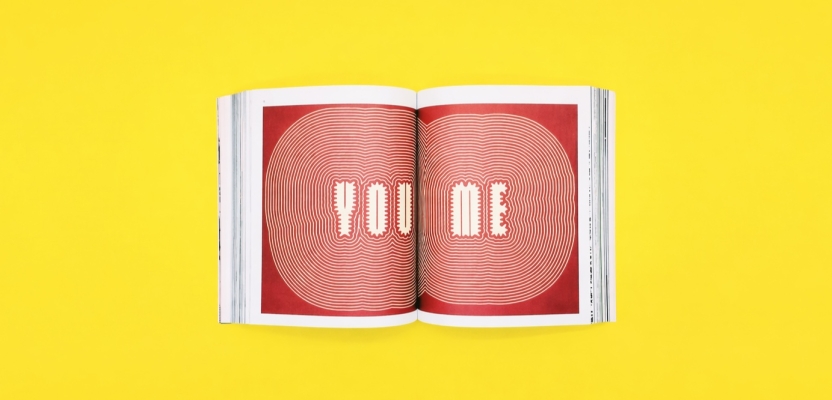

Design doesn’t really move forward in neat, predictable steps. It tends to shift because a handful of people decide to challenge what everyone else accepts as normal. The most influential designers (whether they’re famous graphic designers shaping how brands speak, or product designers quietly redefining the objects people use every day) rarely set out to become “important.” They’re solving problems, following instincts, and, occasionally, breaking things that probably didn’t need fixing. Over time, though, those decisions add up. What starts as a different way of thinking becomes a new standard, and before long, those individuals are the ones shaping design history.
That history is much bigger than a few glamorous posters or expensive chairs too. It runs through road signs and transport diagrams, radios and household appliances, magazine identities and film titles, stage worlds and digital devices. Any honest account of design pioneers also must leave room for the design leaders whose work has too often been softened, sidelined or credited elsewhere. So rather than build a polite little hall of fame, it’s more useful to ask whose work still shapes the way the rest of us navigate, recognise, trust and desire.
What Makes Designers Truly Influential in the Industry

Ben The Illustrator
Popularity is the noisiest metric in design and usually the least revealing. Real influence shows up when a body of work survives the moment that produced it and keeps doing the job years later. In other words, influence in design isn’t just about being admired by peers. It’s about changing public culture, improving quality of life, and making better tools, systems or environments that continue to work long after the launch party is over.
The difference between a design pioneer and a modern design leader sits in the scale of the challenge. A pioneer usually arrives when the rules are still loose, often dragging an entire discipline in a new direction. A modern design leader inherits a more crowded stage and has to translate strong principles into organisations, products, platforms and public behaviour.
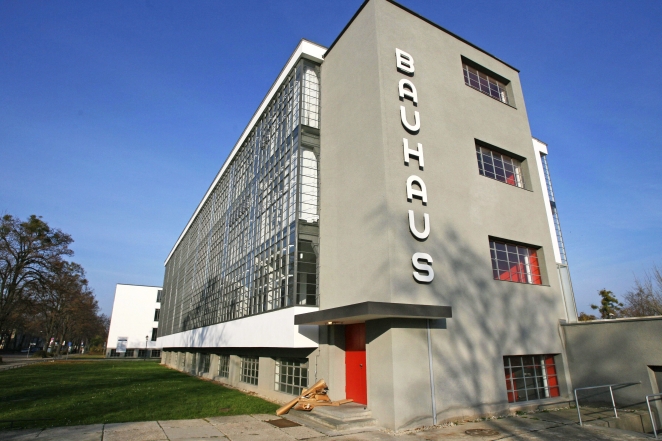
When Bauhaus opened under the direction of thinkers who wanted to unite fine and applied art, it was trying to redraw design education itself. When today’s leaders work across technology, branding or public experience, they’re often dealing less with invention-from-scratch and more with how to make systems coherent at scale.
The most influential work often feels strangely anonymous in use
One of the surest signs of influence is when authorship almost disappears into public habit. People don’t stop at a sign and salute the designer. They simply trust the information. They don’t stare at a transport map in reverence. They use it. They don’t admire a logo as an isolated artefact every morning. They accept it as the face of a company or institution.
That’s why the most influential work often feels strangely anonymous in use: the road-sign systems that still organise traffic, the diagrammatic transport logic that countless cities borrowed, the corporate marks that became inseparable from the businesses behind them. Influence, in other words, often looks like normality.
So how do designers become influential in the industry? Rarely through style alone. The ones who matter most tend to solve a real problem, repeat that quality across a body of work, teach or lead in some form, and keep adapting as technology shifts around them. They make things that are clear without being dull, desirable without being frivolous, and original without becoming unusable.
The famous names endure because they found a way to make taste serve function rather than float above it. That balance is what separates short-lived hype from lasting authority.
Famous Graphic Designers Who Defined Visual Communication
When people talk about famous graphic designers, they often reach first for logos, album covers and posters, which is fair enough. Graphic design is the part of the discipline most of us encounter at a glance. But its real power sits deeper than surface charm. It frames how institutions present themselves, how culture circulates, and how complex information becomes memorable. The best graphic designers don’t just make things look good. They give language, rhythm and hierarchy to public life. Few figures embody that better than Paul Rand.
Paul Rand
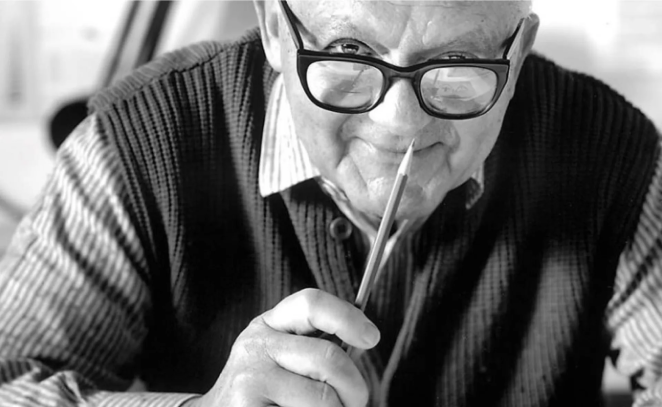
Rand pulled European modernist ideas into an American commercial setting without draining them of wit or energy, and he treated identity as a system rather than a decorative afterthought. His work for IBM remains the clearest example: the company’s 8-bar logo, introduced in 1972, gave a huge corporate machine a crisp and durable visual voice, and IBM itself still describes it as one of its most valuable assets. Add in identities for UPS and ABC, plus decades of teaching and writing, and you get a designer whose influence spread through businesses, classrooms and the wider design conversation at the same time.

Saul Bass
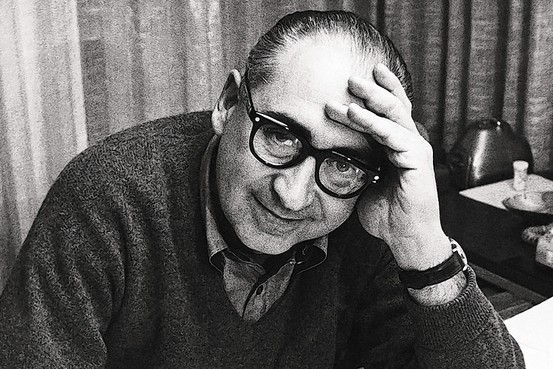
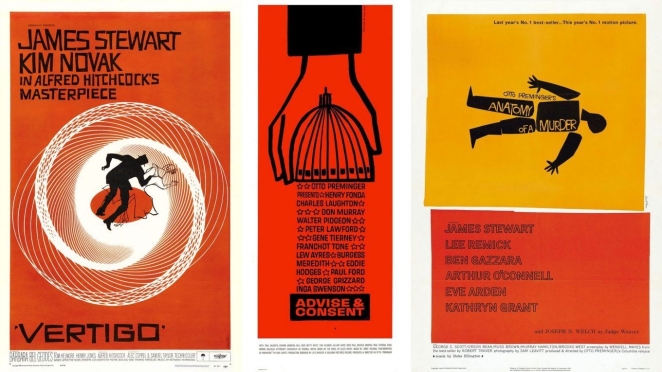
Saul Bass more or less forced cinema to take graphic design seriously as part of storytelling. Bass didn’t treat title sequences as admin before the real entertainment began. He turned them into mood, tension and narrative compression. His work across posters and film openings made visual identity inseparable from the emotional tone of a movie, and by the time later generations started lifting and homaging his style, the grammar was already everywhere. That’s the giveaway with influence: once the language spreads, it stops needing to announce its source.
Milton Glaser

Milton Glaser proved something different. He showed that graphic design could be popular without being simplistic and civic without becoming dreary. His career stretched from Pushpin-era exuberance to publishing, illustration and identity work, but the work that made him unavoidable was the I ♥ NY campaign, a piece of public communication so compact and emotionally direct that it outgrew advertising and became cultural shorthand. He also helped found a magazine that reshaped city publishing, which matters because Glaser’s influence was never confined to one famous mark. He helped design a mood for urban culture itself.

Massimo Vignelli
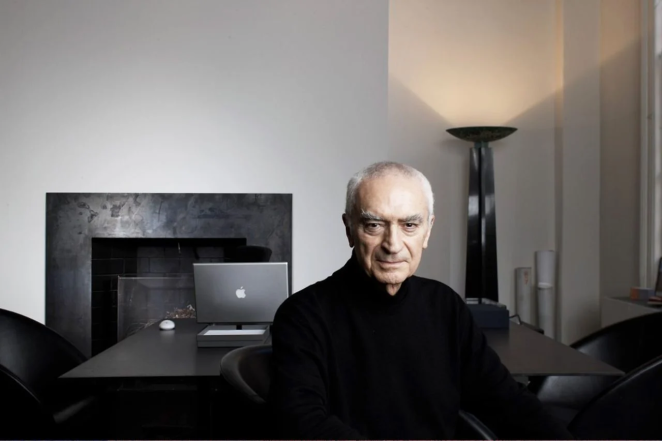
By the time Massimo Vignelli turned modernist clarity into a civic and corporate language, graphic design had become inseparable from systems thinking. The Vignelli legacy sits partly in objects and marks, but even more in the way information is organised. His work helped show that wayfinding, typography and brand identity could operate with the same disciplined logic.

Paula Scher

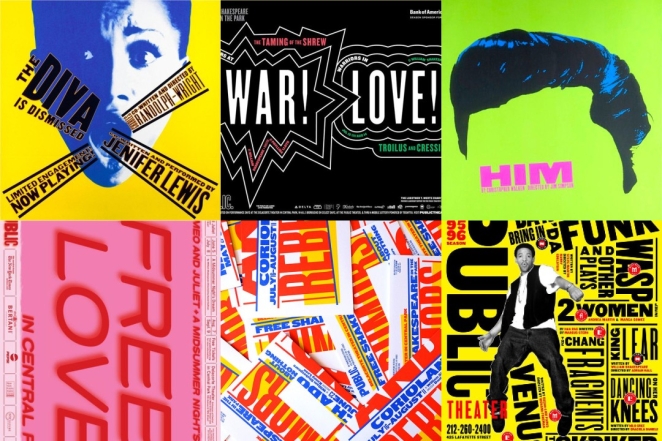
This line runs neatly into Paula Scher, a partner at Pentagram whose typography gave cultural identities fresh volume and swagger, especially through her work for The Public Theater. She made visual communication feel public, loud and legible again, and in doing so became one of the rare designers equally admired by institutions and the street.
April Greiman

The final bridge to the present probably passes through April Greiman. Greiman’s importance lies in how early and how boldly she treated digital technology as a genuine visual medium. Rather than using the computer as a faster production tool, she used it to expand what graphic form could be. That shift matters enormously now, because almost every young designer works in the world Greiman helped normalise: hybrid, screen-based, interdisciplinary, and suspicious of old distinctions between art, design and media.

The most influential figures in graphic design don’t all resemble one another, and that’s part of the point. Rand gave us corporate authority, Bass gave us cinematic tension, Glaser gave us popular feeling, Vignelli gave us structural clarity, Scher gave us typographic bravado, and Greiman gave the digital era permission to be visually fearless.
Famous Product Designers Behind Everyday Innovations
If graphic design tells you what something means, product design tells you how life feels in the hand. That’s why the famous product designers with the biggest claim on daily life aren’t always the most flamboyant. They’re the people who made the ordinary less friction-filled, more usable and, crucially, more wanted. Ask which product designers had the biggest impact on everyday life and you keep arriving at the same kind of answer: the ones who turned function into trust, and trust into habit.
Raymond Loewy
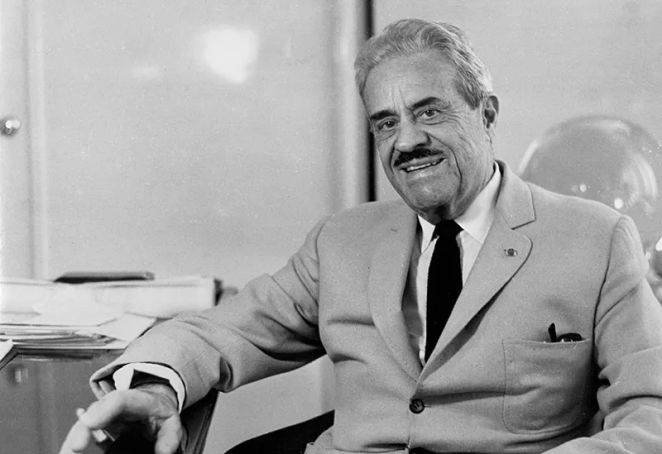
Raymond Loewy belongs right near the top of that list. He helped industrial design become a profession in its own right, beginning with the redesign of the Gestetner duplicating machine and moving through transport, appliances, packaging and branding. Loewy’s gift was commercial as much as aesthetic: he understood that people were more likely to embrace modern products if modernity looked streamlined, confident and just familiar enough to trust. That may sound obvious now. It wasn’t obvious when he was helping invent the playbook.

Dieter Rams
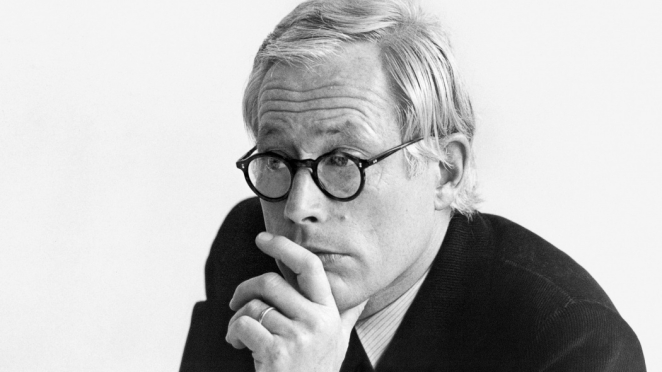
Dieter Rams took a different route and arguably cast a longer shadow. Working for Braun, Rams built a product language that still feels startlingly contemporary: quiet, useful, honest and stripped of fuss. Braun’s own history credits his tenure with making the company iconic, while later design histories keep circling back to his principles because they remain one of the clearest descriptions of disciplined product thinking ever written. What Rams understood better than almost anyone was that simplicity isn’t an aesthetic garnish. It’s a moral and practical commitment to clarity. Done badly, minimalism is a pose. Done properly, it’s relief.

Charles and Ray Eames
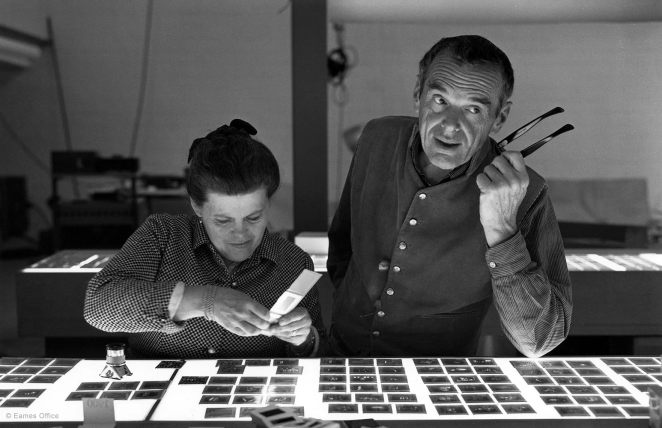
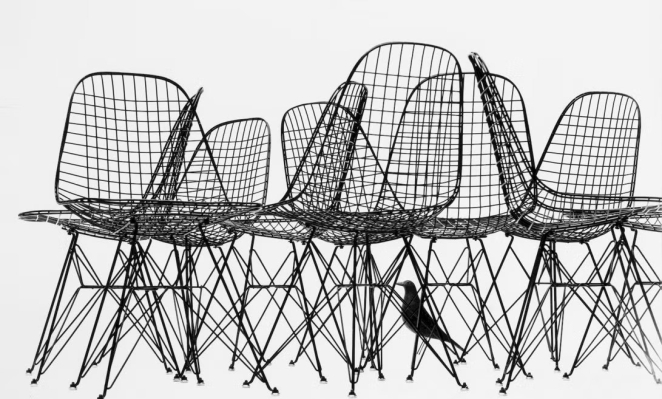
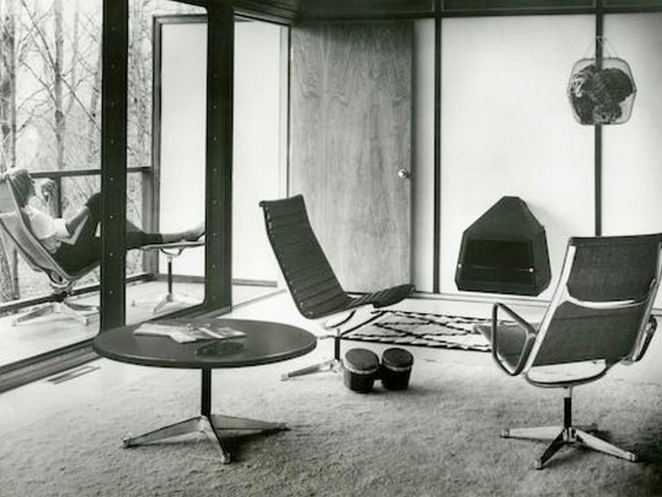
The partnership of Charles Eames and Ray Eames broadened the field even further. Their furniture is the famous part, but the real influence lies in how fully they treated design as a way of thinking rather than a single discipline. Across furniture, exhibitions, film, photography and education, they made modernism warmer, more curious and more humane. Their work balanced industry with play, rigour with delight. That’s a difficult balance to strike, and even harder to sustain across decades. One reason the Eameses still feel fresh is that their work never seems reduced to one ideological trick. It keeps moving.
Jony Ive

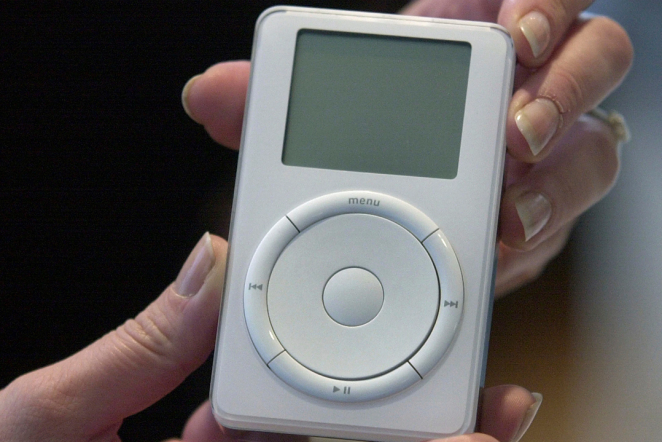
Jony Ive is the figure who brought product design into the centre of contemporary tech desire. After joining Apple in 1992, he became responsible for hardware, interface, packaging and major architectural projects, helping to make design central to the appeal of everyday computing rather than a layer applied after engineering had finished. That shift changed expectations across the entire technology sector. Consumers started to assume that powerful products should also feel coherent, legible and emotionally convincing. Once that expectation took hold, there was no going back.
Kenneth Grange

Kenneth Grange co-founded Pentagram after establishing himself through work for Kodak and Kenwood, and he later described the InterCity 125 as one of his favourite contributions — a reminder that product design’s reach extends far beyond the domestic object.

James Dyson

James Dyson made engineering-led household appliances feel culturally visible again by treating frustration as a design brief rather than a fact of life. Grange improved the texture of everyday infrastructure and domestic use over decades; Dyson turned irritation into innovation and built an entire public persona around purposeful problem-solving. Both belong in any credible answer to the question of which product designers most changed everyday life.

Design Pioneers Who Changed the Direction of Modern Design
Design pioneers matter because they alter the discipline’s trajectory rather than simply mastering its current rules. Their work tends to arrive with a whiff of friction about it. It can look unfashionable at first, too severe, too strange, too handmade, too playful, too logical, too emotional. Then, slowly, the world rewrites its expectations around them. That’s the pattern you see again and again in the real turning points of design history.
William Morris
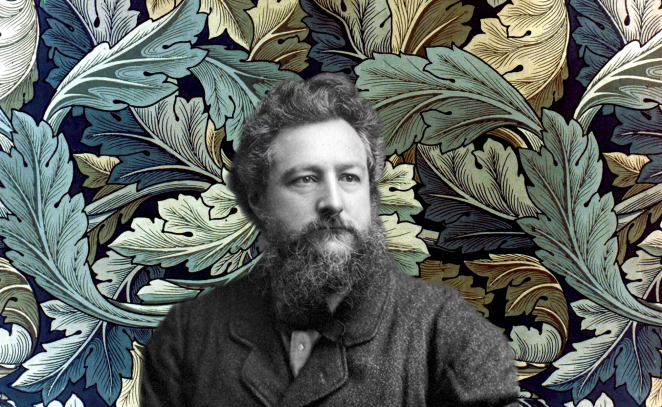
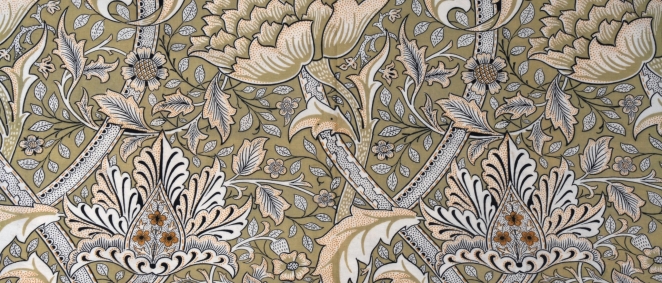
William Morris matters because he forced design to confront a question it still hasn’t entirely resolved: how do you make things beautifully in an industrial society without reducing either beauty or labour to something cheap and mechanical? The V&A describes him as a key figure in the Arts and Crafts movement and notes that his work stretched far beyond the wallpaper patterns he is still most widely recognised for, into textiles, carpets, embroidery, tiles and book design. Britannica goes further and calls him an English designer, craftsman, poet and early socialist whose work helped generate the Arts and Crafts movement in England and transform Victorian taste. That breadth is important, because Morris was never just decorating surfaces. He was trying to redefine the relationship between making, living and value itself.
Walter Gropius
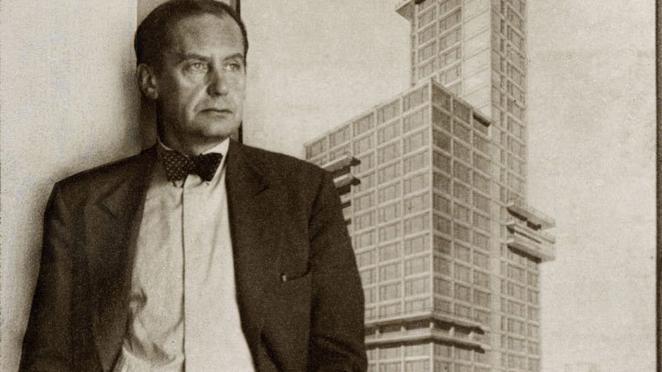
Walter Gropius matters because he helped turn modern design from a loose cultural impulse into an organised educational and industrial project. The Bauhaus-Archiv notes that he was the founding director of the Bauhaus when it opened in Weimar in April 1919, while the school’s own programme made clear that its central ambition was to reunite art, craft and architecture in a form suited to modern life. That sounds tidy now, almost inevitable, but it was a radical proposition in practice. Gropius was trying to dismantle old hierarchies between fine art and applied art, and to train a new kind of designer who could think across materials, function, industry and form at once. The Metropolitan Museum of Art describes the curriculum he developed as craft-based, designed to produce artisans and designers capable of making useful and beautiful objects for a new way of living. In other words, Gropius did not just help found a school. He helped define the intellectual model that modern design education would spend the next century borrowing, adapting and arguing with.
Design pioneers alter the discipline’s trajectory rather than simply mastering its current rules
Otl Aicher
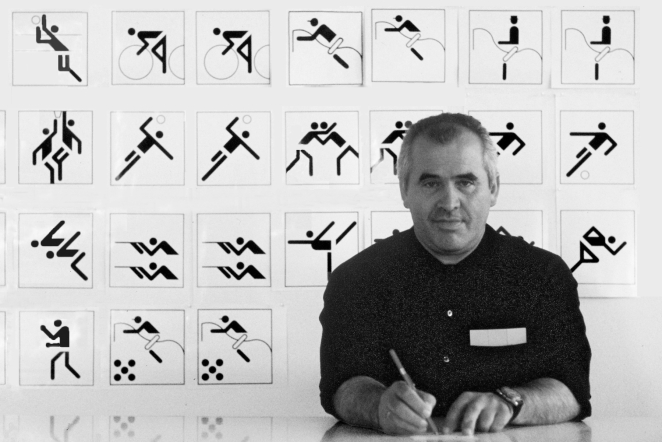
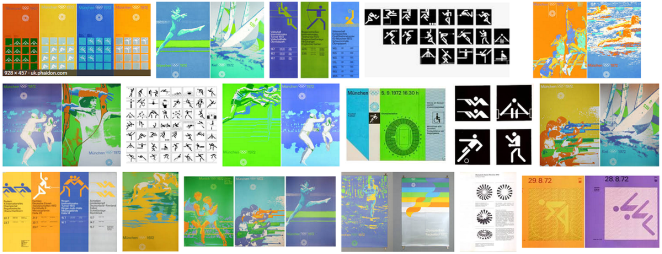
Otl Aicher belongs in any serious account of influential design because he helped define what modern visual communication looks like when it has to work across language, scale and public complexity. As a co-founder of the Ulm School of Design in 1953, he was part of the postwar attempt to rebuild design education around clarity, ethics and systems thinking rather than ornament or habit. That educational legacy alone would make him important. But Aicher’s real public force came through the way he translated those principles into practice: not just in posters or logos, but in entire information environments. He treated design as an organising intelligence, capable of making institutions legible and public space less confusing.
Harry Beck
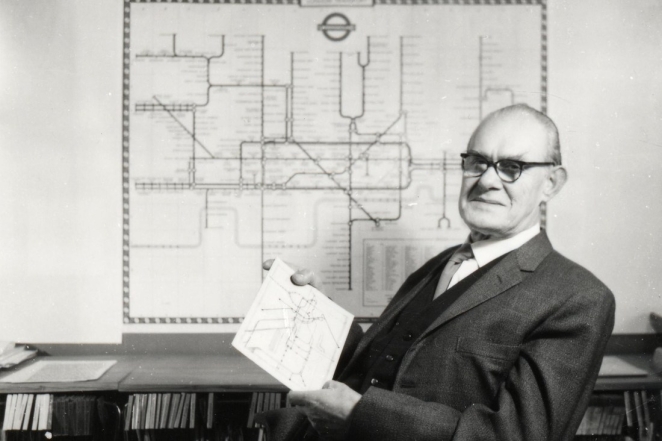
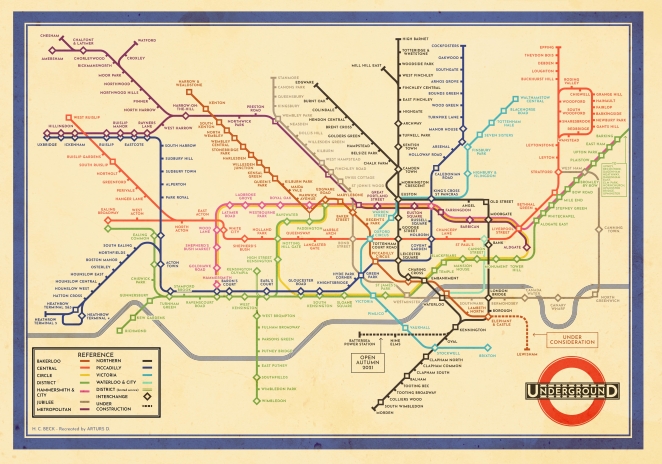
Harry Beck solved one of design’s great public-information problems by realising that geographic accuracy was not the same thing as user usefulness. His 1933 London Underground map abandoned the messy realism of above-ground geography and instead borrowed the logic of electrical circuit diagrams, reducing the network to a clear system of coloured lines and decisive interchanges. That move now feels inevitable, which is usually a sign that somebody changed the rules so successfully the old way became difficult to imagine. Transport for London still describes the design as a classic, and for good reason: Beck turned a sprawling city network into something ordinary passengers could actually understand at speed.
Achille Castiglioni
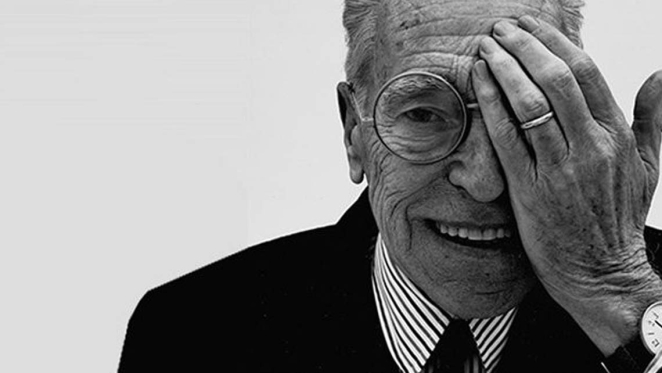
Achille Castiglioni matters because he made product design smarter without making it pompous. Alongside his brother Pier Giacomo and, later, through solo work, he treated the designed object as something that could be technically rigorous, deeply useful and also full of wit. That balance is harder than it looks. Plenty of designers can make an object efficient. Plenty can make one playful. Castiglioni repeatedly managed both at once, which is why so many of his objects still feel contemporary rather than merely canonical. His work helped define the particular intelligence of postwar Italian design: alert to industry and manufacturing, yes, but equally alert to irony, improvisation and the poetry of everyday use.
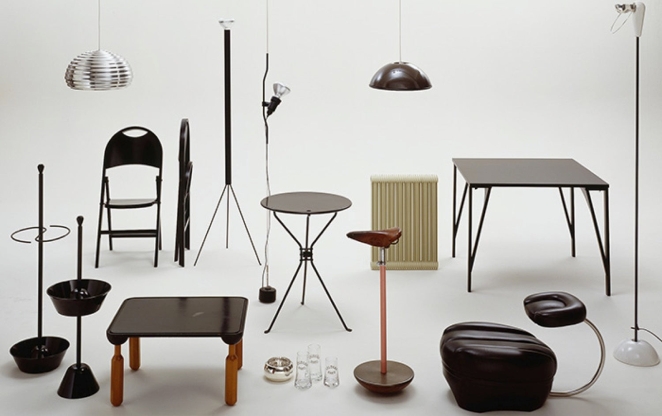
Ettore Sottsass
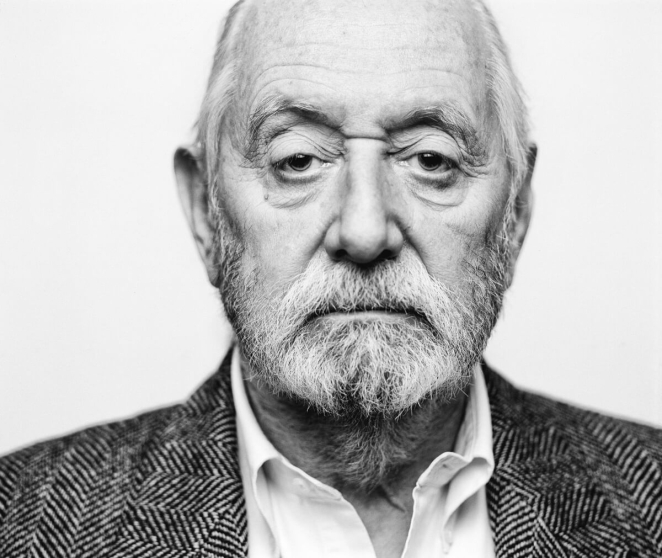
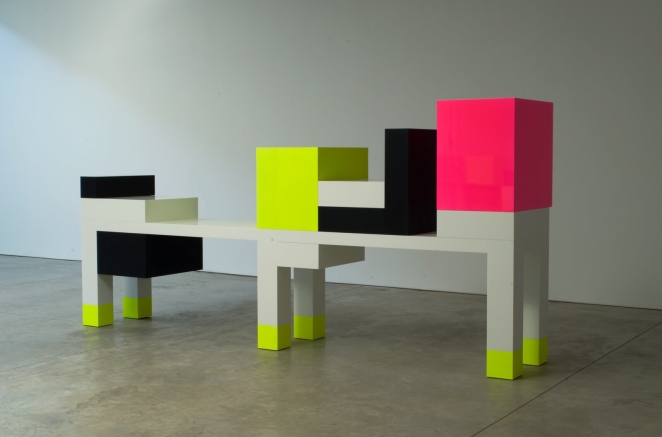
If Castiglioni made modern product design more intelligent, Ettore Sottsass made it harder for design to pretend intelligence only looked restrained. Sottsass had a huge, varied career spanning architecture, furniture, ceramics, glass, textiles, photography and industrial design, and the Metropolitan Museum of Art describes him as a seminal twentieth-century figure whose output stretched across more than six decades. That scale matters because Sottsass was never simply the man behind one colourful postmodern moment. He was a restless designer who kept testing what objects were allowed to mean, how they might carry memory or ritual, and why modern life had become so emotionally anaemic in the first place.
Influential Design Leaders Shaping the Industry Today
The industry’s most important figures today rarely fit the old lone-genius myth. Influence now tends to travel through teams, studios, platforms and cross-disciplinary practice. The strongest contemporary leaders don’t just produce admired work. They shape the conditions in which good work gets made — the process, the culture, the collaboration, the ambition. That’s why influential design leaders now often look as comfortable in strategy, technology and direction-setting as they do in form-making.
The industry’s most important figures today rarely fit the old lone-genius myth
Thomas Heatherwick

Thomas Heatherwick occupies an unusually interesting position in contemporary design because he works in the territory where object-thinking, engineering, architecture and public theatre overlap. Heatherwick Studio describes itself as a team of more than 250 problem-solvers working across buildings, spaces, objects and infrastructure, and that breadth is central to his influence. He did not become significant by staying inside one neat discipline. He became significant by treating the built world as something that should be questioned at every scale, from the hinge or handrail to the skyline. The studio’s own description of his process emphasises materials, making and the expectation that everyone involved should challenge ideas rather than merely execute them. That tells you a lot about why his work lands so strongly in the public imagination: it rarely feels like a standard architectural practice smoothing a concept into acceptability.

Es Devlin
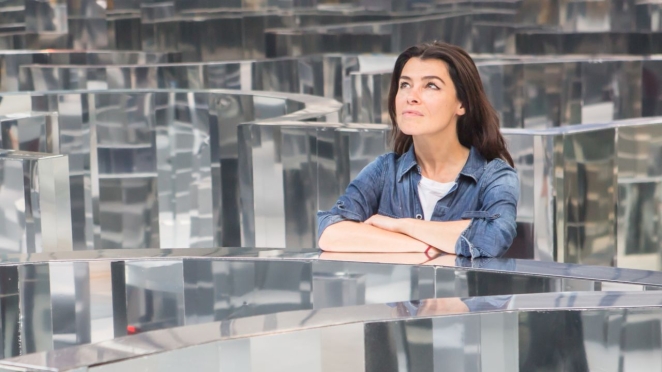
Es Devlin has done more than become a famous stage designer. She has expanded the cultural understanding of what stage design can be. Her official biography describes a practice ranging from public sculpture and installation to kinetic set design for the Royal Opera House, the Metropolitan Opera, the National Theatre, Olympic ceremonies, Super Bowl halftime shows and large-scale stadium performances for major musicians. That range matters because Devlin’s significance lies in the collapse of old boundaries. She treats theatre, concert spectacle, installation art and civic gathering as connected forms of spatial storytelling. Instead of seeing audiences as passive consumers of image, she sees them, in her own framing, as a temporary society. That is a much larger and more interesting idea than “set design.”

Ilse Crawford

Ilse Crawford’s influence comes from making design care, and doing so without letting that idea become vague or sentimental. Through Studioilse and her long leadership of the Man and Wellbeing department at Design Academy Eindhoven, she has argued that environments, objects and experiences should address genuine human needs rather than manufactured aspiration. That may sound obvious, but much contemporary design culture still rewards novelty, spectacle and frictionless luxury long before it rewards comfort, emotional intelligence or mental ease. Crawford’s work has pushed firmly against that hierarchy. She has made it much easier to talk seriously about softness, tactility, mood, rest and wellbeing as design priorities rather than indulgent extras.

Marina Willer

Marina Willer deserves more space in the article because she represents a modern kind of design leadership that is increasingly important: strategic, cinematic, culturally literate and not confined to one medium. Pentagram describes her as both a graphic designer and filmmaker, and that combination is the key to her influence. Before becoming a partner at Pentagram, she was head creative director at Wolff Olins, where she helped shape major identity work. Her portfolio includes Tate, Amnesty International, Southbank Centre, Serpentine Galleries, Rolls-Royce Motor Cars, Oxfam and many more, which immediately places her in the company of designers who have shaped how major cultural and civic institutions speak in public.
Female Design Leaders Driving Change in the Industry
The phrase female design leaders still carries the feel of a correction, which says something about how the field has historically told its own story. Too often, women’s contributions in design have been treated as supporting texture rather than authorship. The record won’t really stand up to that version any longer. Many of the most significant shifts in modern and contemporary design run directly through women whose work transformed furniture, public information, architecture, graphic identity and performance environments.
Ray Eames
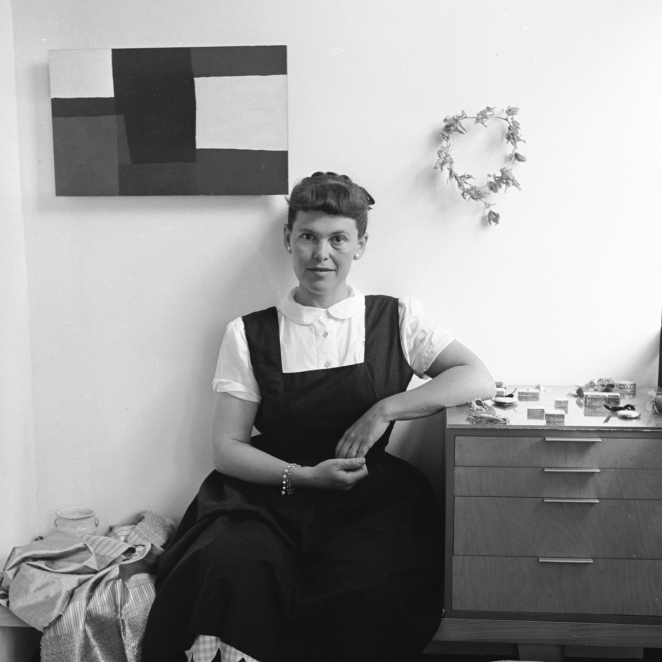
Ray Eames is often mentioned in tandem with Charles Eames, which is fair as far as collaboration goes and hopelessly inadequate as far as authorship goes. The Eames Office itself describes Charles and Ray as partners in life and work who stood at the forefront of design, architecture, filmmaking and furniture, while the Eames Institute notes that Ray trained as an abstract artist and brought a distinctive set of visual and material sensibilities to the partnership. That artistic formation matters. Ray’s influence was not supplemental polish around a more “serious” designer’s ideas. It was foundational to the entire Eames language: the colour, the composition, the sense of play, the graphic intelligence and the disciplined warmth that made the work feel modern without becoming cold.
Margaret Calvert

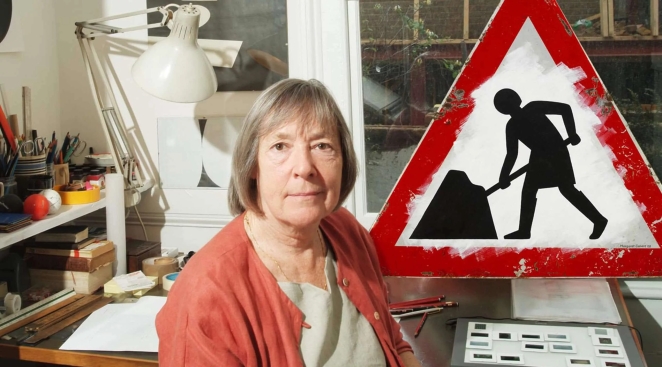
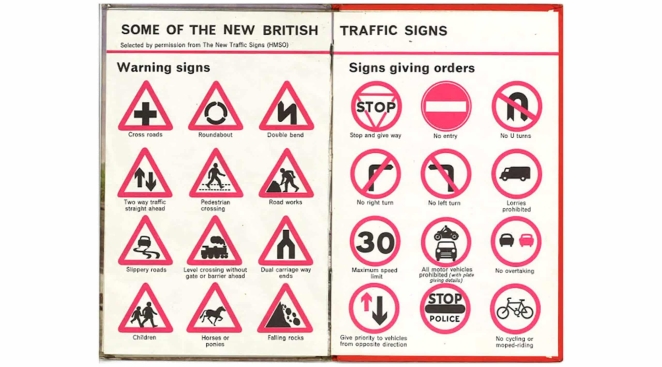
Margaret Calvert is one of the clearest examples in British design of influence becoming so successful it disappears into everyday life. The Design Museum describes the road and motorway signage system developed by Jock Kinneir and Calvert between 1957 and 1967 as one of the most ambitious and effective information-design projects ever executed in Britain, and a role model for road signage around the world. That is not overstatement. Calvert helped create a coherent visual language of lettering, shapes, colours and symbols at a moment when British road signage was chaotic and inconsistent. The new system became law on 1 January 1965, and it remains in place with only minor modifications. Millions of people use its logic constantly without pausing to think about who made it. That is not anonymity as erasure. It is design authority at the highest level.
Too often, women’s contributions in design have been treated as supporting texture
Zaha Hadid
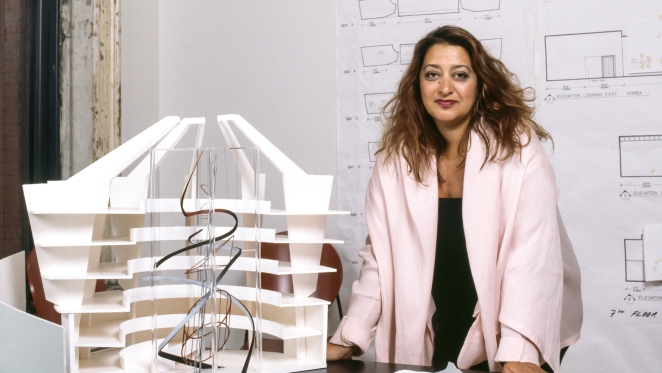
Zaha Hadid changed design and architecture in at least two ways at once: through the forms she made possible and through the symbolic barriers she shattered while making them. The Pritzker Architecture Prize biography traces her move from Baghdad to London, her studies at the Architectural Association, her time with OMA and the establishment of her own practice in 1980. It also frames her as an architect who consistently pushed the boundaries of architecture and urban design through new spatial concepts. That phrase is important, because Hadid’s contribution was never merely cosmetic futurism. She rethought how buildings could move, sweep, tilt, stretch and organise space, producing a language that felt dynamic even when static. Her early drawings were not decorative indulgences. They were tools for inventing a new architecture.

Key Lessons from the Most Influential Designers
Nugno
What links all of these figures isn’t a single style. It’s a way of working. They begin with a problem worth solving, not a mood board worth admiring. They care about the user without patronising them. They understand that clarity takes effort. They know that form and meaning are inseparable. And, crucially, they build bodies of work rather than isolated flashes of brilliance. Influence compounds when a designer keeps proving the point across time, disciplines and changing technology.
There’s another lesson too: the most influential figures almost always think in systems. They don’t stop at the object, the poster or the room. They consider the context around it — the route, the shelf, the interface, the institution, the audience, the sequence of use. That’s why their work lasts. A map survives because it makes movement easier. A road-sign system endures because it reduces uncertainty. A product line becomes iconic because it feels coherent across years. A visual identity sticks because people can recognise it instantly and trust it under pressure.
Influence rarely belongs to pure formalism
And perhaps the biggest lesson is that influence rarely belongs to pure formalism. The designers who last remain porous to technology, education and collaboration. Gropius built a school. The Eameses built a way of thinking across media. Greiman embraced the computer early rather than defensively. Ive moved from devices into wider technological direction. Devlin treats live audiences as an active design material. The field keeps changing, but the habit that creates influence stays pretty consistent: curiosity with consequences.
The most iconic designers and influential creative leaders endure because the best leaders design more than artefacts. They design habits, standards, expectations and ways of seeing. That’s why these influential designers, these design pioneers, and these female design leaders still feel present long after the first prototype, the first poster, the first opening night or the first product launch. The work is still out in the world, still doing its job, which is the clearest definition of influence you could ask for.
How to Hire Designers on Creativepool

The history of design is full of extraordinary individuals, but most businesses don’t need the next Paul Rand, Ray Eames or Zaha Hadid in the abstract. They need the right designer for a specific challenge. A sharper brand identity. A clearer website. A more intuitive product. A packaging system that stands out on shelf. A campaign visual language that actually feels ownable. A piece of wayfinding that makes life easier rather than prettier.
That’s where Creativepool can be a practical next step. For brands, agencies, startups and growing businesses, Creativepool makes it easier to discover and hire designers across a wide range of disciplines, from graphic designers and brand identity specialists to digital designers, product designers, motion designers, illustrators, art directors and creative technologists.
The first step is to define the design problem properly. Hiring a designer shouldn’t begin with “we need something that looks better.” It should begin with what the work needs to achieve. Does the brand need to be more recognisable? Does the website need to convert more clearly? Does the product need to feel easier to use? Does the campaign need a stronger visual idea? The most influential designers in history weren’t influential because they decorated problems nicely. They changed expectations by solving them with clarity, originality and discipline .
Once the brief is clear, businesses can use Creativepool’s talent network to explore designers by specialism, experience, location and body of work. Portfolios matter here. A strong designer’s profile should show more than attractive outcomes. It should reveal how they think, what kinds of problems they solve, which sectors they understand and whether their work has the level of craft, restraint or imagination the brief requires.
For businesses looking for a broader creative partner rather than an individual freelancer, Creativepool’s company directory can also help identify agencies, studios and design consultancies. That can be particularly useful when the challenge spans several disciplines: a rebrand that needs strategy, identity, copy and rollout; a product launch that needs packaging, campaign assets and digital content; or a website project that needs UX, visual design, development and ongoing optimisation.
Hiring well also means looking beyond style. The article argues that real design influence comes from work that survives beyond its moment and keeps doing the job years later . That’s a useful hiring principle too. Don’t just ask whether a designer’s work looks impressive in a portfolio grid. Ask whether it solves the right problem, works across real-world applications and has enough strategic thought behind it to last.
Creativepool can also help businesses compare different levels of support. A freelance designer may be ideal for a focused identity refresh, campaign asset suite, illustration project or digital design task. A studio may be better suited to a full brand system, packaging range, service design project or complex product experience. An agency may be the right choice when design needs to connect with strategy, media, content and long-term brand growth.
For designers, maintaining a strong Creativepool profile is also a way to make that expertise visible. The most effective profiles show finished work, but also context: the challenge, the thinking, the process and the outcome. That helps clients understand not just what a designer makes, but why they might be the right person to hire.
The lesson from design history is not that every business needs a famous name. It’s that good design changes how people navigate, recognise, trust and desire things. Hiring designers through Creativepool gives businesses a way to find the people who can do that work now, whether the brief calls for clarity, beauty, usefulness, distinctiveness or a little bit of all four.