



The creative world is racing ahead. New technologies and media mean that simple graphic chops aren’t enough anymore. Today’s winners are those who can think big and work tech: systems-savvy directors who can navigate “messy, unpredictable” environments and harness AI and new platforms, rather than fear them. Simon Manchipp of SomeOne sums it up in a nutshell:
“Stand-out skills? Creative direction across messy, unpredictable systems. Designing with AI, not against it. Telling brand stories in augmented realities and building frameworks for brands that exist across screens, spaces, and seconds”
— Simon Manchipp, founding partner at SomeOne
It would appear that most creative leaders seem to be adopting the stance that AI is now seen as an “essential creative partner,” not a threat. Indeed, we’re already seeing hybrid roles like “creative AI designer” emerge, exactly as Manchipp suggests.
Likewise, immersive media is booming: brands in retail, entertainment and beyond are pouring into AR/VR, meaning roles like XR designer, Unity developer, virtual experience director and even Brand Experience Directorare among the fastest-growing (and highest-paying) creative careers. In other words, telling stories in augmented realities (as Manchipp puts it) isn’t sci-fi. It’s happening right in front of our eyes.
Agencies themselves are transforming, too. Creatives no longer work in neat silos. Today’s design teams collaborate with data scientists, product folks and engineers, and must juggle complex toolsets. Frontmatter’s industry survey finds that many agency jobs now “require familiarity with Agile workflows, prototyping tools, and even basic coding,” with teams becoming innovation hubs blending design, strategy and tech. In practice this means mastering the latest tools – everything from Figma, Adobe Creative Cloud or Blender, to emerging platforms like Midjourney and Unity while never losing sight of the brand story.
Freelancers and remote creatives face this too. With the global market wide open, it’s not enough to be good; you must stand out as a one-person studio. Frontmatter advises that independent creatives “must build strong portfolios, master communication tools like Slack and Loom, and manage their careers like businesses,” since they’re competing worldwide. In short: whether in an agency or a solo setup, today’s creative professionals need agility, curiosity and a wide toolkit – just as Simon’s list implies.
Above all, though, our human edge remains crucial. Rob Roach of Grit & Pearl puts it bluntly: machines can crunch data, but they can’t feel. He urges us to “hold on to your restless curiosity and keen perception. Your empathy, and your gift for turning intuition into innovation, will serve you well as the rise of the machine takes hold.” In 2035, our point of difference (as he says) is simple: “our hearts still beat faster than our heads.” Keep feeling, imagining and caring – that emotional intelligence is a skill no AI can replicate.
“Do yourself a favour and hold on to your restless curiosity and keen perception. Your empathy, and your gift for turning intuition into innovation, will serve you well as the rise of the machine takes hold. Our point of difference in 2035 (and today!) is simple: our hearts still beat faster than our heads. So, keep feeling, imagining, and caring.”
— Rob Roach, managing director at Grit & Pearl (a Trident company)
What skills do we need right now to stand out?
The obvious answer appears to be a fundamental blending of technology and humanity. On the tech side, agencies want designers who can build multi-screen, multi-platform experiences. That means knowing new media tools (like AR/VR engines, 3D software or AI assistive apps) and understanding how a brand lives online, in an app, on social feeds, everywhere.
It also means systems thinking – how does a campaign flow from a billboard to a smartphone to a virtual space seamlessly? These are the sorts of problems Manchipp’s “messy, unpredictable systems” line hints at, and market reports back it up: cross-disciplinary skills and data literacy will set you apart.
Meanwhile, human skills are equally prized. Creative agencies remind us that after all the algorithms are in place, what really connects with people is empathy and intuition. Strong communication and storytelling ability – the kind that moves hearts and minds – will always matter. Industry guides explicitly list “mixing empathy with visual storytelling,” along with collaboration and pitching skills, among the essentials. In short: you need to know your tech, but you must not lose your soul.
Taken together, that’s why Manchipp’s four stand-out skills hit so many notes: they mix strategic vision, cutting-edge tech (AI/AR) and broad thinking. Agencies that thrive will hire people who understand AI instead of fearing it, who can harness augmented reality as a narrative tool, and who can craft consistent brand experiences from the phone in someone’s hand to the logo in the sky. At the same time, they’ll reward the curious, empathetic creatives who imagine those experiences in the first place – exactly as Roach urges.
Freelancers can take this advice to heart, too. In the gig economy, standing out means running your personal brand like an agency: be technically sharp and uniquely human. Build a portfolio that showcases multi-device stories (not just static print), stay on top of new tools (maybe learn basic Unity or Figma if you haven’t yet), but also tell real, emotional stories in your work. As the market grows more competitive, the versatile creatives – ones who mix skillful craft with empathy and imagination – will be the ones clients notice.
What creative skill do you wish you’d mastered a decade ago?
Eric Muchira
Looking back, both Manchipp and industry experts highlight one unexpected answer: coding (at least a little). Manchipp quips that he wishes he’d learned coding “not to build [things] but to understand when I’m being bullshitted.” In other words, even if you don’t become a full-stack developer, understanding how digital products are made gives you critical insight and leverage today.
This isn’t just Simon’s intuition. By 2035, basic tech literacy is becoming part of a creative’s toolkit. Reports on creative careers note that many new roles require familiarity with prototyping tools and even basic coding. Designers who can tweak an HTML/CSS layout or write a simple script – even if they partner with developers for big builds – communicate better and think more flexibly. Career counselors today advise that aspiring creatives should learn to code on some level, alongside design tools like Figma or Unity.
So while the tagline question was about “a skill to master a decade ago,” the truth is it’s never too late to start. Today’s creative leader who picks up the basics of coding is simply aligning with where the industry has been heading. It’s a skill that helps you innovate (as Roach would say) and keeps you sharp in strategy meetings.
In 2025, which outdated skill should we stop teaching?
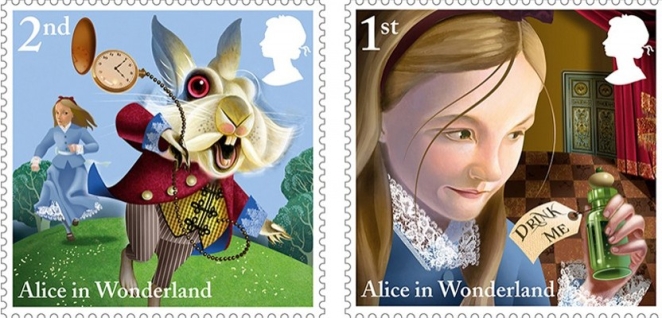
Manchipp admits he isn’t sure we should stop teaching anything outright. But he does wonder if some traditional exercises send the wrong message. For example, he notes that seeing student portfolios full of “Royal Mail stamps” or old-style book covers makes him question whether our collective ambition is high enough. The implication: designing stamps is a fine skill, but maybe not the peak project we use to challenge students in a bold future.
Many would agree that purely analogue, craft-focused tasks are less central than they once were. As one creative veteran recalls, design school used to stress old-school print techniques – even binding your own portfolio books by hand – skills that “feel like so long ago now” compared to today’s workflow.
We still teach basic layout and typography, of course, but some faculty are rethinking whether exercises like rote book-cover designs reflect modern practice. Perhaps the real outdated “skill” is playing it too safe. If teaching is about preparing students for a dynamic market, it may make sense to push them into richer briefs – think digital installations, AR projects or social campaigns – rather than dozens of stamp designs.
Ultimately, Manchipp’s point is that ambition should change more than core technique. Fundamentals like composition, colour theory or writing are building blocks, but they must serve bigger creative visions. Agencies want graduates who dream big: about technology, about scale, about social impact. To paraphrase Manchipp: every skill adds context, but we should also question whether some classic portfolio tasks undersell how far creativity can go.
No matter what stays on the curriculum, one thing is clear: stay curious and caring. As Rob Roach puts it, even in 2035 our edge will be human – creativity driven by feeling, not just algorithms. So, while we futureproof our skillset with AI fluency, code literacy, and immersive design know-how, let’s never stop nurturing empathy, intuition and heart. After all, the creative skills that truly make us stand out are the ones machines can’t take away.