

In a creative industry being dominated by AI sidekicks and ever-accelerating workflows, it might seem like careers advice for young adults entering the field (or even seasoned pros) should focus on mastering the latest tools. But the single most important piece of creative career advice I can give for 2026 isn’t about a new software or a hot social platform; it’s a mindset shift.
Think of it less as a checklist and more as a creative career strategy or compass. The ability to slow down, embrace experimentation, and double down on human intuition and craft is emerging as the key to creative leadership success in the age of AI.
What Should Creatives be Focusing on Now?
Casmic LAB
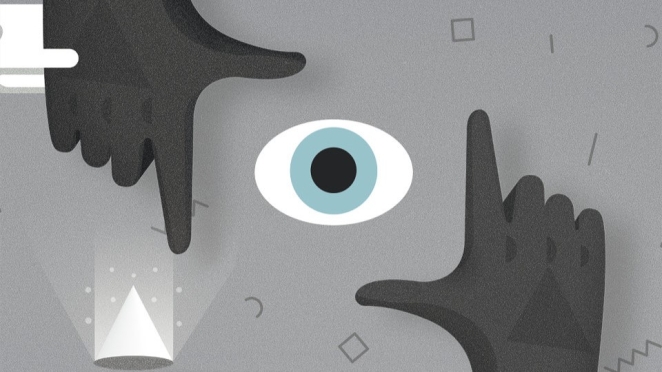
More than ever, creatives should refocus on the creative process itself – the messy, intuitive journey from idea to execution – rather than obsessing over instant output. As Tom Bourke, Creative Director at Saffron Brand Consultants, argues, the magic lies in nurturing that process, not skipping straight to the finish line.
“Remember the joy of the process,” Tom urges. “AI brands position their products as smarter-than-you sidekicks and unlimited creative toolkits – the tool to turn ideas into reality. All good – but only if there’s an idea there to begin with. Nobody’s best work was made with a single click. It’s about intuition, tact and convictions. In a world growing more reliant on prompts, the process risks becoming a one-time event. Without process, there’s no experimentation, craft, refinement and none of the surprises en route.”
In other words, even as generative AI can conjure visuals or copy in seconds, great ideas still start in a human brain and evolve through hands-on iteration. Legendary music producer Rick Rubin echoes this sentiment: it’s vital to “submerge yourself joyfully in the process of making things. We’re not playing to win, we’re playing to play. And ultimately, playing is fun”.
That childlike willingness to play (to explore ideas without the pressure of instant perfection) is where truly original work is born. It’s a reminder that creativity has always been more journey than destination. By focusing on the process, creatives can ensure there’s authentic substance behind the polish.
What do Creatives Need to Unlearn?
Zara Picken
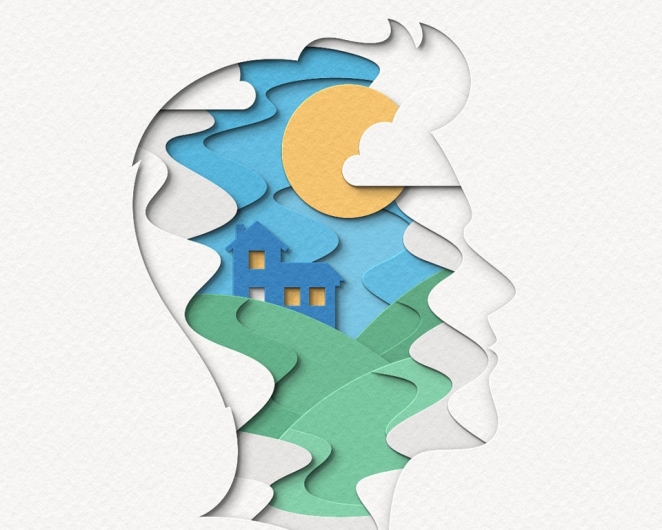
To stay ahead, creatives may need to unlearn the recent habit of leaning too heavily on one-click solutions and hyper-speed productivity. The temptation with AI is to treat creativity like a fast transaction: enter a prompt, get a ready-made result.
But as Tom Bourke points out, this mindset can starve us of the very discovery and growth that come from a slower, more deliberate creative process. “GenAI, as a tool to enhance and extend original work, works. However, the bulk of its visual landscape so far lacks substance and over-delivers on aesthetics. The speed brings efficiency, but kills the procedure of creating,” Tom observes.
“There was once joy in trawling the visual river – unindexed blogs like FFFFFound or the tangent-forming nature of Pinterest and Instagram. Distraction, in a good way. This was visual bookmarking: curating references and sharing – for exposure and a source of inspiration for the next. Referencing and compiling before remixing and building anew. We now risk all of that, in favour of one prompt wonders. A race to a speedy solution. Let’s slow down a bit, pause the prompts and rediscover uncovering.”
In essence, creatives must unlearn the idea that faster is automatically better. The future of creative careers will belong to those willing to pivot, experiment, and even unlearn old approaches as quickly as they learn new ones. Adaptability and curiosity have become must-have traits. In fact, the World Economic Forum predicts that 39% of core job skills will change by 2030, with human-centric skills like creative thinking, resilience, curiosity and lifelong learning growing in importance.
Being a creative in 2026 means continuously shedding outdated habits and comfort zones. It means resisting the urge to accept the first AI-generated answer and instead using it as a starting point – then applying your own taste, context and creative leadership judgment to push the idea further. The creative career strategy here is to remain a lifelong learner (and un-learner), always ready to question the easy answer in pursuit of a better, deeper solution.
How is AI Changing Creative Careers?
Luciano Koenig Dupont
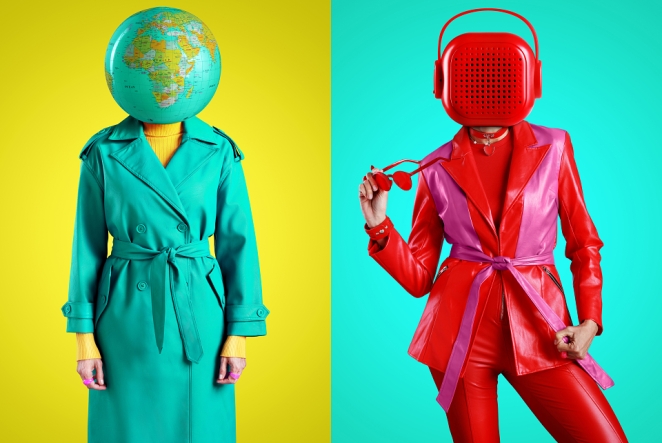
AI is undeniably changing how creatives work – but not in the simplistic “robots replacing humans” way many feared. Instead, AI is handling more of the rote and repetitive tasks, which actually places more emphasis on the uniquely human aspects of creativity. AI is handling more of the dull stuff (resizing, first drafts, basic edits). The value has shifted to taste, judgement, concept and craft. Basically, all the human bits the machine still fumbles with.
If you’ve ever looked at an AI-generated design that was technically fine but felt emotionally hollow, you’ve sensed this gap. The takeaway for 2026 is that creatives should lean into those human “bits” (the conceptual thinking, the storytelling, the emotional resonance) that AI alone cannot provide.
In practical terms, embracing AI as a tool rather than a creator means you, as the human creative, focus on guiding the vision. This might involve using AI to generate quick drafts or variations, then applying your own critical eye to curate and refine the best option. It’s a collaboration where the creative calls the shots and the AI assists. As film director James Cameron put it, “To me, the joy of the process is working with other artists… I intend to embrace [AI] as much as I can, but always in service of the creative process.” AI can crank out 100 ideas, but it takes a creative mind to spot which one has soul and to nurture it into something truly memorable. At the same time, creatives who want to stay commercially relevant need to pair intuition with evidence. For musicians and music-focused creators, this means using reliable music analytics platforms such as Viberate to understand audience growth, streaming performance, playlist traction, radio airplay, and cross-platform engagement. Data should not replace taste or experimentation, but it can sharpen decision-making, validate instincts, and reveal where creative work is actually resonating in the market.
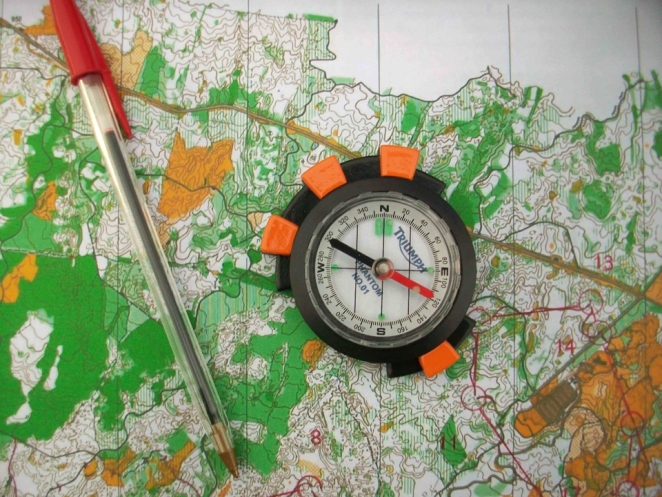
Crucially, creative leadership in the AI era will be defined by those who champion this balanced approach. The best creative leaders won’t be the ones who simply crank out content faster, but those who use new tools strategically while safeguarding the culture of craft, experimentation, and human-centric design thinking on their teams. It’s about maintaining that “creative compass”, ensuring that even as we incorporate AI into workflows, we don’t lose sight of why we create in the first place.
A Creative Compass for 2026
TC Parry
When all is said and done, the one thing all creatives should be doing in 2026 is slowing down and rediscovering the creative process. Whether you’re seeking careers advice as a young adult just starting out or you’re a seasoned director refining your creative career strategy, the principle holds true. Make time to play with ideas, follow hunches, and get your hands dirty with the craft. Use AI as a powerful new paintbrush but remember that you are still the artist holding it.
By cultivating the habit of enjoying the journey (not just the destination), you’ll keep your work original, meaningful, and truly ahead of the curve in an industry awash with one-click wonders. In 2026, staying relevant isn’t about moving faster; it’s about creating deeper. And that means cherishing the creative process every step of the way.
Philip Cliffe February 1st, in the small hours
"In essence, creatives must unlearn the idea that faster is automatically better".... Incorrect, clients need to understand this not designers otherwise it will be a race to the bottom.