


Consumer priorities and consumer trends are shifting dramatically in 2026. In a world of persistent inflation, rising digital noise and ever-smarter AI, consumer buying behaviour is being realigned with what really matters to them.
Brands that want to win will need to tune into these deeper currents of behaviour – from a demand for ethical transparency and genuine creativity to a careful eye on value and sanity in an overstimulated media landscape.
Below, we'll unpack the major digital consumer trends of 2026 shaping consumer buying behaviour and reveals how creatives can respond with strategy and craft.
What do Consumers Value Most Today?
Edelman
Ethical Expectations and Values-Driven Buying
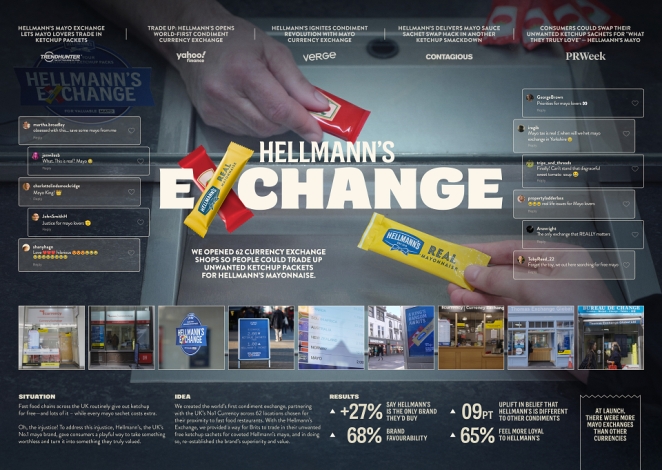
Consumers today demand that brands act responsibly and transparently. Fairness and purpose are now baseline requirements. In Capgemini’s 2026 consumer report, an overwhelming 71% of shoppers said they would abandon a brand if it cut product quality or size without notice.
In other words, hidden price hikes or “shrinkflation” without communication will cost brands dearly. Similarly, consumers prize transparency: clear, honest information about ingredients, sourcing, pricing and practices. Capgemini notes that brands demonstrating “reliable, transparent, and ethical standards” see higher loyalty.
This connects with sustainability and social values. Ethical sourcing and environmental action are no longer optional luxuries. More sustainable products are now the norm. Even everyday essentials must carry an honest green story, or brands risk irrelevance.
In practice this means clear eco-credentials, green claims backed by data, and more focus on circular business models (repair, reuse, recyclability). Brands like IKEA and Patagonia – which openly show their carbon goals and give customers ways to act (repairs, recycling, etc.) – are prime examples of meeting this new baseline.
Beyond the environment, consumers even want brands to take stands on social issues. The era of “silent” corporate responsibility may be over: Sprout Social reports that nearly half of consumers are now more likely to buy from companies that speak out on causes or news topics aligned with their values. In other words, people remember and reward brands that articulate a principled stance. The caveat is that this must be done authentically. (“Woke-washing” or empty virtue-signaling only backfires – today’s shoppers can smell insincerity.)
In summary, brands must embed ethics deeply in their DNA. That means:
Be Transparent: Clearly communicate pricing, ingredients, and changes. Avoid hidden fees or shrinking pack sizes without notice. If costs rise, explain why (e.g. fair wages, supply-chain challenges). Consumers will reward honesty.
Emphasise Fairness: Ensure quality and value for money. Promotional bundles (like guaranteed fast delivery or extra service) are in demand – 61% say such value-add combos are worth paying extra for. These assurances signal fairness and convenience.
Live Your Values: Don’t just talk values, demonstrate them. Highlight sustainability efforts, community projects and ethical practices in marketing. Brands that prove “reliable, transparent and ethical standards” see loyalty gains.
Champion Causes Authentically: If your brand takes a public stand, make sure it’s consistent and relevant. Align with issues that matter to your core customers. Done right, this can deepen trust – nearly half of consumers now favour brands that do this.
AI-Savvy Consumers and the Demand for Authentic Creativity

Bray Leino
Technology continues to reshape consumer habits, but ironically it has also fueled a craving for the human touch. Next-generation audiences have grown up with smart devices and generative AI assistants, so they’re AI-literate: they expect instant personalisation and context-aware experiences from brands.
Speed is now a given and becomes almost a baseline expectation, with hesitation becoming the real constraint for bringing ideas to life. In practice, this means seamless AI-driven chatbots, search and recommendation engines should serve customers in real time, with deep personalisation and understanding.
Yet this very AI flood has made consumers skeptical of over-produced, “too perfect” content. After the deluge of AI-generated posts in 2025, many people are actually craving authenticity and imperfection in 2026.
For example, influencer agency research found that only 26% of consumers now prefer AI-generated creator content, which is down from 60% in 2023. The vast majority want real human creativity. What does this look like for brands? It means digital efforts must still feel human.
Relatability will be key, so less polish and more real-world. In other words, people want videos that look shot on a smartphone, stories that feel unscripted, and genuine voices rather than a slick CGI avatar. Consumers want to see and feel the craft behind a campaign – they will spot AI shortcuts a mile away.
“In 2026, consumers will seek out authentic creativity,” predicts experiential designer Diandra Elmira of Imagination: “In 2026, consumers will seek out authentic creativity. With AI generated imagery getting more real, and language systems becoming smarter, consumers are becoming increasingly sensitive and naturally sceptical to what feels automated versus what feels human. That’s not to say AI doesn’t have a place in creativity, it most definitely can be used to unlock new and unexpected applications and ideas, and this is not about that. The issue arises when AI is used blatantly as a shortcut for example to replace the time it takes to thoughtfully craft a campaign, or to do the hard work of ideation within a project. Consumers are far more perceptive than we think, and they’ll clock that out quickly.”
In short, consumer expectations of AI and tech are high, but so is their demand for authenticity.
So, what should the brand response be here? Simple. Use AI as an assistant, not as a crutch. Let algorithms handle data, personalisation and mundane tasks, but keep the creative spark human-led. Invest in storytelling with real people, context and texture. For example, highlight craft techniques in your ads, share BTS videos of your team making the product, or explicitly note “no AI used here” as a badge of honor.
Embrace imperfection too. Hand-drawn elements, unpolished typography and even the odd typo can feel more honest than a flawless but soulless design. Brands that lean into genuine, messy creativity will stand out in a sea of AI sameness.
Economic Realism: Value, Simplicity and Wellness

Beano Studios
Even as values matter, economic pressures remain front of mind. The cost of living is still pinching households, so consumers are re-prioritising essential spending. In Nielsen surveys, nearly one-third (32.8%) of shoppers said they feel financially worse off than a year ago, with 73% blaming rising costs. In practice, this means more money goes to staples like food, health and home care while “big-ticket” extras get cut. Numerator’s data confirms inflation is “the defining force” of 2025, with 37% of Americans naming rising prices as their top concern.
The result is a clear value-driven mindset. Economic stability now outweighs many other concerns: Experian reported recently that environmental worry fell from #4 to #9 in global rankings, while financial pressures moved to the top. Values do still matter though and people still want responsible brands, it’s just that those values must align with their budgets. In other words, eco-friendly laundry detergent is great, but only if it isn’t outrageously priced.
We see this tension everywhere. Escalent highlights that while over 40% of consumers are willing to pay more for products aligned with their values, more than 60% still prioritise value in their purchasing decisions. That 60% is huge because it means most consumers will compare prices and hunt for deals above all else.
In fact, Numerator reports a bifurcating (K-shaped) economy: wealthier households still indulge in travel and entertainment, while lower-income shoppers sharply cut back on everything except essentials. This split means brands must balance premium offerings with affordable ones and ensure nobody feels left out.
In response, shoppers expect simplicity and transparency in shopping. They don’t want to comb through endless options or hidden fees. Consumers today favour straightforward experiences like clear pricing, easy recommendations, and frictionless checkouts. For example, they want bundle deals and subscriptions that truly save money.
Capgemini’s study even found 74% of people switch brands if they find lower prices elsewhere, and 61% value bundled offers with extra perks like faster delivery. In other words, free fast shipping or a loyalty program can justify a slightly higher price in the consumer’s eyes.
The response here should be to adapt to tighter budgets by making value obvious. This could include transparent pricing (no bait-and-switch), clear-value bundles and tiered options so consumers can trade up or down as needed. Use data to tailor offers: segment your customers by financial mindset and serve discounts or premium experiences accordingly.
Simplify choice architecture (fewer SKUs, clear labels, easy presets) so shopping is intuitive. For instance, a cosmetics brand might offer a curated “starter pack” at a budget price, alongside a more deluxe kit for those who can splurge. Also, emphasise the emotional payoff: if something costs more, be explicit about its ethical or quality advantage (e.g. “We offset the extra cost of cocoa butter by supporting fair-trade farmers”).
Finally, wellness and affordability will always intersect: consumers want products that support health and money. With healthcare costs climbing, there’s an appetite for “clean living” – simple, transparent products that promise wellbeing without hidden junk. Brands in food, beauty and home can play into the “less but better” mindset by highlighting core benefits and honest sourcing. Overall, winning in 2026 means respecting that economic reality shapes every purchase, and meeting consumers where their wallets are.
Platform Fatigue and the Rise of Community
The Kitchen @ Kraft Heinz
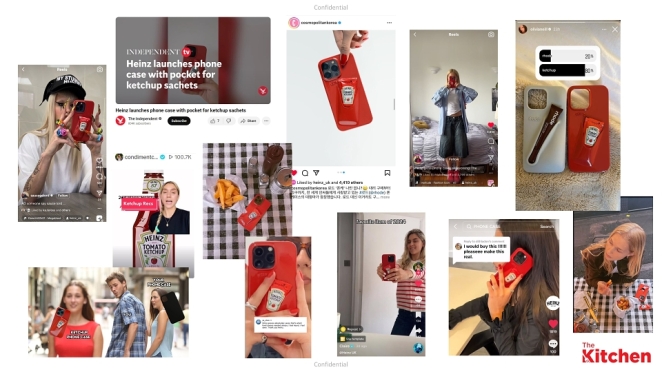
On the media side, consumer attention is fickler than ever. With dozens of apps vying for eyeballs, people are feeling burned out by constant content and ads. The result: an appetite for quieter, more intentional forms of engagement. Lia Haberman’s recent survey of marketers found that the “newsletter renaissance is real, driven by platform fatigue”.
In fact, nearly two-thirds of brand marketers say they plan to invest more in newsletters for 2026 – a sign that email and long-form content feel like a welcome break from the endless scroll. Podcasts and blogs are also gaining attention as consumers seek deeper, more on-demand ways to connect with interesting ideas on their own schedule.
Meanwhile, on social media itself, the quantity-over-quality approach is losing steam. Consumers admit they can barely keep up with the firehose of videos and posts, let alone engage deeply. In this landscape, brands need to post less frequently and more purposefully. Rather than chasing every trending meme, the key is to build a sense of community. In practical terms, this means treating your audience like insiders.
Treat your audience like a community, not just customers. Give people inside jokes. Let them feel like insiders. Make them proud to be part of your story. Because people want to belong to something, especially online, so brands that foster a shared identity (even a small one) will win loyalty.
We’re also seeing growth in niche and “direct” platforms. LinkedIn’s rise outside of B2B is one example of a place people use more intentionally. Emerging channels like Substack, Bluesky or even private messaging groups are taking off as antidotes to social overload.
Substack, in particular, is seeing substantial growth because it offers direct audience access and more intentional engagemen” than a regular social feed. Indeed, a range of brands and creators are building their own email lists, Discord servers or membership clubs to maintain direct relationships without fighting algorithms.
Brands need to use all owned and community channels. Ensure you’re not over-relying on one app or algorithm. Invest in building newsletter lists, branded podcasts, virtual events or even local meetups – wherever your audience wants real connection. On social media, prioritise quality over quantity: focus on a few platforms where your community engages, and create events (giveaways, challenges, Q&A sessions) rather than endless broadcasts.
For example, a fashion brand might host a live-streamed workshop on crafting, or an Instagram series where fans submit designs. The idea is to make people feel seen and involved. Even a low-fi TikTok trend can spark massive belonging; brands should aim to create those moments that make people feel seen and heard. Lean into the small, meaningful space approach (newsletters, groups, forums) and treat audience members as co-creators, not just passive consumers.
Experience Over Products: The New Value Currency

Grand Visual
Alongside values and community, the modern consumer is choosing experiences over possessions more than ever. Reports show that spending on travel, dining and other memorable activities is outpacing spending on tangible goods.
For instance, Airbnb saw bookings of 491 million nights in 2025 (worth $82 billion) as people chase immersive getaways and unique stays. Consumers want stories to tell and moments to feel, rather than accumulating stuff that sits on a shelf.
This has implications for how brands sell. Even non-travel companies can build experience into their offers. Retailers host pop-up events, product launches become parties or performances, and customer service becomes part of the show (think barista artistry or live demos). Luxury and sports brands are opening concept stores with art installations.
Dining is also evolving: restaurants and food brands run themed tasting events or subscription “culinary journeys.” Essentially, anything that adds an element of discovery or fun can help justify the spend.
Brand response: Infuse your products with experience. If you sell a physical product, think about ways to attach an event or community aspect. For example, a coffee brand could sponsor local coffee-tasting meetups, or a fitness apparel line could organise online workout festivals. Even the packaging and unboxing of a product can be a performance (some tech brands stage countdown events for new releases). The goal is to turn a purchase into a “moment.”
At the very least, give consumers ways to customise or interact around your offer – personalisation tech, AR try-ons, or a branded playlist can all make shopping feel more like an experience. Brands like Nike and Red Bull have long mastered this; in 2026, expect more categories to follow their playbook by treating service as part of the product.
The Renaissance of Craft and Individuality
Martin Reznik
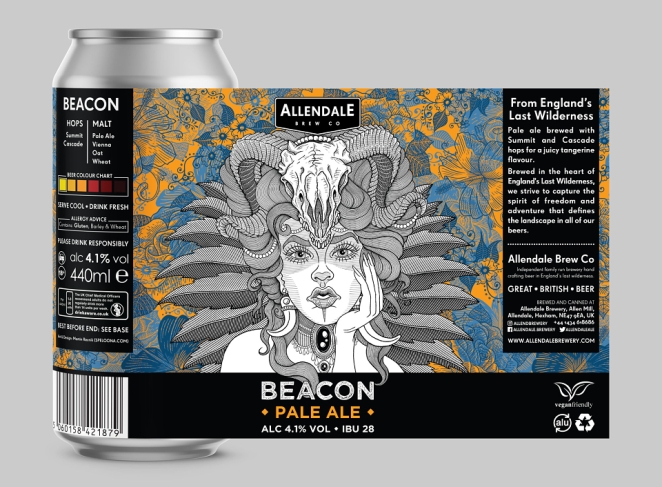
Many of these trends converge on one theme: the human touch as the new luxury. In response to all the automation around them, consumers are rediscovering the value of personal creativity and craftsmanship. As Elmira noted earlier, individual style and handmade artistry are gaining new cachet: products or campaigns that shout “no AI involved” will stand out.
We’re already seeing it in culture: fashion houses like Hermès, Loewe and Valentino are increasingly spotlighting their artisans and collaborators. Luxury brands now often release behind-the-scenes videos of their ateliers or partner with independent artists to add “weirdness” and originality. In streetwear and beauty, limited-edition collections often feature hand-painted logos, artisan fabrics or even consumer-crafted designs.
The message is clear – scarcity and idiosyncrasy are precious. The quirks of human-making (a slight misprint, a hand-stitched seam, a painter’s brushstroke) become selling points. As Elmira succinctly puts it, “weirdness, imperfection, and craft will be the new luxury.”
For agencies and creatives, this means revisiting old-school techniques. Film photography, letterpress printing, sign painting, textiles – anything tactile – is making a comeback. Even social media content is favouring “user-generated” and lo-fi aesthetics over slick animation.
Gen Z especially prizes the idea that “this was made by a real person” – think homemade TikToks over glossy commercials. Marketers should therefore give skilled “craftspersons” in their teams (photographers, illustrators, set designers) the budget and time they need. Real, tangible creativity will cut through.
So, celebrate human creativity. Commission artists, spotlight your makers, and intentionally include “flaws” as part of the style. Consider adding disclaimers like “crafted by hand” or “0% AI” when it’s true – these will carry weight. Use storytelling to highlight the origin of your ideas (e.g. an Instagram series on the designer who hand sketches each product). Turn the perceptible quality of making into an asset. “Zero AI was used” can be a selling tagline.
How Should Brands Respond to Changing Consumer Behaviour?
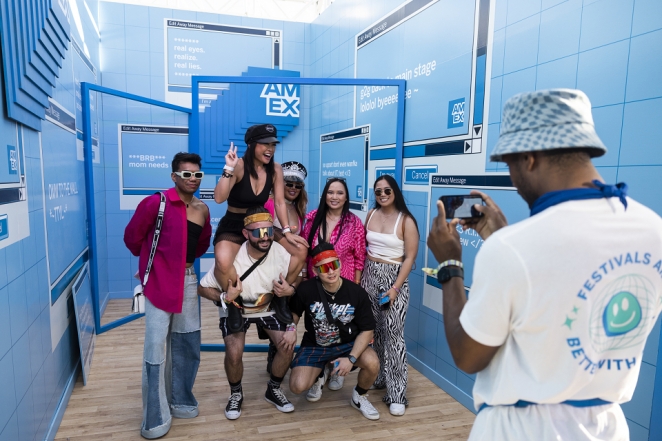
Momentum Worldwide
Putting it all together, the winning brands of 2026 will be those that listen and adapt – blending data-driven insight with genuine empathy. In practice, that means:
Embrace transparency and values: Bake honesty into your brand narrative and operations. Communicate openly about pricing, quality, and environmental/social actions. If you say you care, show it through measurable commitments.
Personalise without patronising: Use AI and analytics to tailor offers and messages, but keep them relevant to what real people want. Offer clear value that respects budget concerns.
Amplify human stories: Give your campaigns a human face and a craft-based angle. Tell the stories of your creators, customers or employees. Highlight the human process behind the product. For example, feature unedited photos or authentic customer testimonials rather than stock images.
Build community, not just audiences: Invest in owned channels and meaningful interactions. Create forums, newsletters or local events where customers can gather. Focus on engagement and co-creation. A small, loyal tribe will be more valuable than millions of passive impressions.
Design with experience in mind: Wherever possible, turn transactions into moments. Whether it’s a virtual event, an immersive pop-up or an online challenge, give people a reason to become part of your brand story. These experiences build emotional loyalty beyond the price tag.
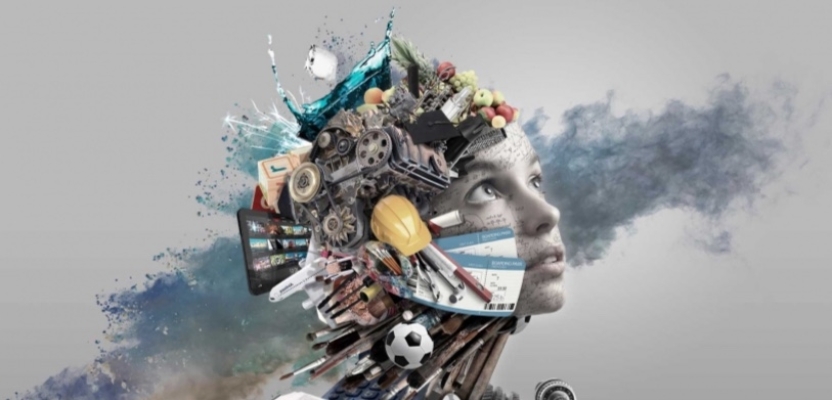
People’s heads and hearts are where brand strategy must start. Data and AI will guide our choices, but empathy and ethics must lead the way. The future belongs to brands that listen, adapt and lead. By aligning with these cultural shifts and digital consumer trends brands will be able to shape consumer buying behaviour and not just survive, but earn lasting loyalty well beyond the confines of this year or even this decade.