



Retention isn’t just a metric in the creative sector—it’s a marker of trust. Flashy campaigns and smart ideas may win the pitch, but what keeps clients coming back is far more human: consistency, communication, and connection. And in an increasingly competitive industry, longevity isn’t luck. It’s leadership.
Michelle Rigot, Group Creative Director at YAMA Group, puts it plainly: “In a Creative leadership role, I fully acknowledge I’m no longer just in the business of creating cool shit, I’m in the business of creating cool shit plus retaining our clients – and growing our relationships with them.”
It’s a shift many creative leaders experience as they move up the ranks—realizing the job is no longer only about the work, but about the people. Not just about what you make, but about how you build relationships that make room for more.
Trust, Communication, and Output
In pharma marketing, the high-stakes space where YAMA Group operates, creative excellence is a given. What separates good teams from great ones is their ability to consistently deliver and connect. “Client retention and growth require trust building, clear communication, and consistent delivery of show-stopping work,” Rigot says. “And this is true whether we’re speaking of relationships with clients or our relationships internally.”
Too often, creative teams focus on impressing clients with final output, when the real retention power lies in the process. Are you listening? Are you showing up? Are you clear, honest, and collaborative in every interaction? These soft skills aren’t secondary. They’re foundational.
The Death of Us vs Them
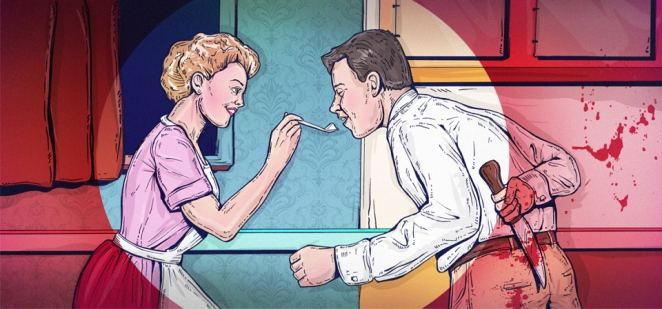
Rigot is candid about unlearning the adversarial frameworks many of us inherited in traditional agency culture: “If you grew up, like me, in an agency world of Us vs Them—Externally, it was the Agency vs Client; internally, it was Accounts vs Creative—that mentality was the antithesis of creative spark.”
This kind of internal division or external defensiveness not only kills momentum, it drains trust. Clients become wary. Teams stop communicating. Innovation stalls. Rigot has replaced that mindset with a different framework: a Yes/And culture.
“A No/But mentality kills relationship building and clear communication,” she says. “I’m much more of a Yes/And practitioner, actively seeking solutions, together.”
That one mindset shift changes everything.
The Yes/And Playbook
If retention is built on trust, then trust is built through practice. Rigot describes how her team builds this into every step of their client relationships:
- Set expectations early. Define goals and deliverables together.
- Maintain regular touchpoints. Stay connected, not just reactive.
- Invite feedback. Don’t wait for the review round to find out how it’s going.
- Guide the conversation. Rigot and her team ask clarifying questions, paraphrase what they’ve heard, and ensure alignment throughout.
“We Yes/And the hell out of it,” she says, “empowered to guide client conversations by asking questions, listening, repeating back what we feel we heard, and so on. At each step, we’re collaboratively engaging so clients feel heard and seen throughout the Creative process.”
This is more than process. It’s presence. It’s an investment in the relationship that pays off in trust—which then pays off in longevity.
Exceeding Expectations, Earning Advocacy

Retention is step one. Growth is the multiplier. When a creative team earns trust, exceeds expectations, and does so with clarity and humility, clients don’t just stay—they become advocates.
“When we meet and exceed expectations in this manner,” Rigot explains, “our Creative Team reinforces the trust our clients place in us – and that not only retains them, it gets them talking about us to their colleagues, which grows our relationship further.”
Word-of-mouth may be old-school, but in industries like pharma, it’s still gold. Colleagues talk. Recommendations matter. And a team that consistently overdelivers—without ego or defensiveness—becomes a magnet for new business.
Empowerment Inside and Out
Long-term relationships aren’t just client-facing. They start internally. A creative team that trusts each other, communicates well, and is aligned on goals will naturally reflect that outward.
Rigot draws a direct line between internal culture and client relationships. “It all ladders up to fostering and maintaining a spirit of collaboration and connection – where clients feel like partners in the creative process and the internal Creative Team feels empowered to be their thought partners along the way.”
Empowered teams create empowered clients. And when clients feel like partners, they act like partners. They stick around. They bring new work. They expand scope.
From Transaction to Trust
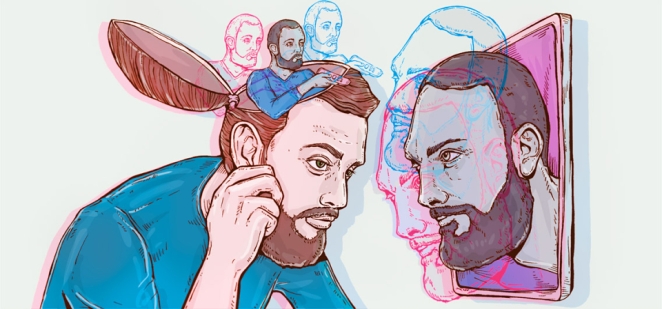
Retention isn’t a tactic. It’s a philosophy. It’s the daily, deliberate act of showing up with integrity, clarity, and empathy. It’s building real partnerships, not transactional projects. And in the creative sector, where ideas are intangible and expectations are high, it’s the secret to sustainable growth.
So next time you’re thinking about client retention, don’t start with incentives. Start with alignment. Start with how you communicate. Start with how your team listens. And Yes/And your way forward.
Because as Michelle Rigot reminds us, creating cool sh*t is just the beginning. Retaining and growing relationships is where the real magic happens.