


So, you’re a graphic designer living the creative dream – pantone swatches in one hand, coffee in the other, and a hard drive full of artworks that might one day pay off. But in case you haven’t noticed, the creative economy can be as predictable as British weather. One minute you’re riding high on a big client project; the next, you’re refreshing your inbox in pyjama pants, wondering where everyone went. Relying on just a single paycheque these days is financially like walking a tightrope without a safety net. In other words: yikes.
The truth is, whether you’re freelancing from a home studio or working in-house at a hip design firm, diversifying your income is no longer just a buzzword – it’s a survival tactic. In an unpredictable creative economy (where algorithms change, trends flip overnight, and surprise! pandemics happen), having multiple revenue streams is your money mojo. In fact, a 2023 Stripe survey found that nearly 44 percent of creators juggle various income channels, from brand deals to merch sales to Patreon subscriptions. If they can do it, so can you – and you might even have a little fun along the way.
Below, we’ll explore practical, creative ways to make more moolah beyond your regular design gig. From passive income ideas that earn cash while you snooze, to side hustles that ignite your passion (and maybe pay for that Adobe subscription), to teaching and licensing your work – consider this your guide to becoming a true multi-stream Design Hustler Extraordinaire. Grab a coffee (make it a double), and let’s dive in.
The Unpredictable Creative Economy (Why One Income Isn’t Enough)
Natalia Tylik
Before we hit the how-to, let’s set the stage. You’ve heard the horror stories: talented designers still living on instant noodles because a client bailed, or full-time creatives scrambling when layoffs hit. Creative entrepreneurship can be a rollercoaster with peaks of success and valleys of uncertainty. Markets evolve, clients come and go, and new tech – hello AI – can disrupt demand for certain skills. If your entire livelihood rests on one paycheque or one type of work, you’re effectively balancing on one leg – and it only takes a small push (or one slow season) to tip over.
Diversifying your income is about adding a safety net beneath that tightrope. Multiple revenue streams mean that if one dries up, you won’t be left high and dry. Think of it as financial cross-training: just as a good workout mixes cardio, strength, and flexibility, a robust designer income mixes different sources, some active and some passive. Not only does this give you stability, but it can also boost your creative growth. Trying new money-making ventures forces you to learn new skills, meet new people, and expand your personal brand.
And no, diversifying isn’t just for freelance hustlers – even in-house designers can benefit. Sure, you have a salary, but what if you want to save up for that dream vacation to Tokyo or cushion against an uncertain economy? A little extra on the side never hurt. Just be mindful of your employment contract; no side hustles that get you in trouble with HR, please.
So, if you’re ready to transform from a one-trick pony into a whole circus of skills, let’s explore the many ways to earn beyond the paycheque. Spoiler: it’s more doable (and enjoyable) than you might think.
Passive Income: Design It, Set It, (Mostly) Forget It
Audrey Xu
Imagine waking up to find you made money overnight, and not because you sleep-walked to an ATM. That’s the allure of passive income – earnings with minimal ongoing effort. Now, “passive” doesn’t mean money materializes by magic; you’ll put in some upfront work, but once the machine is running, it can chug along with only occasional oiling. For designers, there are several ways to make your past work or spare-time creations keep paying you back.
One approach is to sell design templates and assets. Those hours you spent perfecting a brochure layout or icon set can be repurposed. There’s a huge market of non-designers and time-strapped creatives hunting for ready-made templates and assets. Presentation decks, social media graphics, resume and CV templates, UI kits, icons, fonts, and even Procreate brushes all have eager buyers. Create them once, upload to marketplaces like Creative Market, Etsy, GraphicRiver, or Shutterstock, and let the downloads trickle in. Each sale might be small, but it adds up while you focus on other things.
Another option is print-on-demand merchandise. Got a quirky t-shirt idea or a cool graphic that would look smashing on a mug or tote bag? Services like Printful, Printify, and Redbubble handle printing and shipping for you. You upload your designs, list the products in an online shop – on your own site or marketplaces like TeePublic – and the service takes care of the rest. Designers with a dedicated fan base often do especially well here. One word of advice: test your designs and gauge interest before ordering hundreds of items. Mock up your product and ask your audience if they’d buy it; the feedback might save you from a closet full of unsold goodies.
Beyond templates and merch, consider other digital products and resources. E-books, design resource bundles, how-to guides, or software add-ons like Illustrator brushes or Lightroom presets are in demand. If you’re a colour theory wizard, you might sell a PDF guide to choosing palettes. A typography nerd could create a font-pairing cheat sheet for a few bucks. Digital products require no inventory or shipping and can reach a global audience. Platforms like Gumroad and Shopify make selling straightforward.
Content channels also offer semi-passive revenue. If you run a design blog, YouTube channel, or Instagram page, you can earn through ads or affiliate links. A design YouTube channel can make money from YouTube’s ad program once it hits the thresholds, and a blog can use Google AdSense or affiliate marketing. Some creators secure sponsors for their channels. The goofy TikTok tutorials you make could eventually pay off beyond the likes dopamine.
Side Projects and Hustles: Your Creative Playgrounds (That Pay)

Bernard Bleach
Side projects are passion-fuelled ventures outside your main gig. They’re fun, liberating, and they can also be money-makers. Sometimes a side hustle outshines your primary work. A marketing manager might grow an art side business into a six-figure online brand selling art and merchandise, ultimately earning more than the day job.
Freelancing on the side can be a smart move. If you’re in-house, you might take on a few freelance projects during evenings or weekends – a logo for a friend’s startup, a poster for a local event, or a simple website. It’s active work, but you choose projects that excite you and set your own pace. This expands your network and can lead to bigger opportunities, all while preserving your salary.
Building your own brand or product can also pay dividends. Maybe you design and sell a line of enamel pins or launch a niche apparel brand. The internet makes it easy to set up shop through Etsy, Shopify, or Instagram. Your designer eye is a huge advantage – you create products that look amazing. Marketing and logistics will be a learning curve, but many designers have turned hobbies into successful ventures.
Collaboration can spread the workload and spark new ideas. Team up with a developer to create a design app or plugin, or partner with an illustrator friend on a small art book or zine. Dividing tasks makes challenging projects more manageable and fun.
Some designers follow a “one for them, one for me” approach, balancing client work that pays the bills with personal projects that feed the soul. Corporate brochures by day and funky art prints or fonts by night can lead to multiple income streams and personal satisfaction.
Start small, pick projects you love, and balance them with rest and your main responsibilities. If a side venture really takes off, you might face the pleasant dilemma of choosing which paycheque to focus on full-time.
Teach, Share, and Monetize Your Know-How
Tristan Paul Guinid
You’ve spent years honing your skills and surviving critique sessions. There’s an audience willing to pay to learn from you. Teaching and mentoring can be lucrative and rewarding.
Online courses and workshops are in high demand. Platforms like Skillshare, Udemy, and Domestika want fresh classes. You could record a course on logo design, mastering freelance contracts, or watercolour lettering. Teachers on Skillshare report significant earnings based on watch time. If you prefer live interaction, host workshops on Zoom or at local art centres. Hosting your own course on your website gives you full control and revenue but requires marketing.
If a full course seems daunting, start smaller with educational content on YouTube or Instagram. Quick tip videos or process walkthroughs can build a following. Once your audience grows, you can monetize through ads, sponsorships, or directing viewers to paid content. Establishing yourself as an authority can lead to free products to review and paid speaking gigs.
Mentoring and consulting offer another revenue stream. Offer portfolio reviews, career advice, or specialized training on an hourly or package basis. Platforms like Patreon or dedicated coaching sites can facilitate this. Teaching reinforces your expertise and provides a flexible income.
Writing about design is another path. Contribute articles to blogs (some pay for submissions), write an e-book or print book, or launch a paid newsletter. A niche newsletter can earn through subscriptions or sponsorships once you have a solid readership. Book royalties add up over time and boost your credibility.
License to Earn: Turn Your Work into Royalties
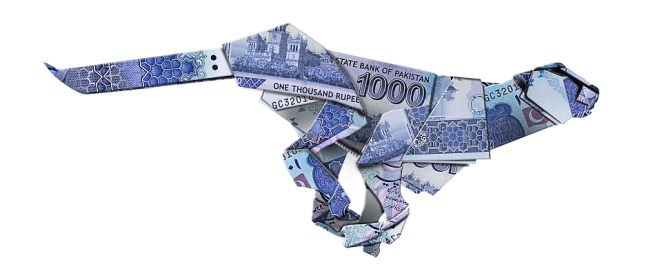
Najeeb Designer
Unused or personal designs can generate royalties through licensing. Upload illustrations, patterns, icons, or photos to stock platforms like Adobe Stock, Shutterstock, or iStock and earn every time someone downloads your asset. The payout per download might be small, but popular graphics can accumulate substantial earnings over time.
Pattern and surface design licensing lets you license art for products like notebooks or textiles. You might receive an advance payment plus royalties, typically ranging from 3 to 10 percent of sales. Building a portfolio of patterns and pitching to brands at trade shows or through agents increases your chances of landing deals.
Custom typefaces and software assets also command royalties. Platforms like MyFonts pay you for each license sold. Even a unique display font can find a market. UI icon sets and other design assets are similarly licensable.
Your archive of designs can be a goldmine. Repurpose abandoned concepts or client rejects as stock or template items. Just ensure you retain full rights. Marketplaces for logo reselling are another avenue for unused logo concepts.
Always read licensing agreements carefully. Exclusive deals pay more but restrict your usage; non-exclusive deals pay less but let you license the same art to multiple parties. Negotiate professionally to secure fair compensation.
Beyond the Obvious: Quirky and Clever Income Ideas
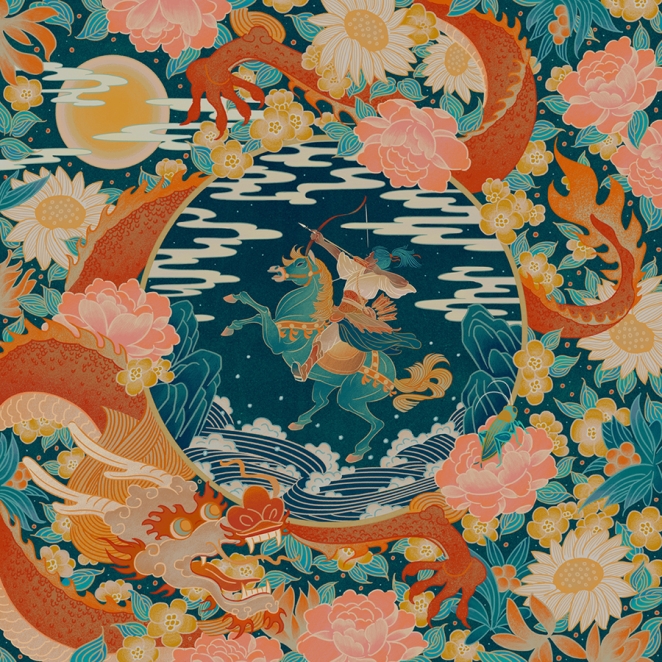
Feifei Ruan
Affiliate partnerships allow you to earn by recommending products on your blog, YouTube channel, or social media. Sign up for programs like Amazon Associates or Adobe’s affiliate program and earn commissions on sales generated through your links.
Sponsored content and brand collaborations can bring fees or free products. Software and hardware companies often partner with designers to produce tutorials, reviews, or social media campaigns.
Speaking engagements at conferences, webinars, and corporate events can be lucrative and come with travel perks. Public speaking also enhances your personal brand and opens doors to further opportunities.
Crowdfunding for creative projects on platforms like Kickstarter and Indiegogo lets you pre-sell products such as limited-run art books or designer playing cards. Success earns you funds upfront and generates buzz.
Community memberships through Patreon or similar platforms let fans support you monthly in exchange for exclusive content, behind-the-scenes access, or private chats. A modest membership base can cover subscriptions and other expenses.
Consulting on branding strategy, user experience, and creative direction commands higher rates than execution work. Businesses pay for your insights and problem-solving skills rather than just design execution.
Livestreaming your design process on Twitch or YouTube Live can attract viewers and donations. The sense of community and real-time interaction can translate to income from subscriptions or tips.
The NFT space saw designers earning significant sums selling digital art collectibles. While the hype has cooled, it shows how new platforms and technologies create novel revenue streams. Always research thoroughly before diving in.
Wrapping Up: Embrace the Multi-Stream Life
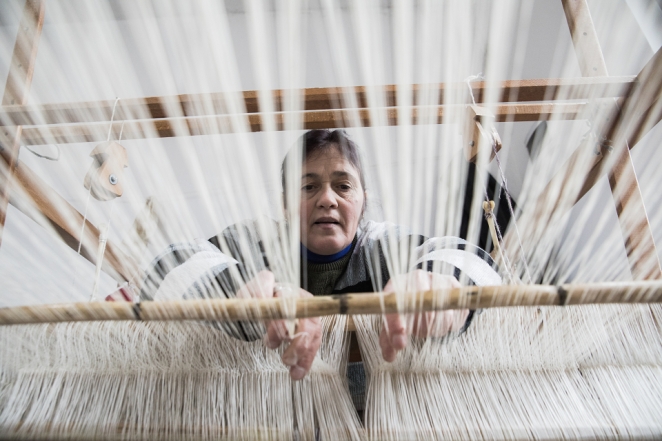
Guido Caltabiano
We’ve covered a buffet of income ideas – from passive earnings to spicy side hustles and quirky ventures. The message is simple: as a designer, you are not limited to one paycheque or one path. Having multiple income sources makes you more resilient and often more creative. Each new venture teaches you something and enhances your personal brand.
Start small and strategic. Pick an idea that excites you and dedicate time to it. You can scale up later. Multiple income streams build over time. Stay authentic and focus on what you genuinely enjoy. Treat your side gigs with respect and manage your time carefully. Avoid burnout by scheduling downtime.
Adapt and evolve. Not every idea will work for you, and that’s fine. Pivot to what succeeds and remain open to change. A multi‑stream income strategy helps you weather downtime and build long-term sustainability.
Going beyond the paycheque is about empowerment. It gives you control of your financial destiny in a field known for its highs and lows. It lets your creativity fuel multiple revenue sources. So, embrace the multi-stream life. May your creative ventures flourish, and may you never rely on just one paycheque again. Now go forth and prosper, design daredevil, and when someone asks if you can make a living in the arts, wink and say, “I don’t have one job – I have many.”