



In the creative industry, people are everything. Whether it’s the talent inside your agency or the clients you collaborate with, long-term success depends on building strong relationships. Attracting and retaining top creative talent is only half the battle. The other half is delivering results that keep clients coming back. These two goals are deeply connected. A creative team that feels supported and empowered produces better work. Better work earns trust and loyalty from clients. It’s a cycle—one that, when managed well, builds a thriving business.
Kirsty Hathaway, Executive Creative Director at JOAN London, puts it clearly: “We are a people business. Our output and reputation is entirely based on how incredible our people are, so creating a safe space for all creatives to thrive and feel empowered is imperative.” At the same time, Ben Robinson, Founder at Proud Robinson + Partners, underscores the importance of delivering consistent quality for clients. “Do good work. Be on time and on budget. Be nice to work with. Do two of them and they will stick around for the foreseeable.”
Both leaders offer valuable insights into how to build creative teams that not only drive results but also stay together for the long haul.
Build a Culture That Attracts Talent
For Hathaway, the internal culture of an agency sets the tone for everything else. JOAN London is known for its “joyful rebellion,” but beneath that is a serious commitment to empowering its creative team.
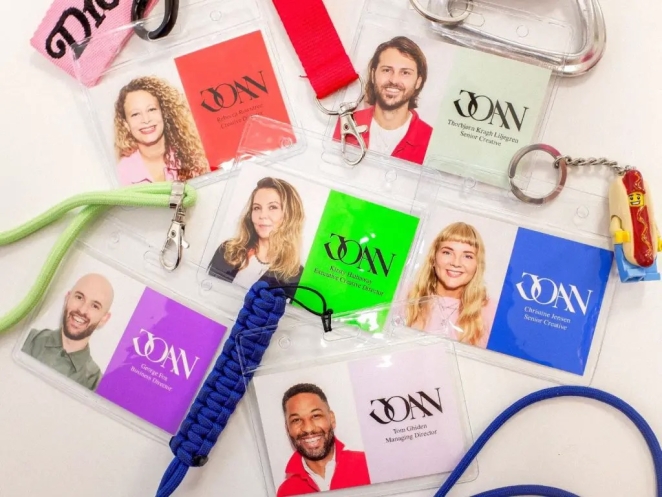
“Somewhere that everybody feels that they have a voice, a seat at the table and that any idea can fly,” Hathaway explains. That kind of space doesn’t appear on its own. It requires intentional leadership. The creative industry can be brutal, and not every place is structured to support risk-taking and bravery. But at JOAN, giving people room to take those risks is non-negotiable.
“But with that, you need to give them room, not micro-manage, and ensure that they know that you’re all on the same mission with the same vision and as the person leading the creative team that you’re there as their biggest champion and supporter,” she adds.
That leadership mindset—champion rather than critic—keeps talent engaged and motivated.
Treat Clients as Partners
Just as teams thrive when they feel supported, clients stick around when they feel truly understood. Proud Robinson + Partners has built its reputation on long-term relationships, with some clients staying for nearly 15 years. For Robinson, the approach is simple.
“I learnt long ago that there are really only three things you need to do to keep clients happy,” he says.
- Do good work.
- Be on time and on budget.
- Be nice to work with.
This isn’t rocket science, but it is hard to maintain consistently. Many agencies can deliver on one or two of these. The rare ones that manage all three tend to build lasting partnerships—and, as Robinson points out, earn referrals that bring in new opportunities.
But it doesn’t stop there. Proud Robinson + Partners goes beyond basic client service. They work to become an extension of the client’s team.
“Our approach has always been to treat clients like partners. This goes beyond simply saying that this is the case. Instead we make it our business to truly know their business, to understand their role and the internal pressures, challenges and opportunities they face and positioning ourselves to be able to best support them in getting the job done well,” Robinson explains.
This approach creates trust, reduces friction, and positions the agency as an indispensable ally, not just a service provider.
Foster a Shared Vision Internally and Externally
Hathaway and Robinson agree: people—whether they are employees or clients—need to feel part of a shared mission.

For creatives, Hathaway emphasizes the importance of aligning their career growth with the agency’s direction. “Ensure that they know that you’re all on the same mission with the same vision and... the work that they are doing is in support of their career as well as the agency's mission.”
For clients, Robinson suggests a similar alignment, but focused on understanding their specific pressures and goals. By taking the time to “truly know their business,” an agency can anticipate client needs and deliver proactive solutions. That’s where real partnership begins.
Create Space for People to Do Their Best Work
Attracting top creative talent requires more than recruitment. Retaining them means building an environment where they can grow. Hathaway stresses giving creatives the room to explore without micromanagement. That freedom makes room for bravery, which leads to bolder ideas.
The same principle applies to client relationships. Agencies often try to control the dynamic too tightly, but Robinson’s approach to partnership is about trust. By deeply understanding a client’s world, Proud Robinson + Partners creates space to offer meaningful input without overstepping. It’s a relationship built on mutual respect.
Do the Basics Brilliantly, Then Go Further

Both Hathaway and Robinson emphasize the fundamentals. For Hathaway, it’s about culture and empowerment. For Robinson, it’s about consistent delivery.
“Do good work. Be on time and on budget. Be nice to work with,” Robinson repeats. Without that foundation, no agency can sustain growth.
But once the basics are covered, going further makes the difference. Hathaway calls it “joyful rebellion.” Robinson calls it “partnership.” Either way, it’s about exceeding expectations—internally and externally.
Invest in Growth—for Teams and Clients
Retention isn’t just about keeping people in place. It’s about helping them move forward.
At JOAN, Hathaway focuses on ensuring that the agency’s work supports both the business and the individual careers of her team. That investment leads to stronger, more loyal teams—and better work.
At Proud Robinson + Partners, Robinson takes a similar approach with clients. By deeply understanding their pressures and opportunities, the agency helps clients succeed in their own roles. That success reflects back on the agency, strengthening the partnership.
Conclusion: People Are the Product

The creative business is, at its core, a people business. As Kirsty Hathaway says, “Our output and reputation is entirely based on how incredible our people are.” As Ben Robinson points out, lasting success comes from delivering on the basics while building true partnerships.
Attracting top talent and retaining great clients isn’t about gimmicks or short-term wins. It’s about building trust, delivering consistently, and creating an environment where everyone—whether a creative or a client—feels part of something valuable.
Do the work. Deliver on time. Be someone people want to work with. Then go beyond. That’s how you build a creative team—and a creative business—that drives results.