

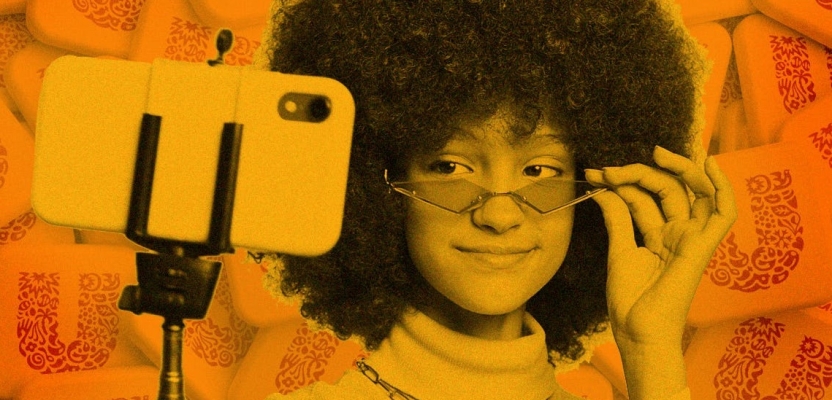

In a move reflecting the evolving landscape of modern marketing, Unilever's newly appointed CEO, Fernando Fernandez, recently announced plans to significantly amplify the company's investment in social media influencers.
This strategy involves increasing their social media advertising budget from 30% to 50% of their total marketing expenditure and hiring twenty times more influencers than previously engaged.
While it might seem like overkill to old-school creatives (me included), it’s a decision underscores a definite shift towards influencer-driven campaigns, whether we like it or not. For me, this poses a compelling question: Are brands becoming overly reliant on influencers, or is this a necessary adaptation to contemporary consumer behaviour?
I thought I’d pose this article as a “for and against” piece and to play devil’s advocate, I reached out to somebody who probably knows more about influencer marketing than just about anyone else in the Creativepool community.
The Case for Increased Investment in Influencer Marketing
By Thomas Walters, Europe CEO and Co-Founder of Billion Dollar Boy

Unilever's strategic pivot towards enhanced social media investment and hiring influencers for collaborations is a direct response to the dynamic shifts in media consumption and technological adoption. Consumers are increasingly migrating from traditional media to digital platforms, often rejecting or actively blocking intrusive advertising formats that disrupt their online experience. In this environment, brands must innovate to capture and retain consumer attention.
This paradigm shift encourages brands to transition from broad, one-way advertising methods—such as television, radio, and out-of-home channels—to more personalized, social media-first advertising strategies. Consequently, global social ad spend is projected to grow by almost 10%, reaching a value of $433.28 billion by 2030.
Unilever's approach to doubling down on creators is particularly astute. They recognize that consumers place greater trust in individuals rather than traditional advertisements. In this new era of advocacy-driven marketing, leveraging the social authority and cultural relevance of creators enables brands to engage with their audiences within the digital communities they inhabit, fostering deeper and more meaningful connections.
Influencer marketing offers several distinct advantages:
- Authenticity and Trust: Consumers are more likely to trust recommendations from individuals they follow and admire. This trust translates into higher engagement and conversion rates.
- Targeted Reach: Influencers often have niche audiences, allowing brands to target specific demographics more effectively than traditional media.
- Cost-Effectiveness: Collaborating with influencers can be more economical than large-scale traditional advertising campaigns, providing a higher return on investment.
- Adaptability and Real-Time Engagement: Social media allows for immediate feedback and interaction, enabling brands to adapt their strategies in real-time based on consumer responses.
By embracing influencer marketing, brands like Unilever position themselves at the forefront of modern advertising, aligning with consumer preferences and technological advancements to drive growth and relevance in a competitive marketplace.
The Potential Pitfalls of Over-Reliance on Influencers
By Benjamin Hiorns, Editor at Creativepool Magazine
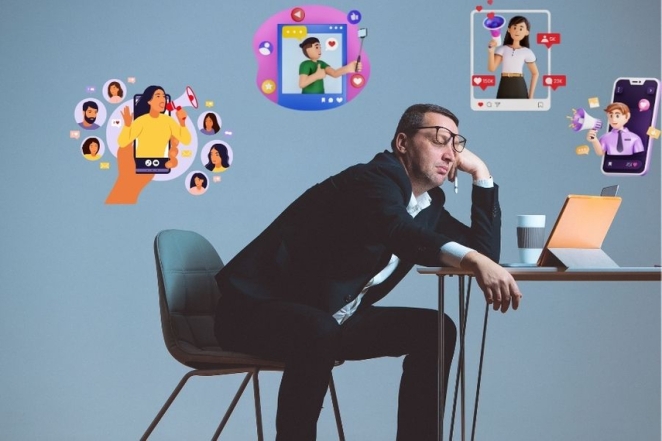
Ah, influencers—those modern-day alchemists who transform hashtags into gold and selfies into sales. It's no wonder brands are flocking to them like moths to a flame, particularly given the golden eggs TikTok seems to have been laying over the past few years. But before we all get ahead of ourselves, let's pump the brakes and consider the not-so-glamorous side of this shiny (not-so) new marketing frontier.
Authenticity: The Unicorn in the Room
Remember when authenticity was the holy grail of branding? Well, in the influencer realm, it's more like a unicorn—talked about endlessly but rarely seen. As influencers morph into human billboards, their once-genuine endorsements start to smell a bit... scripted. And let's face it, today's savvy consumers can sniff out inauthenticity faster than you can say "sponsored post."
Saturation: The Echo Chamber Effect
The influencer market is starting to resemble a crowded elevator—everyone's in there, but nobody's going anywhere. With countless influencers promoting the same detox teas and skincare routines, standing out has become a Herculean task. It's like shouting into a void where everyone's too busy shouting themselves to listen.
Mismatched Marriages: When Brands and Influencers Clash
Not all partnerships are made in heaven. Pairing a luxury brand with an influencer known for their thrift-store chic is a recipe for disaster. Such mismatches can confuse audiences and dilute brand identity faster than you can double-tap.
Metrics: The Wild West of ROI
Measuring the success of influencer campaigns is akin to herding cats. Without standardized metrics, brands are left piecing together engagement rates, impressions, and the elusive "sentiment analysis," often ending up with a mosaic that makes Picasso's work look straightforward.
Algorithm Roulette: The House Always Wins
Placing your brand's fate in the hands of social media algorithms is like betting your savings on a roulette wheel. One tweak in the algorithm, and your carefully curated campaign could vanish into the digital abyss, leaving you with nothing but a hefty invoice and a bruised ego.
Short-Termism: The Fast-Food Approach to Branding
Influencer marketing often offers the fast-food equivalent of brand engagement—quick, tasty, but not particularly nourishing. Focusing solely on short-term gains can leave brands malnourished in the long run, lacking the sustenance that comes from building genuine, lasting relationships with consumers.
Regulatory Minefields: The Compliance Tightrope
Navigating the ever-evolving landscape of advertising regulations is like walking a tightrope over a pit of hungry lawyers. One misstep—like failing to disclose a paid partnership—and your brand could plummet into a PR nightmare, complete with fines and a side of public outrage.
In the rush to ride the influencer wave, brands must tread carefully, lest they find themselves adrift in a sea of inauthenticity, diminishing returns, and regulatory snafus. Balance, as in all things, is key.
Striking a Balanced Approach

Ultimately, it should be about adopting a balanced approach that leverages the strengths of influencers while mitigating potential risks.
- Integrated Marketing Strategy: Combining influencer marketing with traditional advertising channels ensures broader reach and reinforces brand messaging across multiple touchpoints.
- Diverse Influencer Partnerships: Collaborating with a mix of macro and micro-influencers can enhance authenticity and target various audience segments effectively.
- Robust Vetting Processes: Implementing thorough selection criteria for influencers ensures alignment with brand values and reduces the risk of mismatched partnerships.
- Transparent Practices: Clearly disclosing sponsored content maintains trust with audiences and complies with regulatory standards.
- Long-Term Relationships: Building ongoing partnerships with influencers fosters deeper connections and more genuine endorsements, enhancing credibility.
- Continuous Measurement and Adaptation: Utilizing advanced analytics to monitor campaign performance allows for real-time adjustments and optimization of strategies.
By thoughtfully integrating influencer collaborations into a comprehensive marketing plan, brands like Unilever can hopefully capitalize on the benefits of this modern approach while safeguarding against its potential pitfalls, ensuring sustained success in an ever-evolving digital landscape.