



In today’s hyper-connected world, is as much a moral imperative as a business one. High-profile missteps like Gucci’s “blackface” balaclava and Dior’s exclusion of Taiwan from a China map underscore how even unintentional nods can ignite global outrage.
However, there are powerful exemplars of brands that have turned potential landmines into bridges: Gucci’s partnership with Harlem tailor Dapper Dan, ASOS’s Made in Kenya initiative, and Nike’s N7 program all demonstrate how genuine collaboration and respect yield goodwill, authenticity, and sustainable impact.
Drawing on these case studies and expert insights, today I'll explore how brands can navigate the fine line between appropriation and appreciation—balancing creative inspiration with ethical responsibility.
The High Cost of Cultural Missteps
Gucci’s Blackface Sweater
In February 2019, Gucci released a wool balaclava jumper featuring a roll-up collar and oversized red lips, which many consumers likened to blackface. Outcry erupted—especially as the launch coincided with Black History Month—and Gucci swiftly pulled the $890 item, issuing a formal apology and committing to diversity initiatives.
Beyond the recall, Gucci pledged $5 million toward community programs, introduced scholarships for underrepresented fashion students, and hired a global diversity chief to prevent recurrence.
Dior’s Map and Design Blunders
Also in 2019, Dior faced backlash in China after a campus presentation omitted Taiwan from its map—a direct affront to Beijing’s “One China” policy. The house publicly apologized on Weibo, affirming its respect for China’s sovereignty and promising internal review processes.
More recently, netizens accused Dior of appropriating traditional Chinese flower-and-bird paintings on a sweatshirt from its Autumn/Winter 2022 collection. The brand quietly delisted the item but faced organized protests by Chinese students demanding transparency and respect for cultural heritage.
Other Cringe-Worthy Controversies
Beyond these marquee examples, other brands have faltered:
- Dolce & Gabbana’s “Chopsticks” Ad (2018): A tone-deaf Chinese campaign depicted an Asian model struggling to eat Italian food with chopsticks, prompting a $500 million loss as celebrities and consumers boycotted.
- H&M’s “Coolest Monkey” Hoodie (2018): Featuring a Black child in a “Coolest Monkey in the Jungle” sweatshirt, this error led to global protests, store closures, and the termination of ambassador The Weeknd.
These incidents illustrate that insensitive cultural borrowing can swiftly erode brand trust, revenue, and reputation.
When Appreciation Wins: Success Stories
Gucci and Dapper Dan: From Controversy to Collaboration
After initially sparking a plagiarism debate by referencing Harlem tailor Dapper Dan’s iconic 1980s logo designs, Gucci embraced collaboration. In 2017, Creative Director Alessandro Michele invited Dan into the design process, reopening his Harlem atelier and co-creating capsule collections that celebrated both Dan’s heritage and Gucci’s craftsmanship.

This partnership not only repaired relations but elevated authentic Black creativity to the global luxury stage—illustrating how inclusion of cultural insiders from project inception can preempt missteps and foster innovation.
ASOS Made in Kenya: Fair Pay and Partnership
ASOS’s collaboration with Kenyan manufacturer SOKO for its Made in Kenya collection upends exploitative tropes often associated with “African-inspired” fashion. By ensuring living wages, partnering with local artisans, and funding educational and health programs, ASOS imbued its vibrant prints with genuine socioeconomic impact.
Teen Vogue’s factory visit underscored the model’s ethical advantage: instead of extracting motifs, the brand invested in community well-being—demonstrating that appreciation paired with equitable partnership yields mutual benefit.
Nike N7: Empowering Indigenous Youth
Since 2009, Nike’s N7 initiative has partnered with Native American communities to design apparel and footwear that honor Indigenous aesthetics and stories. Collaborations with designers like Chelysa “Chief” Owens-Cyr and the N7 Fund’s grants to youth sports programs have generated over $12 million for Indigenous nonprofits.
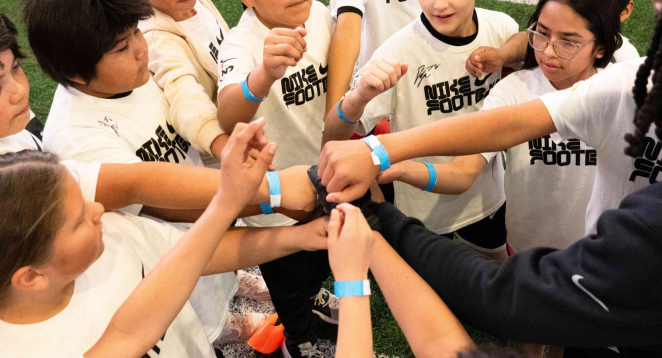
In July 2024, Nike hosted nearly 3,000 Native youth at its headquarters for empowerment workshops, sports clinics, and cultural exchanges—underscoring how brands can reinforce cultural pride while driving social impact.
Another Creative Opinion
Muriel Schildknecht, ECD, Lonsdale Asia
Alongside some truly offensive mis-steps, years of hollow promises and worthy “brand purpose” claims have left consumers feeling mistrustful of attempts to connect with their cultures. Brands, hopefully a bit wiser by now, still have an opportunity to engage by understanding the niche communities that exist within cultures.
In Thailand, home to one of the world’s largest transgender populations, Vaseline launched the world’s first skincare product designed for the particular needs of transgender women following a two-year co-creation process with the community.

For the packaging design, we collaborated with renowned transgender artist Phannapast Taychamaythakool, to create a refined butterfly motif in the midst of transformation — a powerful symbol of transition and growth.
The end product, Vaseline Pro Derma Transition blends into the wider range, while also standing out to a niche community.
Conclusion: Balancing Risks and Rewards
Cultural expression offers brands a rich tapestry of inspiration—but demands responsibility. As the Gucci and Dior missteps demonstrate, ignorance carries steep costs. Yet, as Gucci’s Dapper Dan collaboration, ASOS’s Kenyan initiative, and Nike N7 reveal, genuine partnership with cultural communities not only safeguards against appropriation but can drive creative breakthroughs and lasting goodwill.
In an era where consumers wield collective power via social media, brands that move from appropriation to appreciation—rooted in respect, equity, and authenticity—will stand not only on the right side of history, but at the forefront of global cultural dialogue.