



Advertising, at its most basic level, is meant to reflect the world back at us. It’s a mirror, polished within an inch of its life, angled just so that we see not only ourselves but the shinier, happier, more aspirational versions we might one day become if only we switched our broadband or swapped out our favourite biscuits.
“Advertising is supposed to reflect society. But what happens when you look into the mirror and realise you’re not there?”
But what happens when you glance into that mirror and discover you’ve been cropped out of the shot entirely?
That’s the question Channel 4 has posed with its latest Mirror on the Industry audit – a six-year deep dive into UK TV advertising that makes for sobering reading.
After analysing more than 6,000 adverts, the study reveals just how far adland still must go when it comes to representing the country it sells to.
- Pregnant women? A blink-and-you’ll-miss-it 0.1% of ads.
- Disabled people? Just 4% of ads, despite comprising nearly one in five Britons.
- LGBTQIA+ people? A mere 2%, below the 3.2% recorded in the 2021 Census.
- Plus-size characters? Down to 5% from 13% last year.
- Older people (70+)? Practically invisible, unless flogging stairlifts or starring in charity appeals.
It’s not just underrepresentation; it’s a failure of imagination. And, in a business that prides itself on storytelling, that stings.
Tokenism in Technicolour
One of the audit’s most revealing insights lies in the type of ads where representation occurs. Montage ads (those rapid-fire, slice-of-life collages beloved of insurance brands and supermarket chains) are more likely to include underrepresented groups.
“87% of tokenistic portrayals occur in montage ads. Blink and you’ll miss the diversity.”
On paper, this should be cause for celebration. More faces, more stories, more Britain. But here’s the catch: 87% of tokenistic portrayals occur in montage ads. Which means diversity is too often reduced to a two-second cameo: a wheelchair user at a bus stop, a same-sex couple in the background of a barbecue, a darker-skinned hand reaching for the product before the logo flashes.
Diversity becomes a visual checklist rather than a narrative driver. As an audience, we notice and we’re not fooled.
Aspirational vs Relatable: The False Dichotomy
Advertising has always lived in the tension between aspiration and relatability. Show us who we are, but make them just a bit more stylish, successful and sunlit than we’ll ever be.
The trouble is, when marginalised groups are featured, they’re often trapped at one extreme or the other. The working class are more likely to be portrayed as struggling than confident. Older characters rarely get to be joyful unless they’re bouncing grandchildren on their knees. Plus-size representation plummeted from 13% to 5% in just a year, while those with the darkest skin tones remain the least cast of all.
It’s as though inclusion is fine provided you conform to a polished, palatable stereotype. And that, frankly, defeats the purpose.
Consumers Have Moved On (Even If Brands Haven’t)
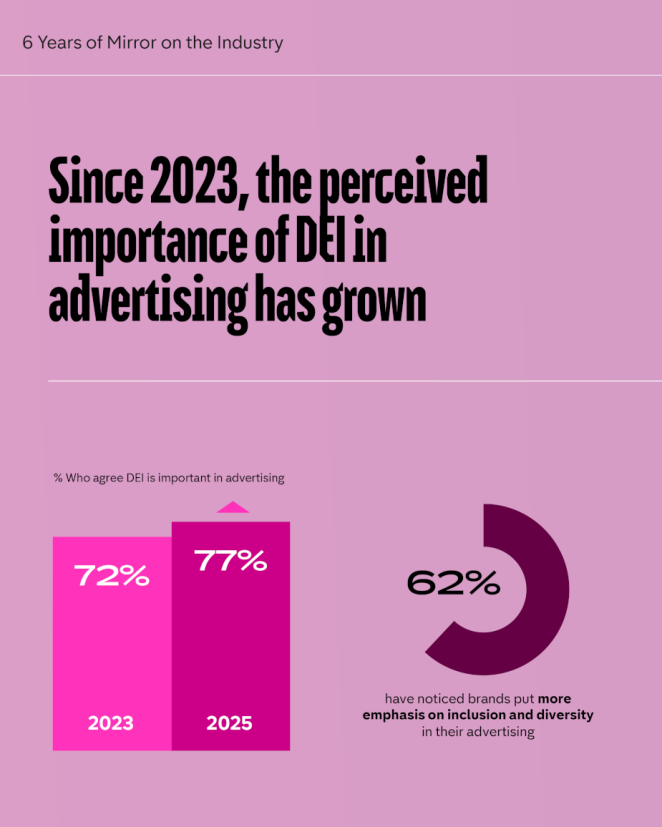
Here’s where it gets really interesting. Channel 4 found that 77% of audiences now say inclusive advertising is important, up from 72% just two years ago. Younger audiences in particular see it as a litmus test: if you don’t reflect them, they’ll walk.
Representation isn’t just nice-to-have, it’s revenue-positive.
And there’s a business case that makes procurement teams sit up straighter. Inclusive campaigns, run in partnership with Oxford University, delivered a 16.2% uplift in long-term sales, were 62% more likely to be first choice, and were 23% less likely to be dropped after trial.
Global Reflections
Britain isn’t alone in its shortcomings. The Global Advertising Representation Report looked at more than a million ads worldwide and gave us all a dismal inclusivity score of 32/100. Only 12% of ad talent had dark skin. Women (who make the vast majority of household purchasing decisions) were cast in fewer than half of all ads.
In the US, representation of non-white talent on TV actually fell by five percentage points last year. And let’s not forget: the Super Bowl, the world’s most expensive advertising stage, had an inclusivity score of just 41.
So yes, Britain has work to do. But globally, advertising still prefers the polished reflection of a narrow elite.
When Brands Get It Right
The good news: we know inclusive ads work, because the industry has made them – and won.
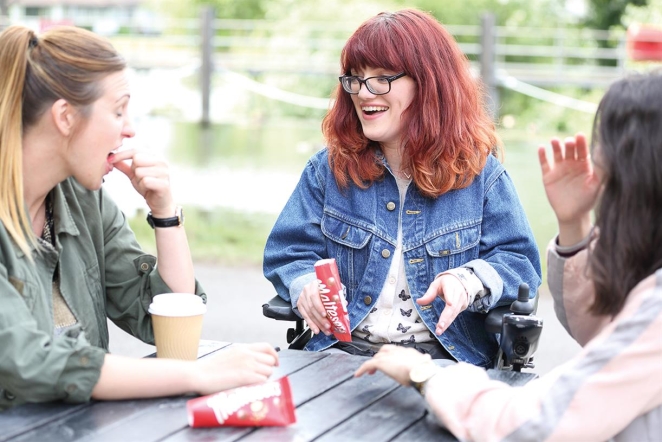
- Maltesers broke ground with campaigns casting disabled actors in everyday, funny situations. Not inspirational, not tragic, just funny, which is rarer than it should be.
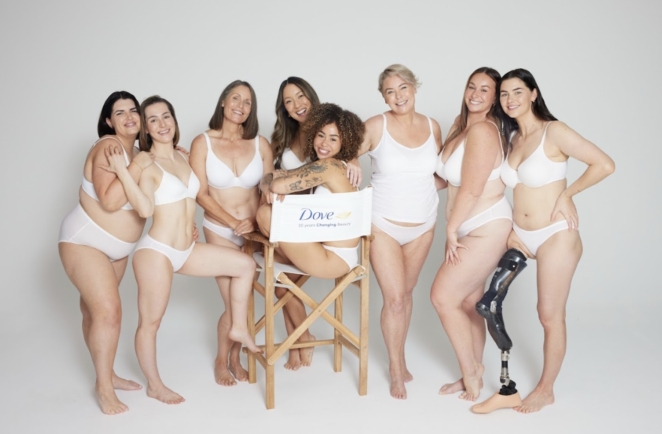
- Dove has built a 20-year platform on challenging beauty stereotypes. Their campaigns featuring women of all sizes, skin tones and ages remain some of the most iconic (and commercially successful) in modern advertising.
- Apple regularly highlights accessibility features in its devices, not as side notes but as hero moments in its campaigns.
- Arla Foods adapted its marketing to reflect Muslim families celebrating Ramadan and Eid, rooted in lived experience. Sales went up, trust went up, representation went up.
These brands didn’t just drop in diverse faces; they told authentic stories. And audiences rewarded them.
What Needs to Change
So where does adland go from here? Channel 4’s report is clear, and frankly, so am I:
- Push boundaries. Stop playing it safe. Tell the stories of people we rarely see on screen. Disabled people shopping. Elderly people dating. Pregnant women doing literally anything other than smiling at ultrasound scans.
- Do the research. Talk to communities. Hire from them. Ground your campaigns in lived experience. That’s how authenticity is built.
- Balance aspiration and relatability. Show the grit and the glory. It’s possible to be both inspiring and authentic.
- Diversify behind the camera. You can’t tell stories you don’t understand. Hire writers, directors and creatives who bring lived perspectives to the table.
The Excuses Are Running Out

Rak Patel of Channel 4 (above) says: “When levels of representation are greater and portrayal is more authentic, the stories we tell become richer, the connections stronger, and the business case undeniable.”
ISBA’s Bobi Carly goes further: “Representation in advertising is not a nice-to-have. It’s a business imperative and a moral responsibility.”
And they’re right. We’ve had six years of audit data now. The excuses (“it’s risky,” “it’s niche,” “we couldn’t find the right cast”) no longer wash.
Advertising doesn’t fail because of a lack of talent or demand. It fails because too many brands treat inclusivity as optional. The truth? It’s not.
The Next Five Years
If the next wave of advertising is to mean anything, it has to normalise diversity until it’s unremarkable. Not “the disabled ad” or “the gay ad”, just ads where people happen to be disabled, or gay, or plus-size, or over 70, because those people exist.
It means ditching the tokenistic montage. It means giving underrepresented voices not just screen time but storylines. It means remembering that advertising doesn’t just reflect culture, it helps shape it.
Because when millions of people don’t see themselves in the mirror, they start smashing it. And when they do see themselves, reflected honestly and fully, the result isn’t just social progress. It’s stronger connections. It’s commercial growth. It’s advertising doing what it’s supposed to: telling stories we all recognise ourselves in.
And maybe, just maybe, it means pregnant women finally get to appear in more than 0.1% of ads.