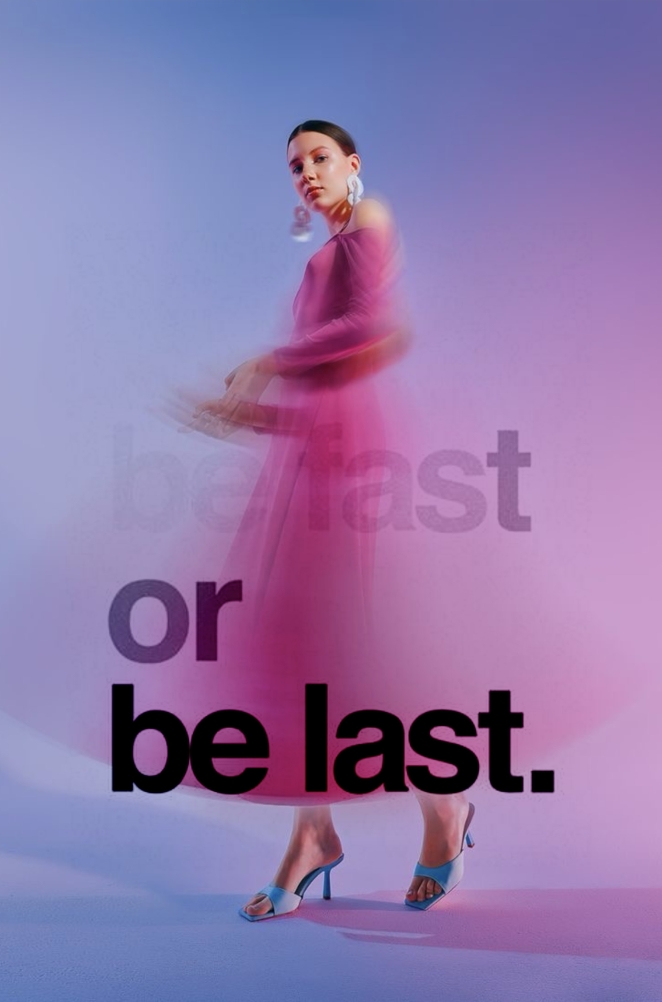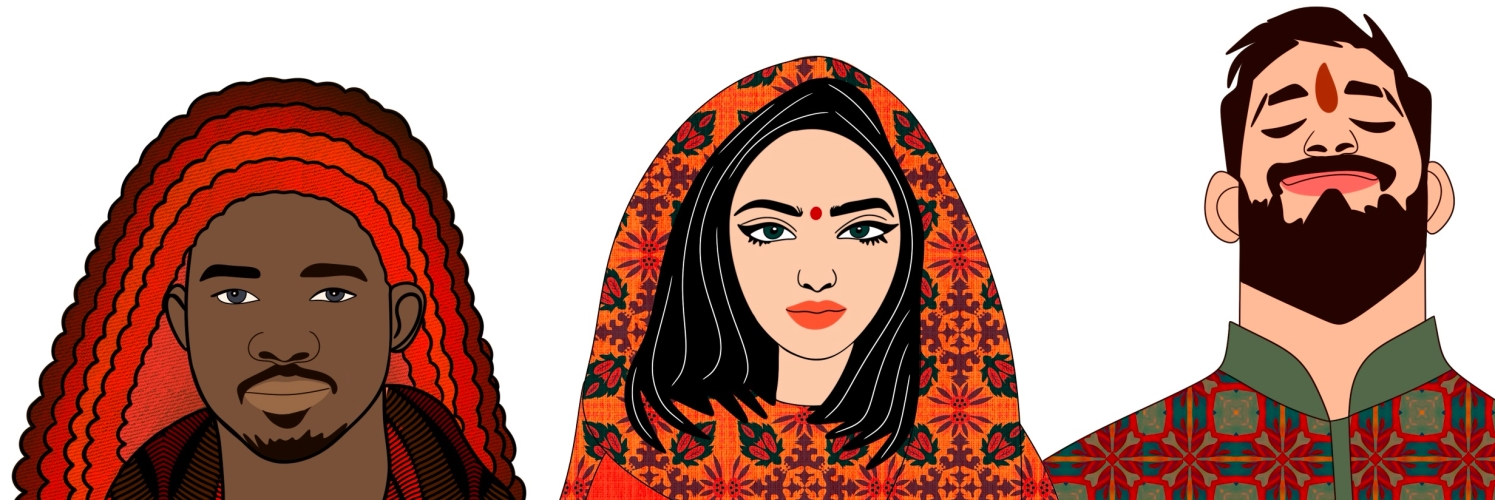


In the evolving landscape of visual communication, experimentation stands at the heart of innovation. Graphic design is more than problem-solving; it is also about pushing boundaries, breaking conventions, and discovering new ways to communicate meaning. While design principles provide structure, experimentation introduces freedom and the space where accidents, risks, and unconventional choices often lead to the most striking results.
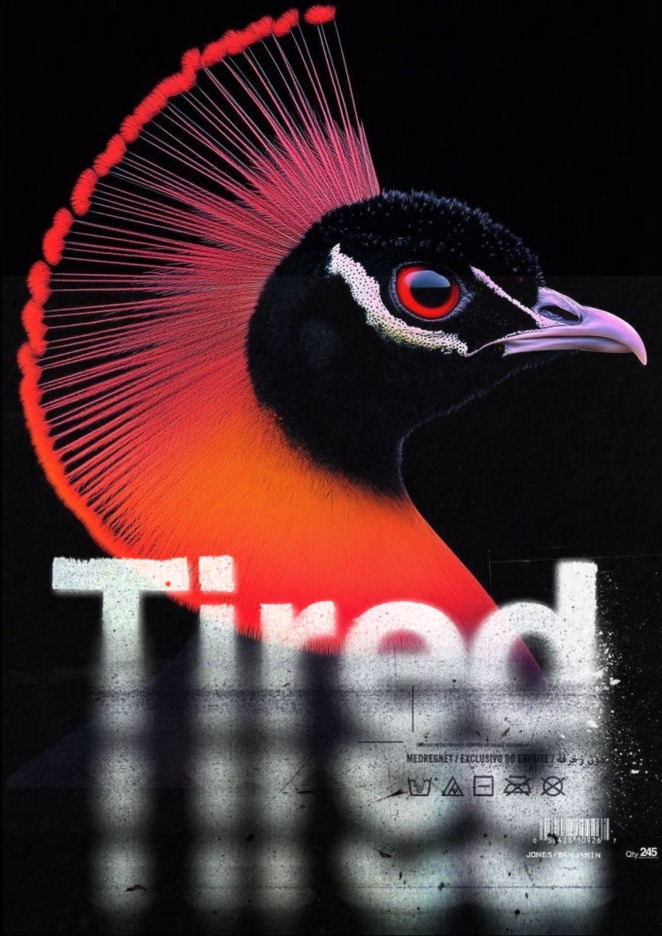
Challenging the Expected
Experimentation allows designers to step outside of predictable formats and create work that captures attention in unexpected ways. Whether it’s layering photography with bold typography, distorting familiar visuals, or merging classical art with contemporary digital aesthetics, these approaches break routine and generate curiosity. Audiences today, saturated with visuals, are drawn to work that feels fresh, surprising, and emotionally charged.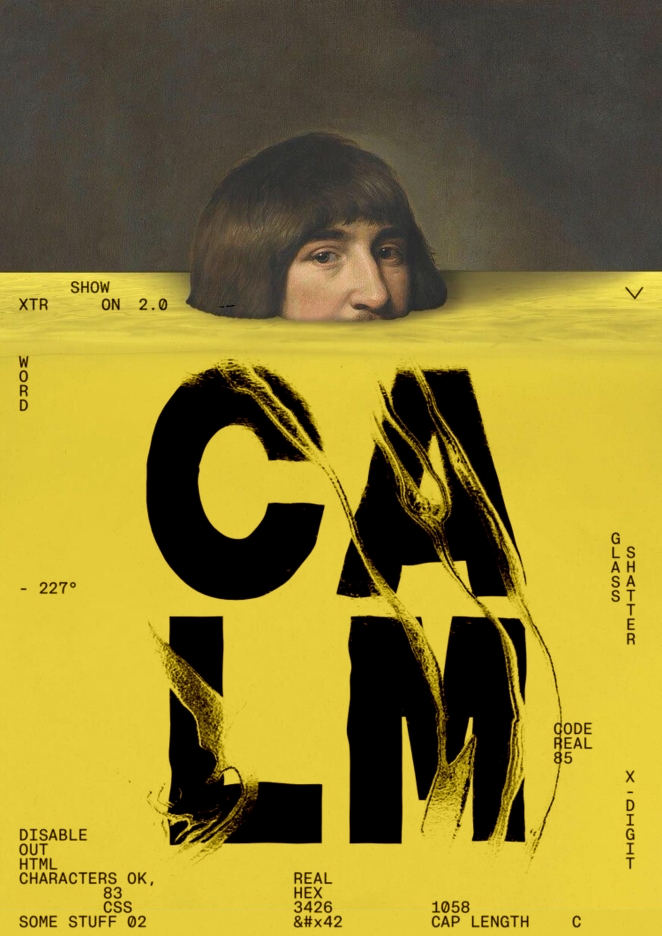
A Tool for Creative Growth
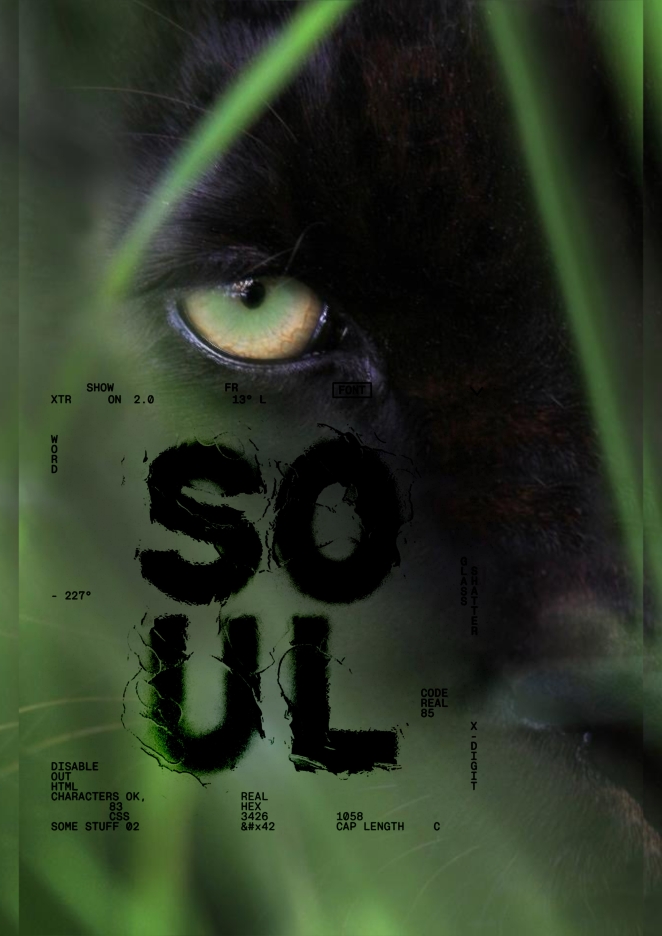
For designers, experimentation is a process of perpetual growth. Every trial, whether successful or not, becomes an opportunity to refine visual language, develop new skills, and strengthen adaptability. By working with unconventional textures, hybrid techniques, or digital manipulation, designers expand their toolkit and discover unique creative signatures.
Emotion and Expression
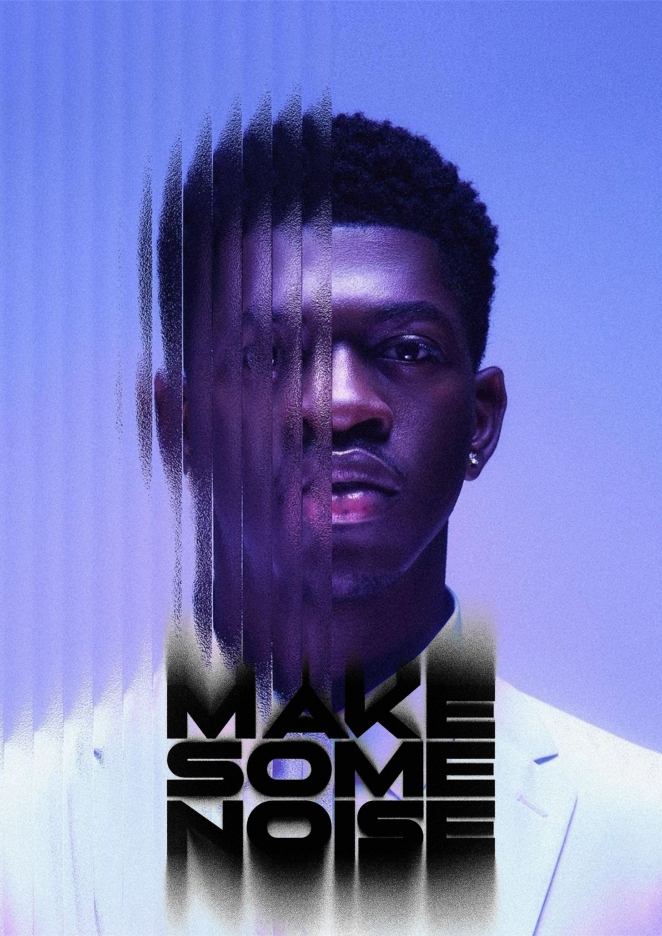
Experimental design also enhances the emotional power of communication. Bold juxtapositions, abstract layering, and distorted typography can evoke feelings of tension, energy, calmness, or chaos in an often more vivid manner than traditional layouts. These unexpected forms challenge viewers to pause, reflect, and connect with the work on a deeper level, making the message more memorable.
Bridging Art and Design
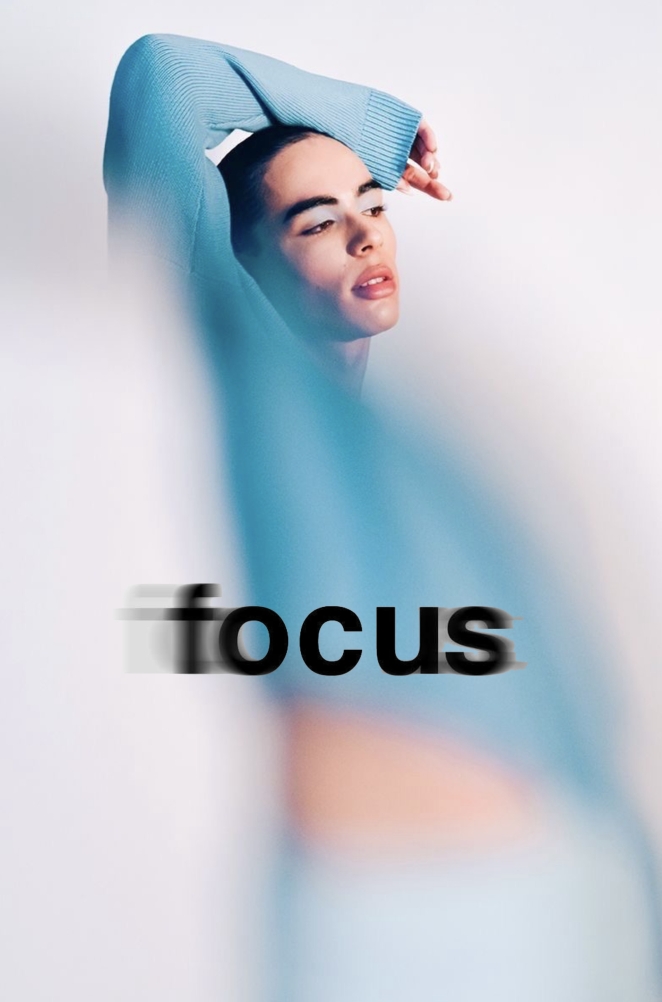
Perhaps the greatest value of experimentation is its ability to blur the line between graphic design and fine art. Experimental works often carry a poetic or conceptual quality, transforming posters, digital visuals, and branding projects into pieces of cultural commentary. This balance between function and artistic exploration is what gives contemporary graphic design its dynamic character.
Conclusion
Experimentation is an essential pathway toward innovation more than a simple design detour. It encourages designers to question conventions, embrace uncertainty, and discover new possibilities for visual storytelling. In a world that thrives on originality, those willing to experiment are the ones who define the future of graphic design.