

The Illustrator Who Turned Heritage Into Her Superpower
Interviewed by Creativepool
I didn’t grow up thinking of myself as someone with a career ahead of her in design. I was just a kid who painted on canvas and drew on paper because it felt like the most natural thing in the world to do. It wasn’t until much later, when my partner encouraged me to start creating digitally, that I saw a completely different way of working open up in front of me. That shift, small as it seemed at the time, is really what led me to apply for my BA (Hons) Graphic Design at Sheffield Hallam University. That’s when drawing stopped being just something I did for myself and became a genuine practice and career path.
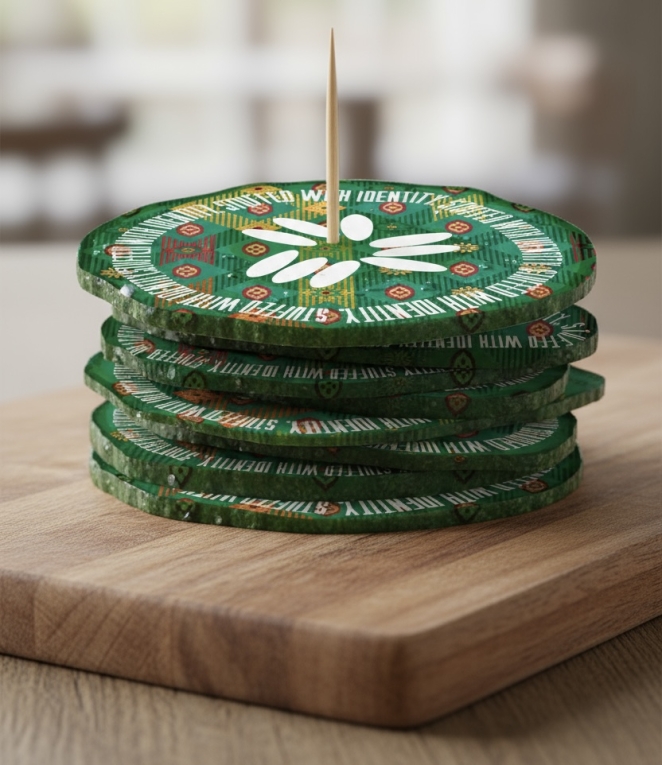
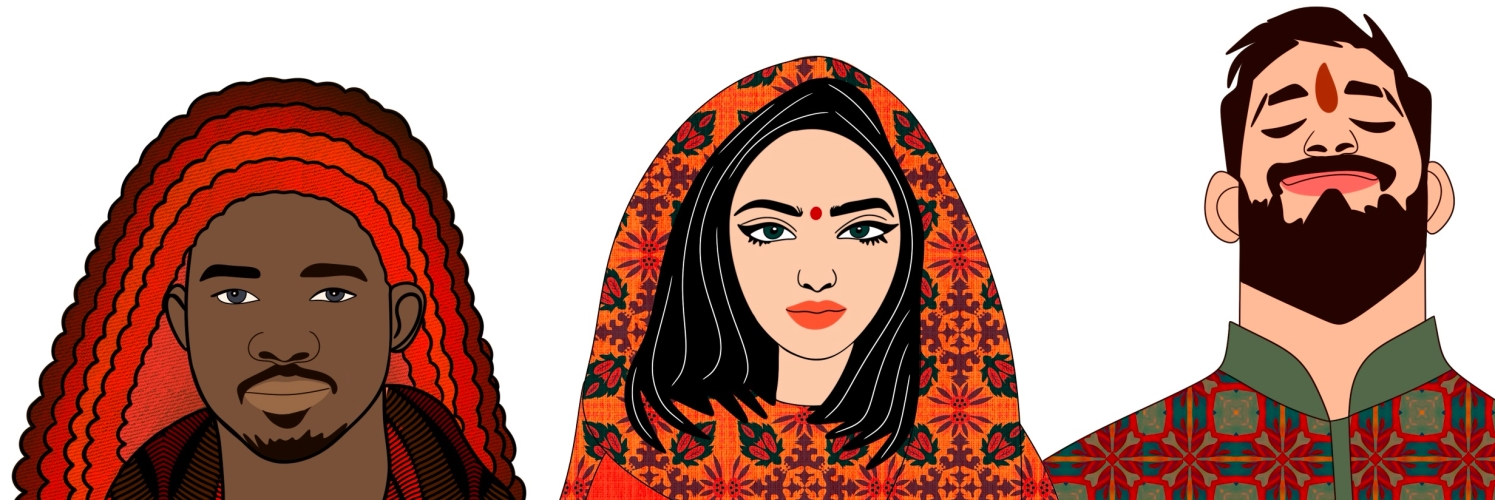
Where I Come From Shapes How I Design. I was born in Pakistan and spent my early years there before my family moved to the UK in 2014. Growing up surrounded by that visual culture — illustration, typography, storytelling through imagery — left a mark on me that I didn’t fully appreciate until I started studying design formally. Combining that background with what I learned at Sheffield Hallam is what shaped the kind of designer I’ve become: someone whose work is rooted in culturally inspired, community-focused ideas rather than generic global aesthetics.
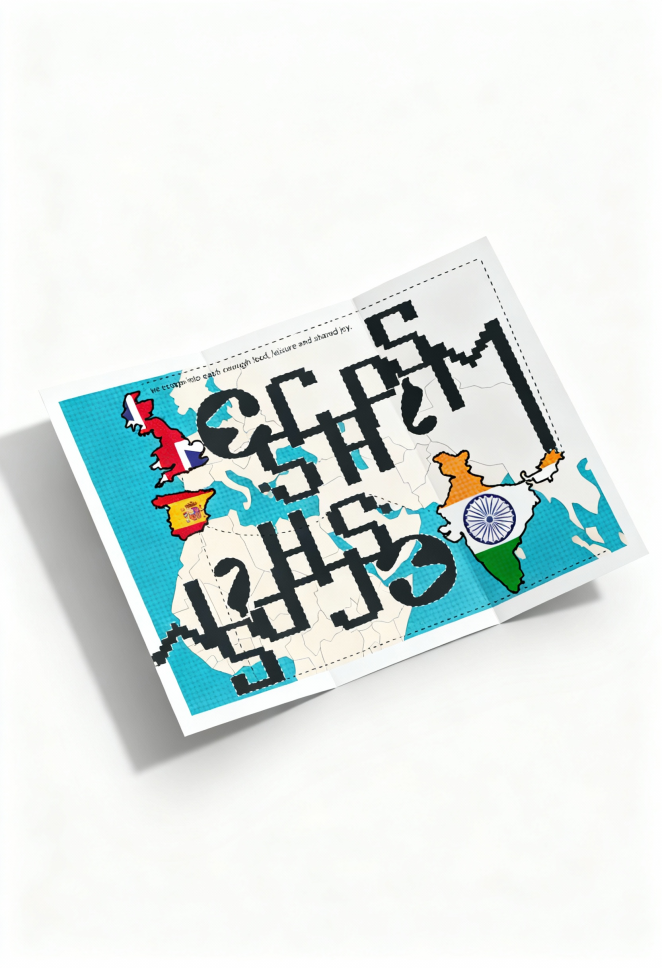
Some of the experiences that pushed this the furthest were an international collaboration with students in Malaysia and an internship in Sweden. Both of those made me think about design as something bigger than making things look good — as a way of connecting people across completely different backgrounds. That idea has become central to how I approach almost every brief I take on now.

Right Now
These days, I’m based in Doncaster, England. Alongside finishing my degree, I work as a Graphic Designer and Social Media Manager for HealthyHer Doncaster, a non-profit where I develop visual identities, campaign graphics, and marketing content. I also take on freelance illustration and branding projects on the side, and I picked up valuable client experience through a placement at Finger Industries.
If I had to point to the achievement I’m proudest of so far, it would be being named the D&AD New Blood: The Portfolios Winner 2026. It’s an internationally recognised award, and being selected among such a competitive group of emerging creatives, while I was still studying, felt like real validation for the direction I’d been pushing my portfolio in.
How I Actually Work
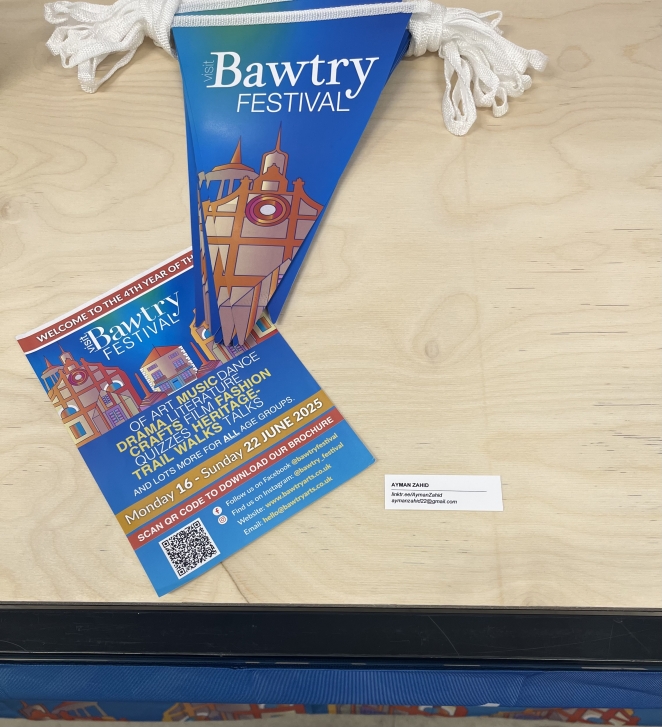
My process almost always starts the same way: research into the culture, community, or story behind a brief. That was true for my UK-Malaysia collaboration and for the Bawtry Festival rebrand. From there, I sketch loosely, usually in Procreate, before moving into Illustrator or InDesign to refine typography and layout. What I think makes it distinct is that I try to keep a hand-drawn, illustrative quality alive even in more formal branding work — I never want the process to become purely digital and clinical.
I’d describe my style as culturally inspired and illustrative, with a strong focus on typography. I like blending bold, hand-crafted illustration with clean, considered layout, so the work feels personal and expressive without losing clarity or professionalism.
Procreate is where almost all of my initial ideas take shape — I genuinely couldn’t do without it. From there, Adobe Illustrator and InDesign are essential for refining branding and layout, and Figma has become important for anything that needs to be collaborative or move into a digital product space.
What I’ve Learned About the Industry
If you ask me what separates truly exceptional creatives from everyone else, I’d say curiosity and consistency. The designers I admire most are the ones who keep experimenting even after they’ve found a style that works, and who follow through on ideas instead of leaving them at the concept stage. Being able to take feedback from real client briefs — like the ones I worked on during my placement at Finger Industries — and adapt quickly matters just as much as raw creative talent.
I think a lot about where the industry is heading, too. I expect AI tools will keep getting embedded into everyday workflows, but less as a replacement for creative thinking and more as a fast way to prototype and explore ideas before the real craft goes in. I also think culturally specific, community-led design is only going to grow in importance. Brands and institutions increasingly want work that reflects real, diverse voices rather than generic global aesthetics, and that’s exactly the space I want to keep working in.
If there’s one thing I’d change about the industry, it’s access. I’d love to see more accessible entry points for students and emerging creatives, especially around paid placements and international opportunities. My internship in Sweden and my placement at Finger Industries were genuinely career-shaping experiences for me, and I think more of that kind of access — rather than unpaid work — would help a much wider range of people break into this industry.
What Keeps Me Going
My secret to staying inspired is keeping a mix of personal and client work on the go at all times. Personal projects — entering competitions, illustrating just for fun — keep the creative side of me alive, while client and placement work keeps me grounded in solving real problems. Being part of communities like Creativepool and Dribbble helps too. Seeing other people’s work is a constant source of new ideas for me, and honestly, engaging with those communities is how opportunities like this feature found me in the first place.
My Advice to Anyone Starting Out
Enter as many competitions and live briefs as you can while you’re still studying — they’re some of the best ways to build a portfolio with real credibility. Take placements seriously; mine at Finger Industries taught me things about working to client briefs that I couldn’t have learned from coursework alone. And put your work out on platforms like Dribbble and Creativepool early, even before you feel fully ready.
If you’re trying to get more clients, show a range of real, applied work rather than just concept pieces. Clients want to see that you can solve an actual brief, not just create nice visuals. Being active in these communities and genuinely engaging with them has brought me opportunities I wouldn’t have found otherwise.
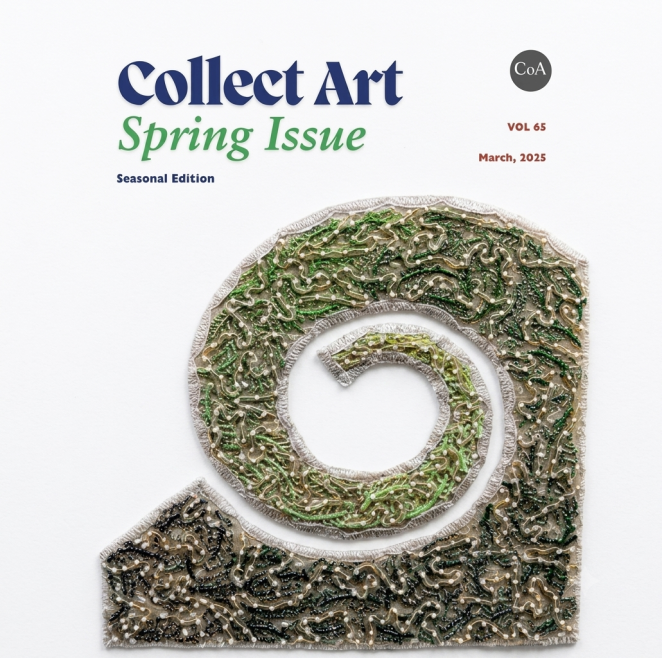
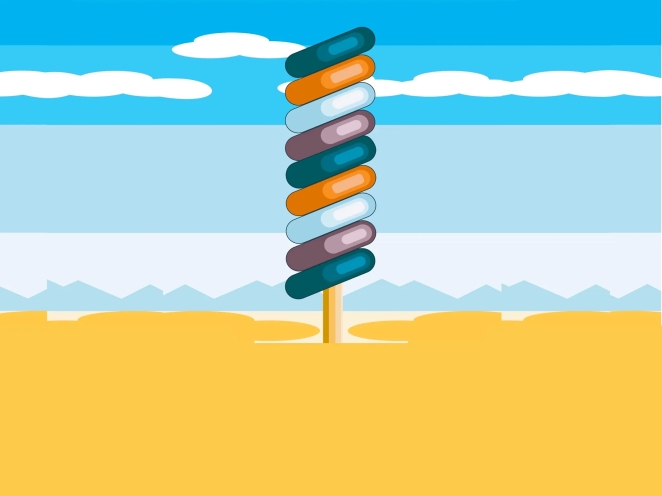
If I weren’t doing this, I’d probably be somewhere in photography or fine art — both areas I’ve already drawn on for work like my children’s book project and my international magazine feature. Honestly, I think I’d have ended up somewhere in that visual space no matter what path I’d taken.