

For three years, I heard the same phrase in studio critiques:
“Show us, don’t tell us.”
And for three years, I nodded like I understood.
But I didn’t.
Coming from a different education system, I was trained to explain ideas clearly, justify decisions, and describe outcomes. In the UK creative education system, I realised something uncomfortable:
Explanation is not enough.
Description is not design.
Words are not proof.
It took me three years to understand that design is evidence, not explanation.
What “Show, Don’t Tell” Actually Means
At its core, “show, don’t tell” means demonstrating meaning through action, visuals, and experience rather than simply stating it
In writing, it’s the difference between:
- “She was nervous” (telling)
- “She paced, hands shaking, avoiding eye contact” (showing)
In design, it’s the difference between:
- Saying your work is inclusive
vs - Showing diverse users interacting with your design
Because when you show, the audience experiences it, interprets it, and believes it
Why I Didn’t Understand It (At First)
The problem wasn’t the phrase.
The problem was how I was thinking.
I was:
- Writing long rationales
- Explaining intentions verbally
- Defending decisions in presentations
But my work itself?
It wasn’t communicating without me.
And that’s where UK creative education hit differently.
It forces you into independent visual thinking, not verbal justification.
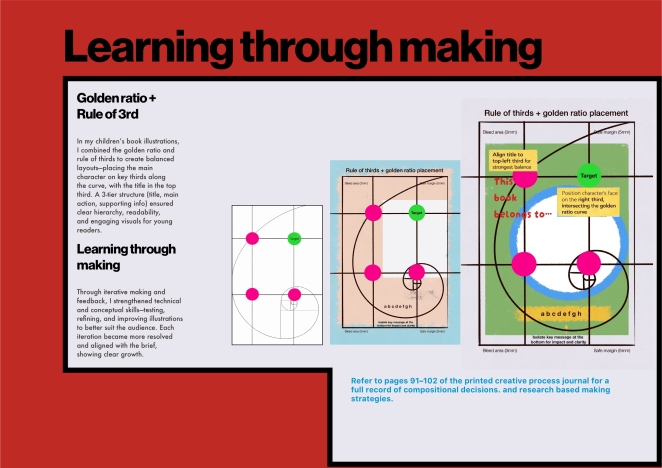
Creative education isn’t about repeating knowledge — it’s about making ideas visible through experimentation and outcomes
The Shift: When It Finally Clicked
It clicked when I stopped asking:
“How do I explain this?”
…and started asking:
“Can someone understand this without me speaking?”
That’s the turning point.
Because real design doesn’t rely on you being there to explain it.
What “Showing” Looks Like in a Creative Process
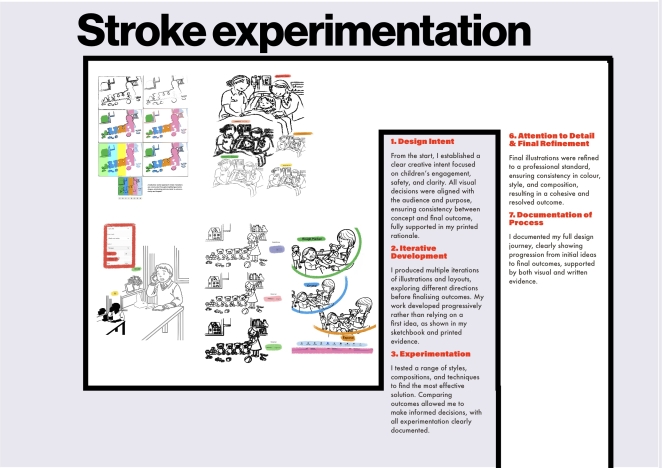
1. Process Over Claims
Don’t say “I explored ideas”
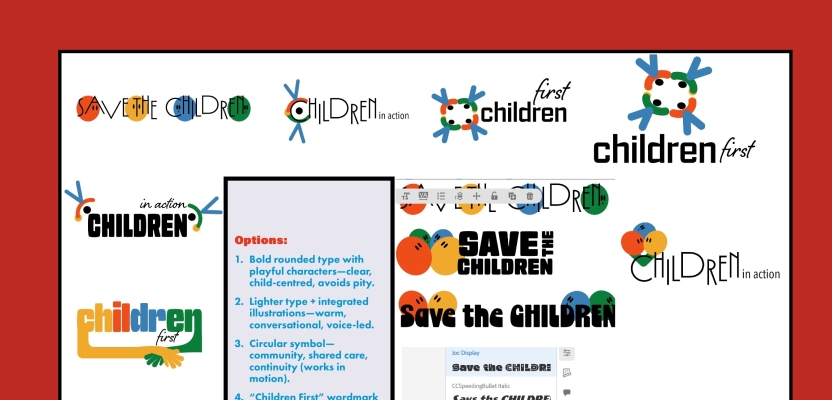
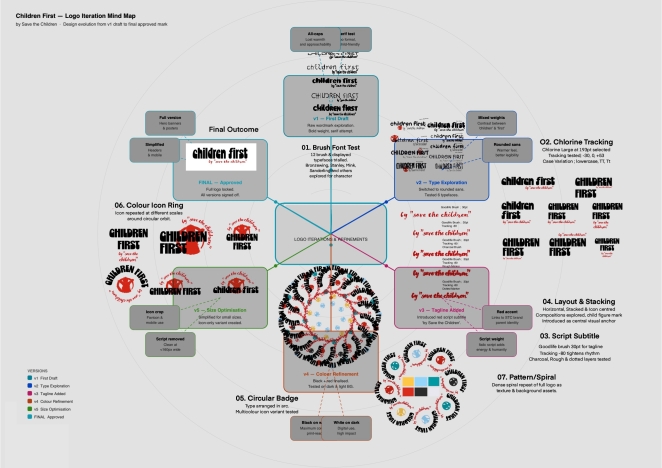
- Show 20 iterations, not 1 final outcome
2. Decisions Over Statements
Don’t say “I chose this colour for emotion”
- Show colour tests, feedback, rejection reasons
3. Evidence Over Opinion
Don’t say “this works well”
- Show user testing, comparisons, refinements
4. Visual Hierarchy Over Explanation
Don’t say “this is important”
- Make it visually impossible to ignore
The Brutal Truth About Design Education
Here’s what no one tells you early on:
If your work needs explanation, it’s not finished.
That doesn’t mean no text at all — but it means:
- The visual should lead
- The words should support
Because “showing” invites the audience to participate in meaning-making, not just receive it.
My Personal Realisation
For years, I was “telling”:
- “This design represents children’s voices”
- “This concept is about community”
Now, I “show”:
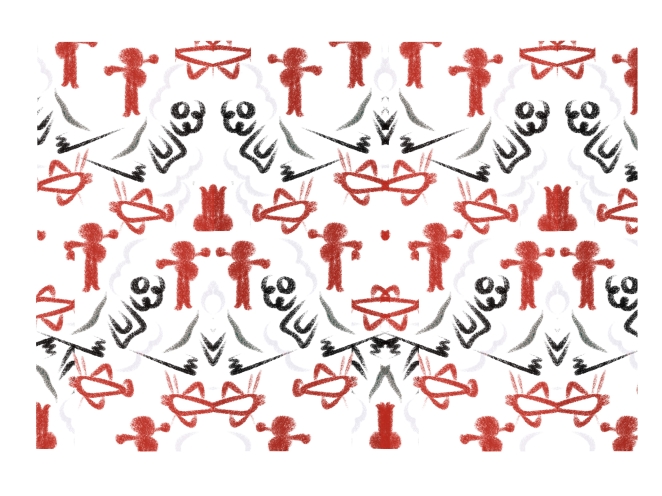
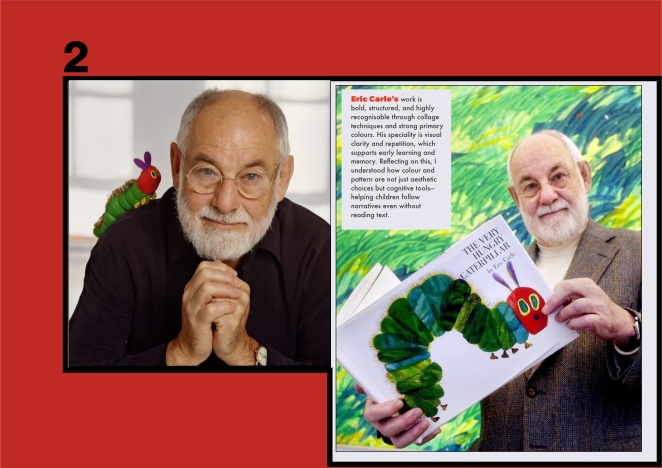
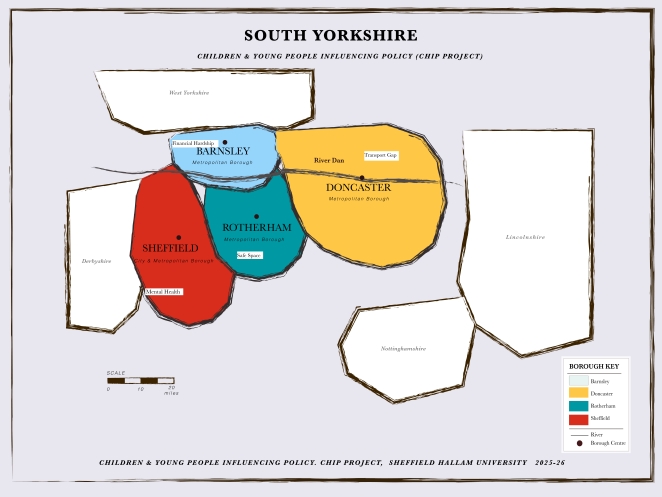
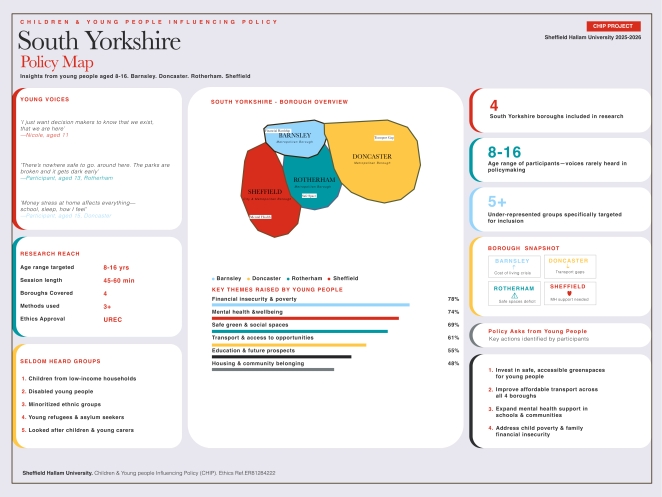
- Children’s drawings embedded in identity systems
- Visual motifs built from real input
- Interactive elements like maps, walls, and stories
No explanation needed.
Why This Matters in the Industry
In the real world:
- Clients don’t read long rationales
- Audiences don’t analyse paragraphs
- Users don’t care about your intention
They respond to what they see, feel, and experience
That’s why “show, don’t tell” isn’t just academic advice —
it’s industry survival.
Final Thought
It took me three years to understand one sentence.
But once it clicked, everything changed:
Design is not what you say.
Design is what others understand without you.
And that’s the difference between:
Student work vs professional work