

How one scholarship turned a digital portfolio into something people could actually hold
Ayman Zahid - Designer Hive
There's a moment every design student hits before their final show: the spreadsheet moment. You tally up printing costs - journals, boards, business cards, campaign assets - and watch the number climb past what you can reasonably afford. For a lot of students, that's where the ambition quietly gets scaled back. Fewer printed pages. A smaller stand. A portfolio that lives mostly on a laptop screen, because paper costs money and student budgets don't stretch that far. That almost happened to me.
Self-Taught, Life-Taught
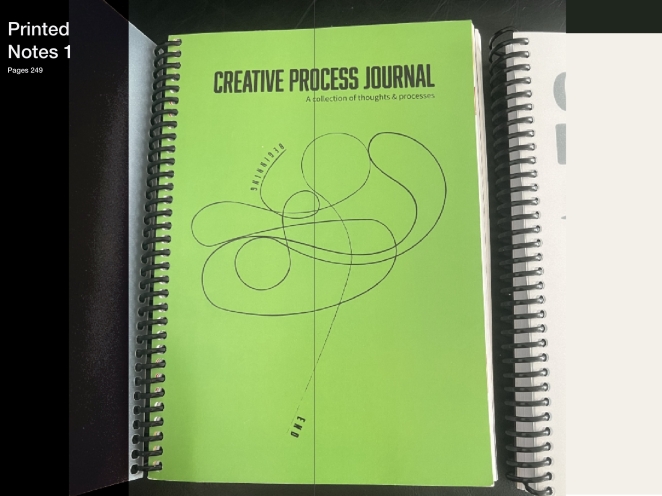
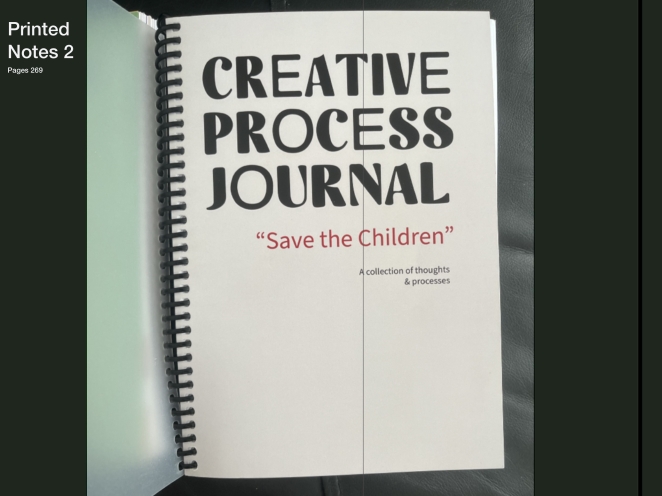
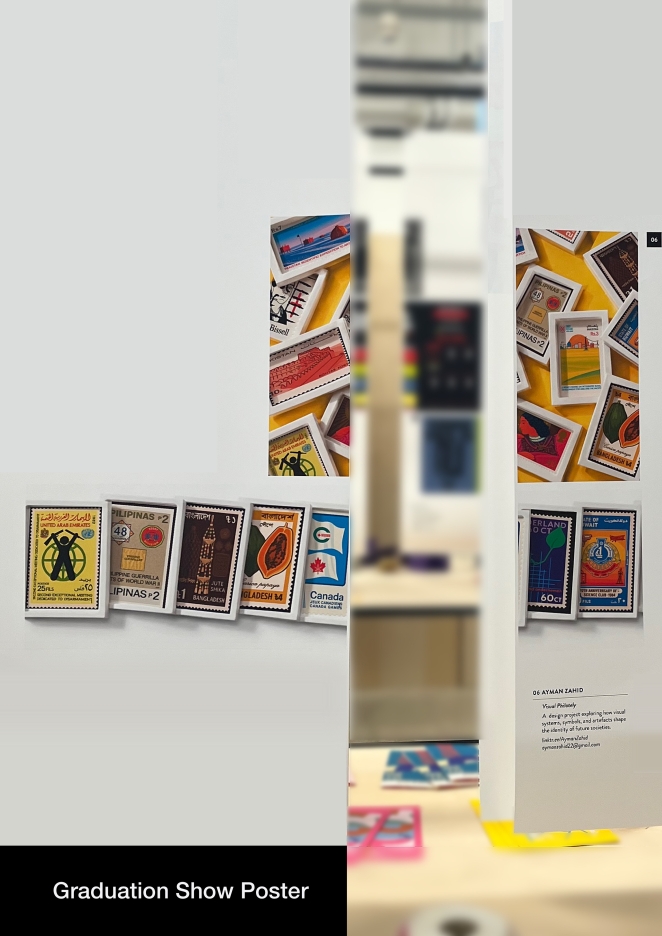
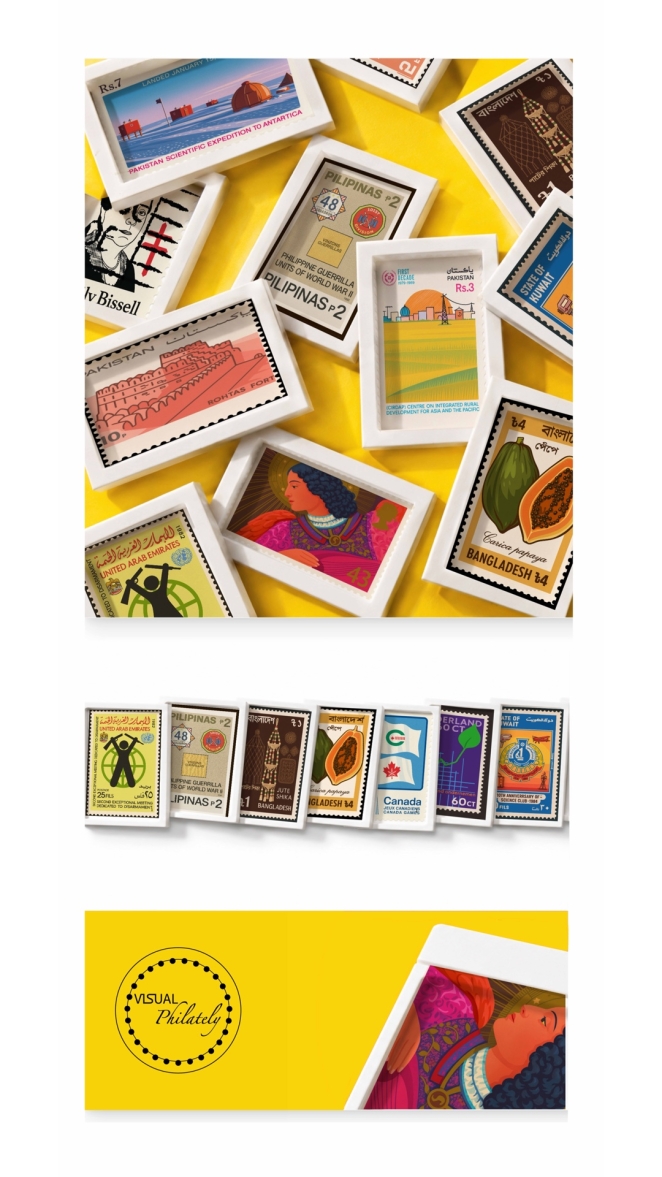
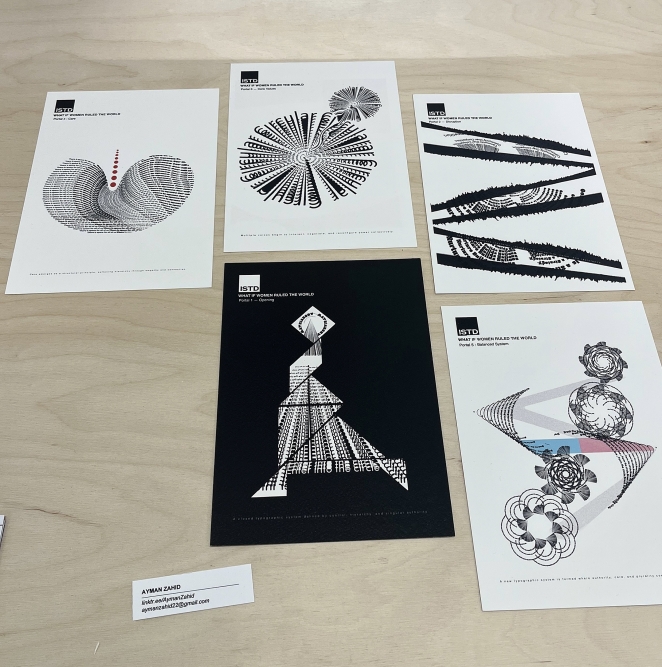
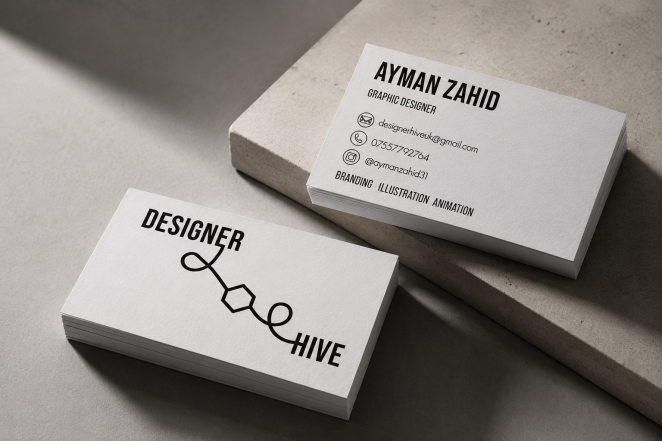
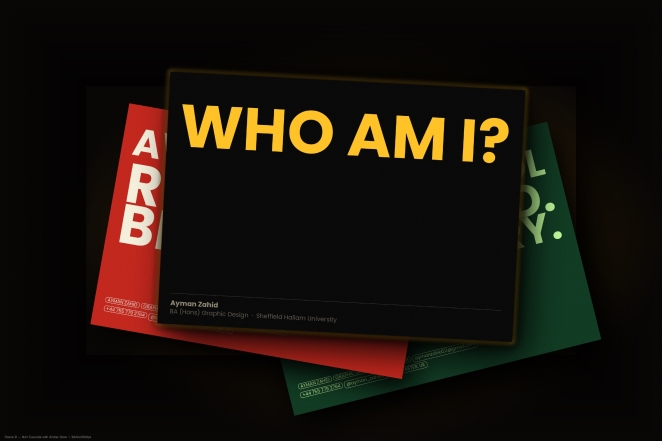
I didn't come into graphic design through a conventional route. My personal branding cards say it plainly: self-taught, not formally trained from the start - life-taught instead. I moved from Pakistan to Doncaster and built my design practice the hard way, learning by doing, by failing, by redoing. By the time reached my final year at Sheffield Hallam, I had built a body of work I was proud of: a personal studio identity called Designer Hive, a social impact campaign called Children First for Save the Children, two Creative Process Journals documenting how I think, and a series of illustrated postage stamps exploring a completely different visual language. What I didn't have was the budget to print all of it properly.
Why Print Still Matters
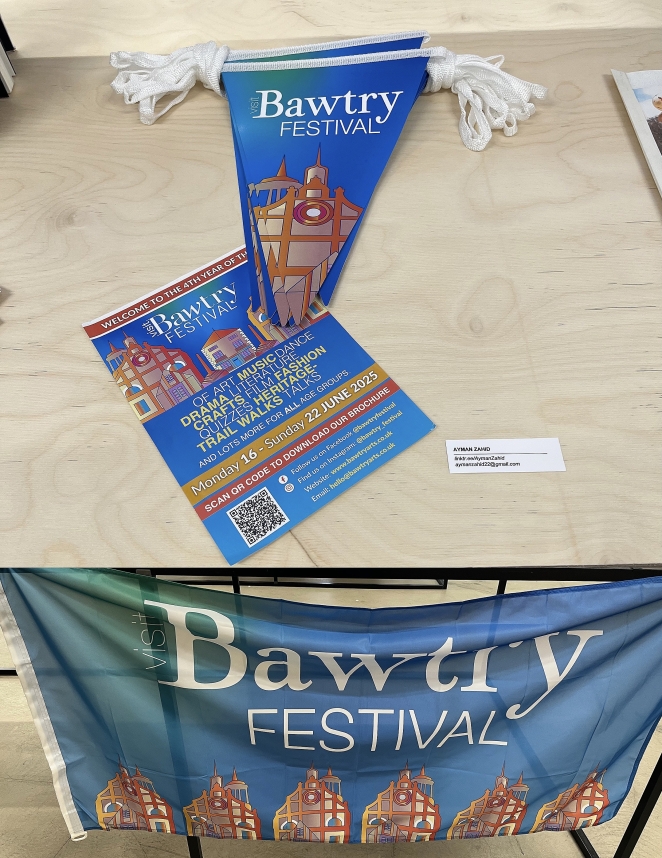
Design is meant to be touched. A business card means nothing as a JPEG. A campaign board loses its power shrunk down to a phone screen. The Children First project, in particular, was built around real research and ethical decision-making on behalf of vulnerable children - it deserved to be seen the way it was designed: full-size, in the room, in someone's hands. The Santander scholarship made that possible. It meant I didn't have to choose which projects got the print budget and which got quietly left on a hard drive.
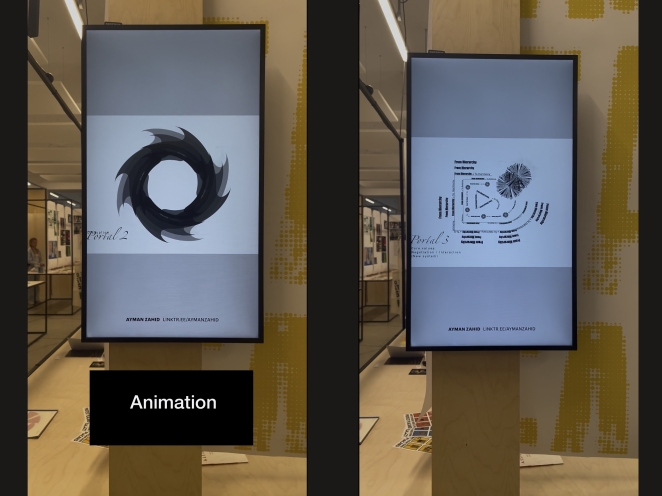
What Changed at the Show
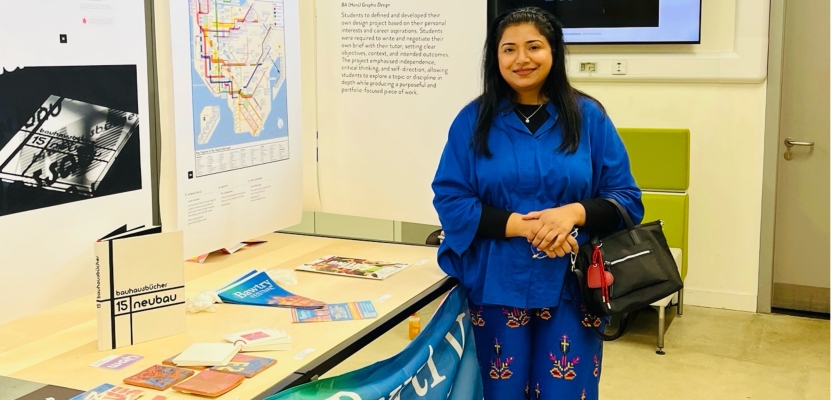
The difference was immediate. Visitors didn't just glance at my stand, they picked things up. They flicked through the Creative Process Journals, read the campaign boards properly, and walked away with a Designer Hive business card in their pocket. That's a different kind of conversation than someone scrolling past a portfolio link. People asked real questions about process, about ethics, about why I made the choices I made. I got to defend my work the way you do in industry, not just in an assessment.
Extracurricular Work Builds the Designer Coursework Can't
None of this - Designer Hive, Children First, the journals - was required by my course. It came from choosing to build something beyond the brief. That's the part I'd tell any student starting out: the work that changes how people see you is rarely the work you were assigned. It's the project you started because you cared, the brand you built because you wanted a name of your own, the campaign you took seriously because the cause mattered. Funding like this doesn't just pay for paper. It gives that extra work a chance to exist in the same room as everything else.
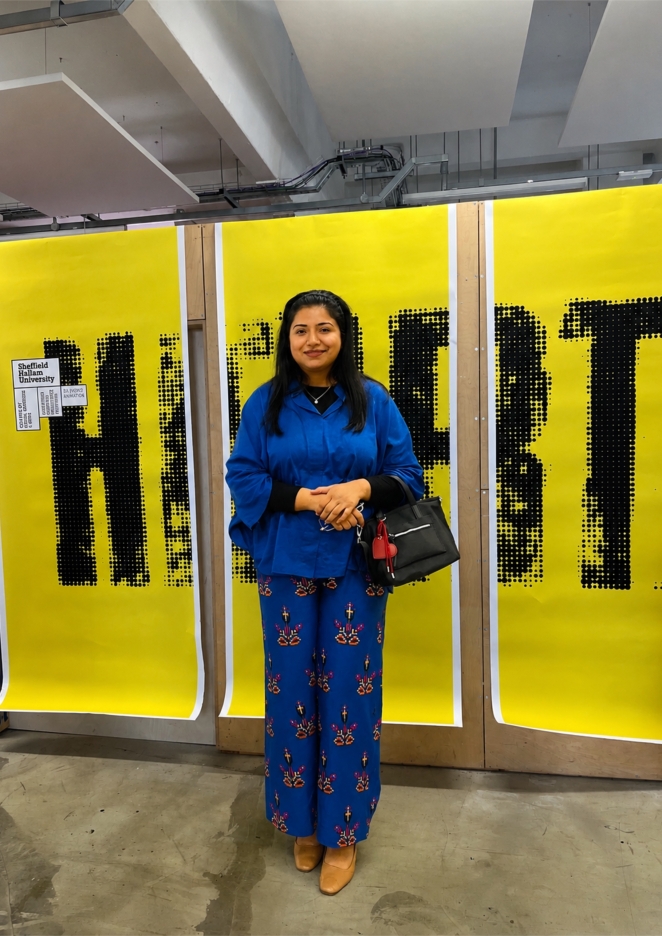
The Takeaway
If there's one thing I want this to say to the next student staring at a printing quote they cant afford: apply anyway. Make the case for your work. A scholarship doesn't just cover costs, it can be the difference between a portfolio that lives quietly on a laptop and one that gets put into people's hands, talked about, remembered. Mine did exactly that. My entire degree show, funded by Santander, became something people could hold - and that changed every conversation I had in that room.