Amanda Curtis
Multimedia Designer
ABOUT
Interested in the lives of female video game players in Japan, I conducted an independent research study on the social dynamics surrounding their gaming habits. My main goal for this research was to compile a case study report about the social implications surrounding women who play video games in Japan, through the lens of ethnographic research. Specifically, I chose to focus on "average" female video game players, as opposed to professional gamers. The research is composed of in-depth interviews, surveying, and direct observations of relevant locations in Tokyo and Kyoto, Japan. Excerpts of my paper are highlighted below.
Before departing to Japan, I conducted primary research and reached out to researchers, professors, and gaming professionals in Japan. Once in Japan, I partnered with USC's College of Letters, Arts and Science and Meiji University in Tokyo, to conduct in-person research.
RESEARCH SUMMARY
Introduction
This paper explores how changes in Japanese societal values have transformed Japan’s gaming industry, and in turn, considers how the gaming industry can help advance these social changes. Though gender inequality is still a major issue in Japan, the increasing prevalence and discussions surrounding this topic have led to nation-wide reforms and cultural changes, which can be seen in the more well-rounded female game characters and female-led game developers. By seeing how women currently perceive the social implications surrounding their gaming habits, one can better understand not only how Japanese society impacts them, but also look towards how their habits influence society.
Methodology
This research was approached through an ethnographic lens, with a focus on four key methods: interviews with professionals and members of our target demographic, direct observations of gaming hubs in Japan, surveys given to the target demographic, and analysis of quantitative data pertaining to the Japanese video game market.
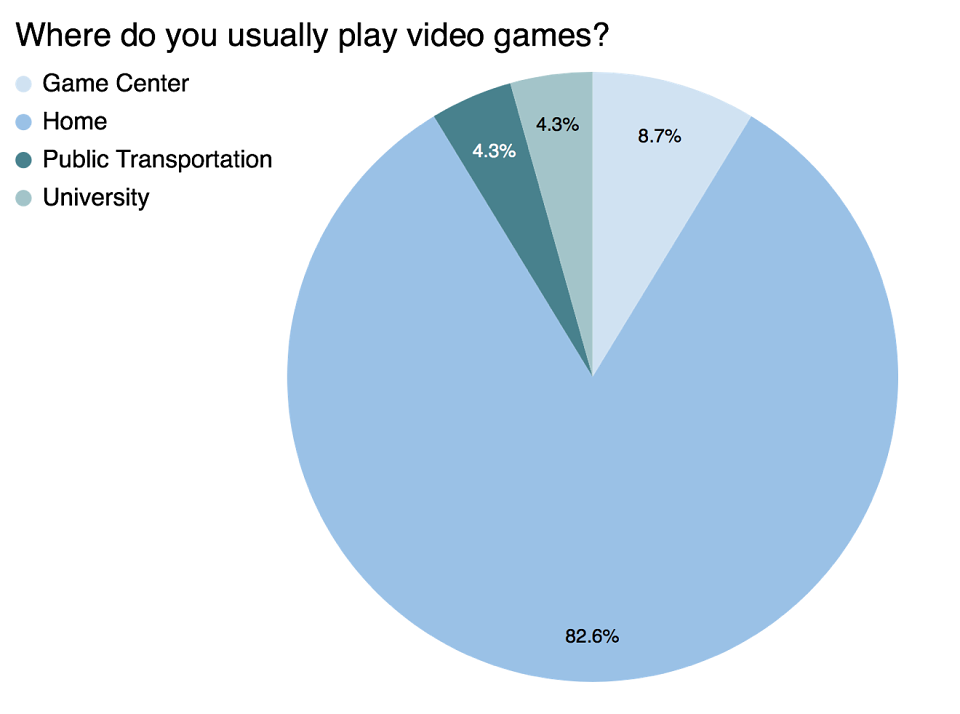
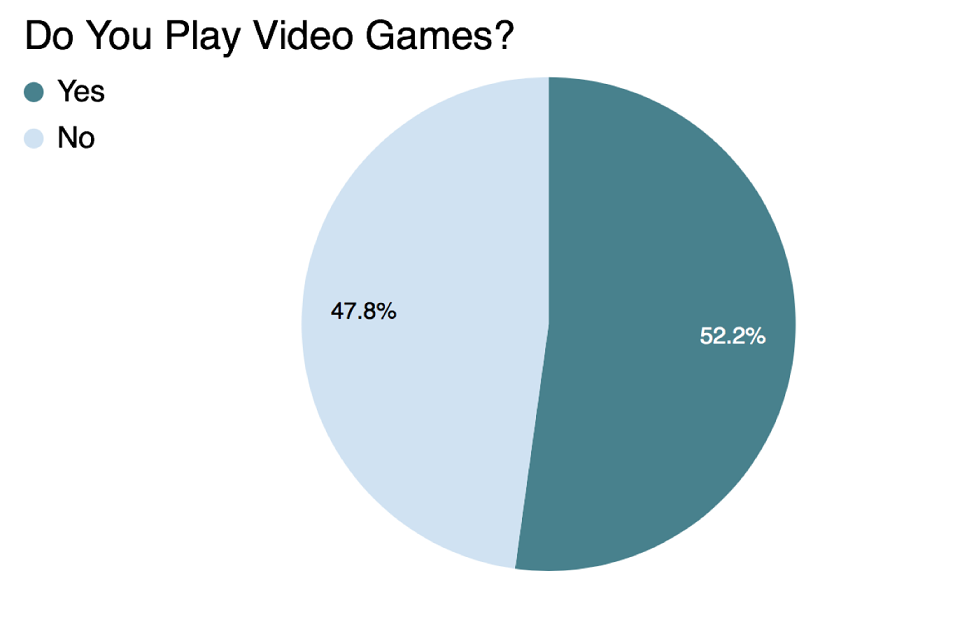
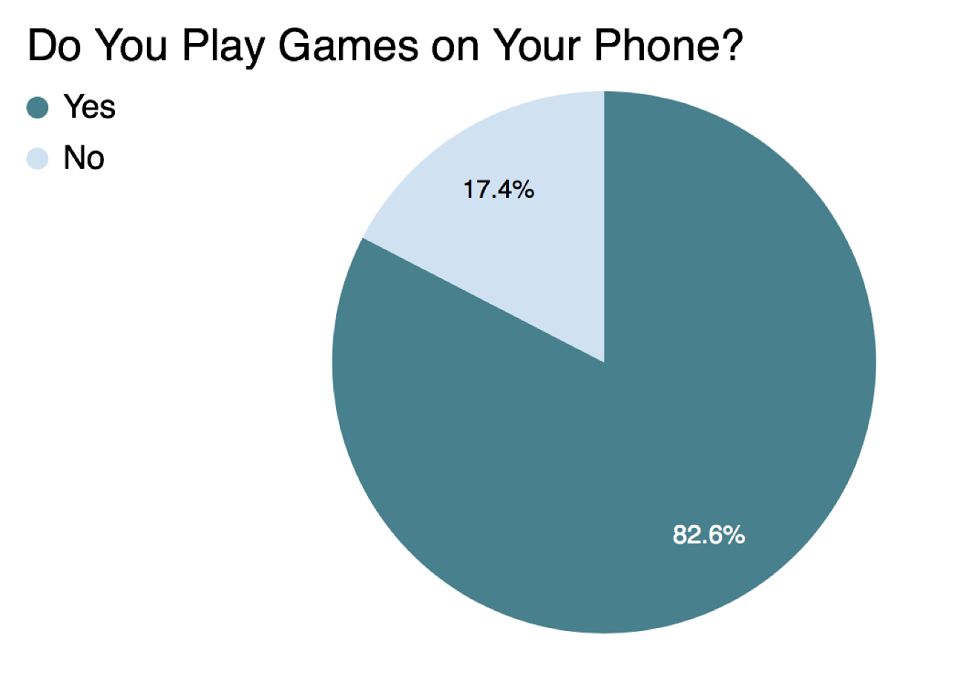
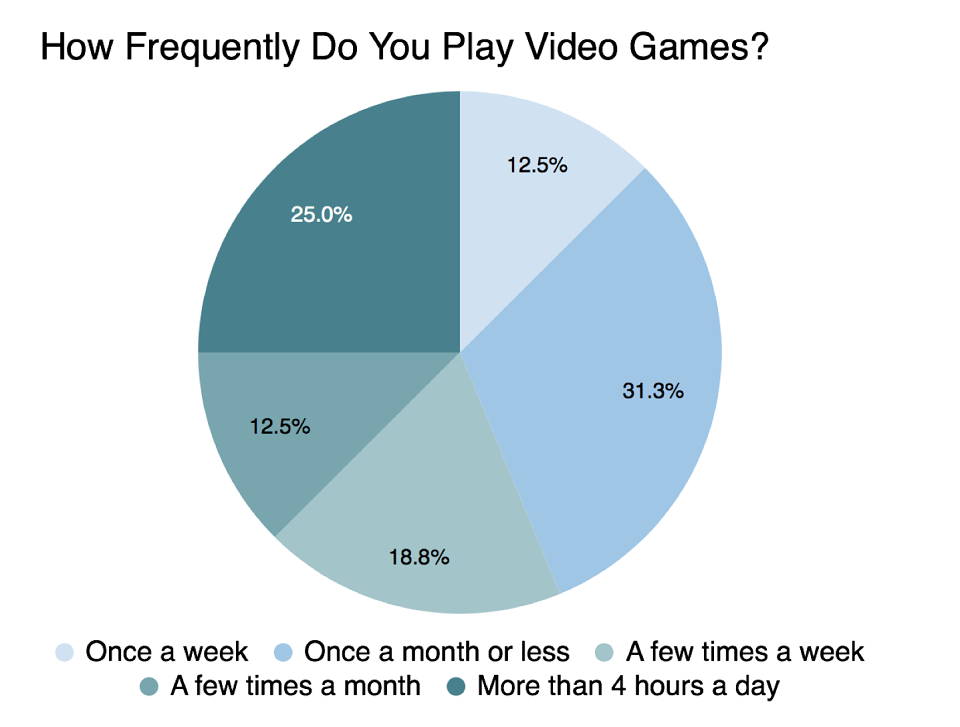
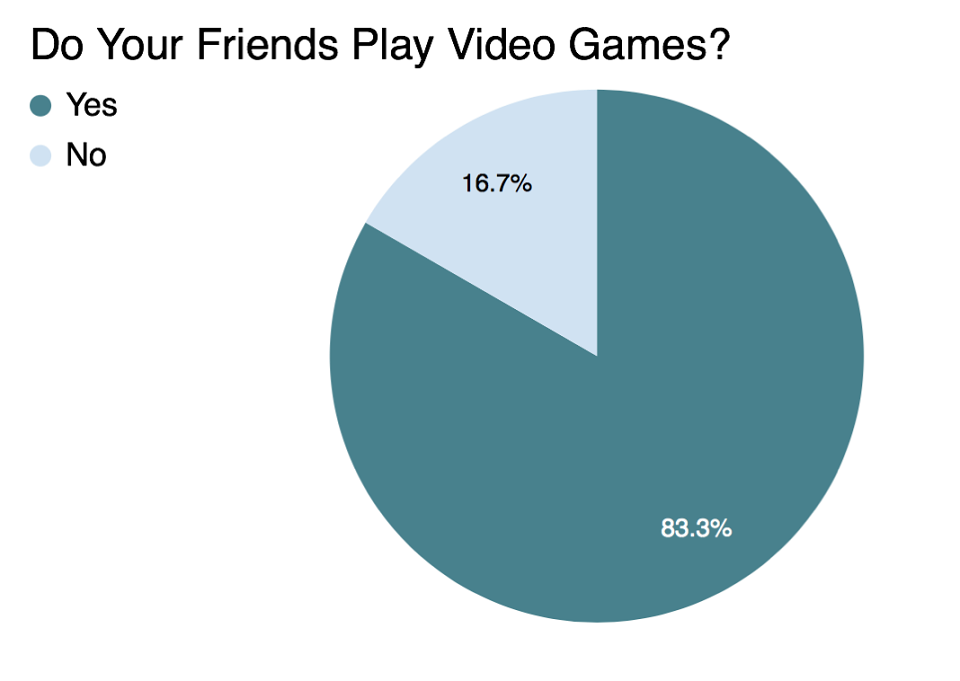
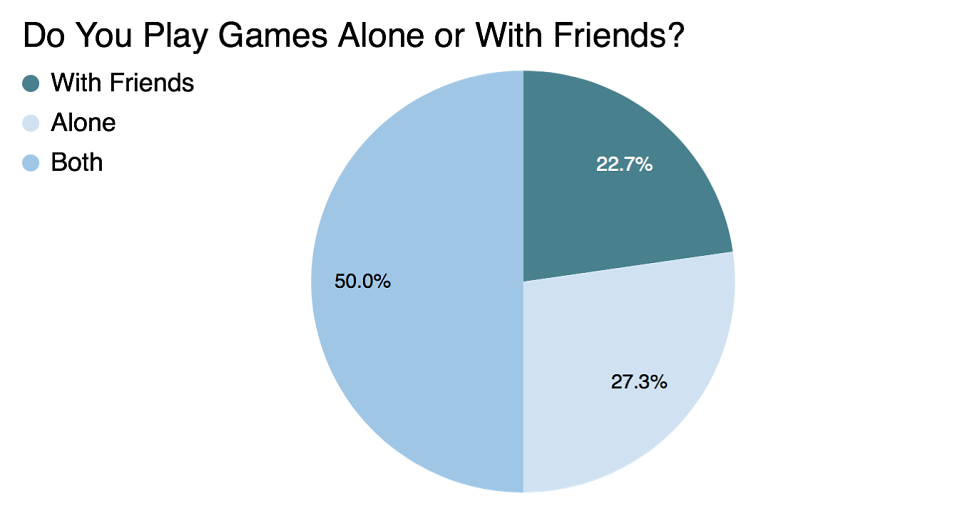
Unstructured interviews were conducted in Japan, focusing on open-ended questions in order to build relevant case studies. In popular gaming hubs, such as arcades, themed cafes, and Pokémon centers, Japanese women interacting with the gaming community were extensively observed. The surveys addressed three core concepts: gaming environments, social aspects of gaming, and impacts of games on identity. Surveys were distributed through students at Meiji University and contacts in Japan, as well as through their friends. While interviews were conducted in English, all surveys were written in Japanese. To better understand the implications of data received from these three activities, data from reputable sources, mostly from the Japanese government, as well as data from the survey conducted were analyzed.