Alexander Machin
Designer
ABOUT
With limited space, little to no garden or allotment, no local garden centres and few available products, how can keen urbanites cultivate green thumbs?
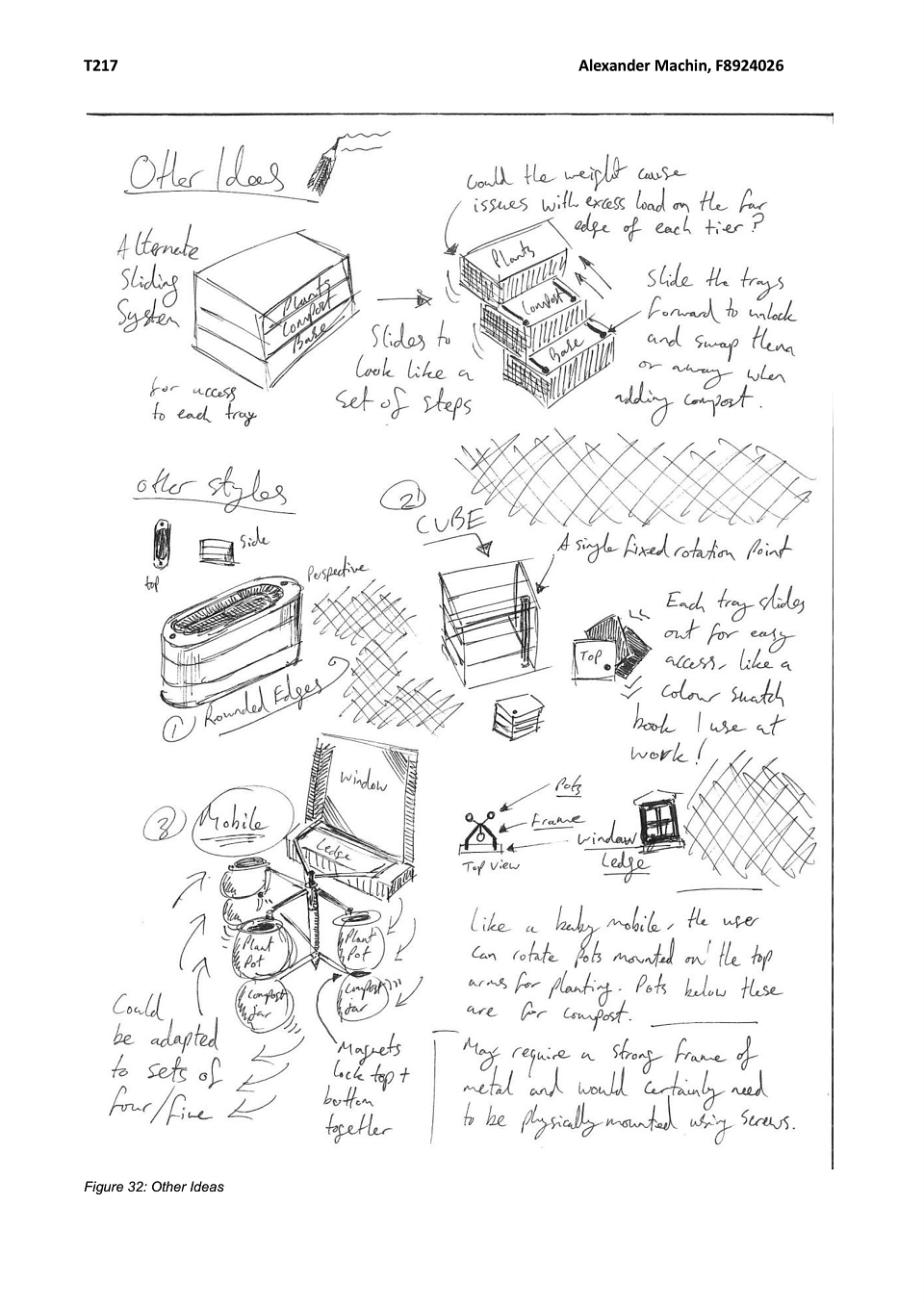
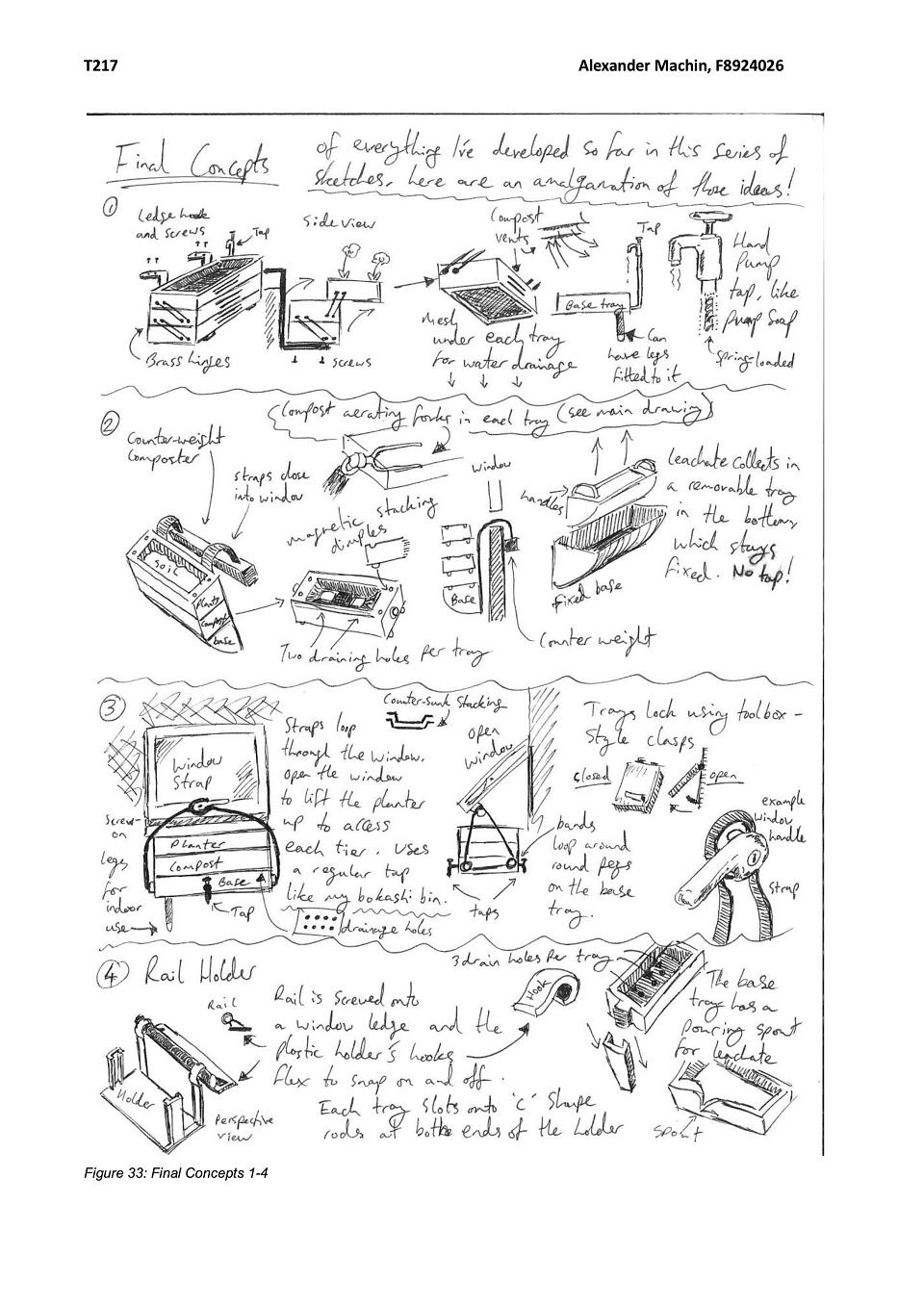
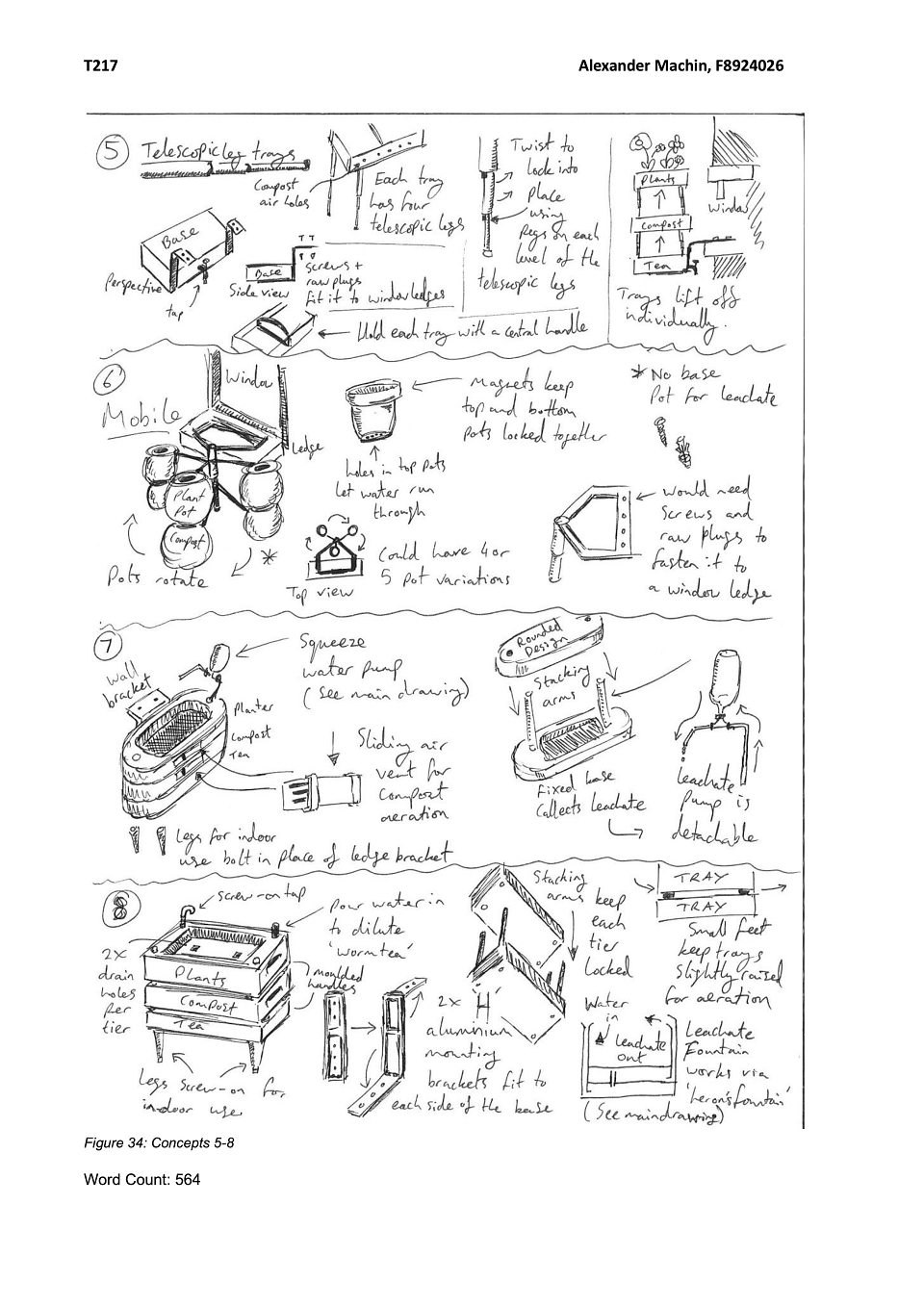
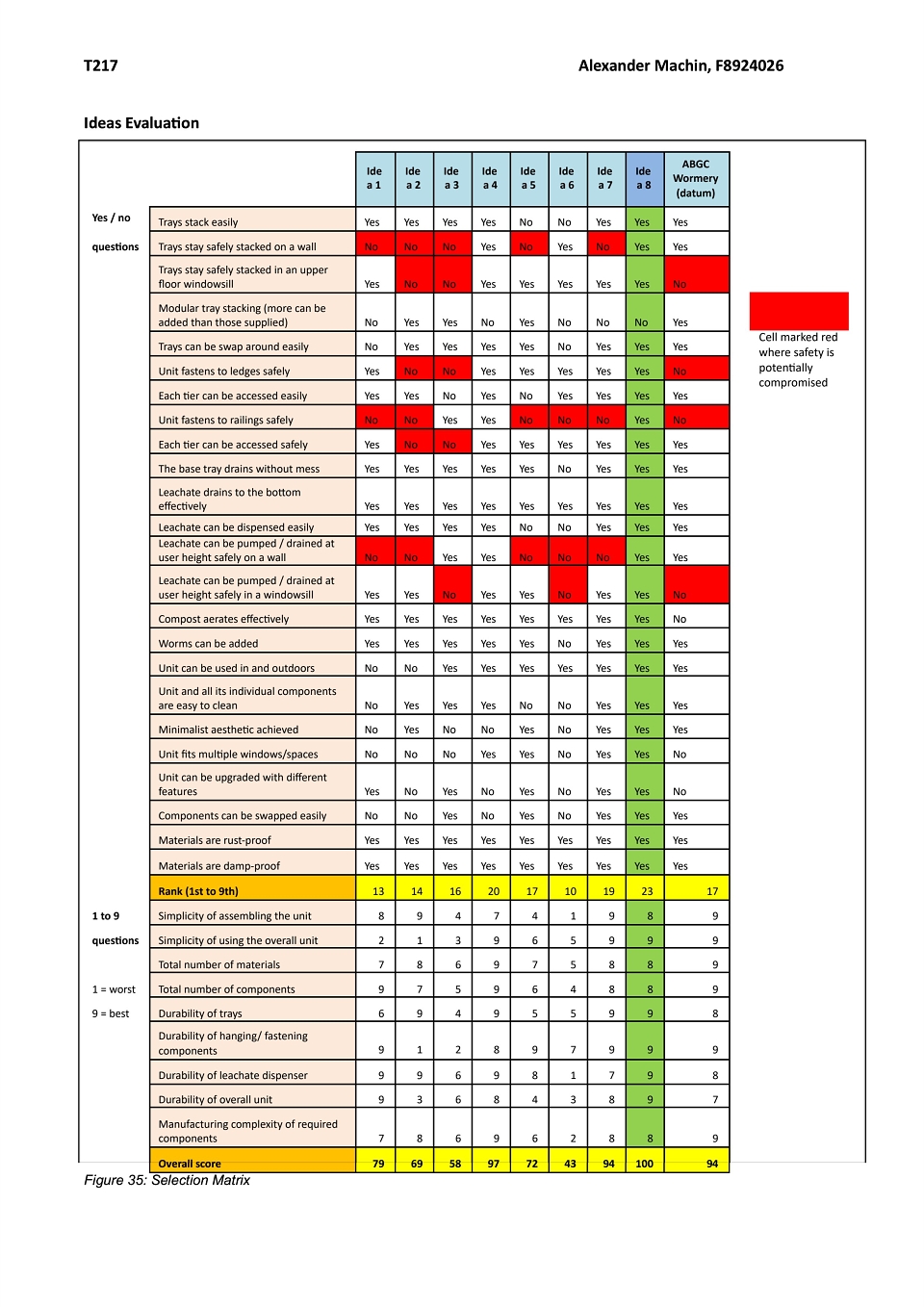
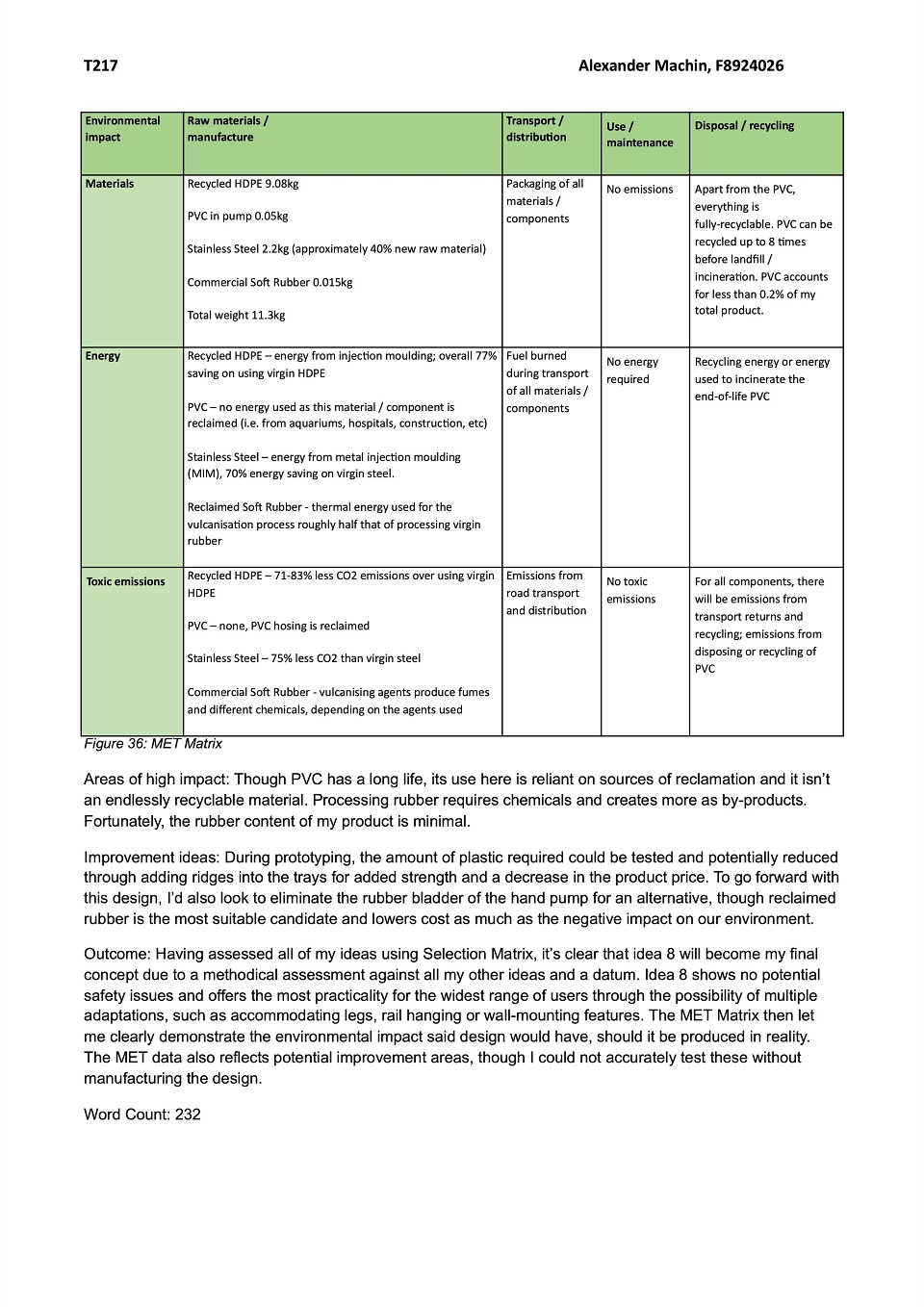
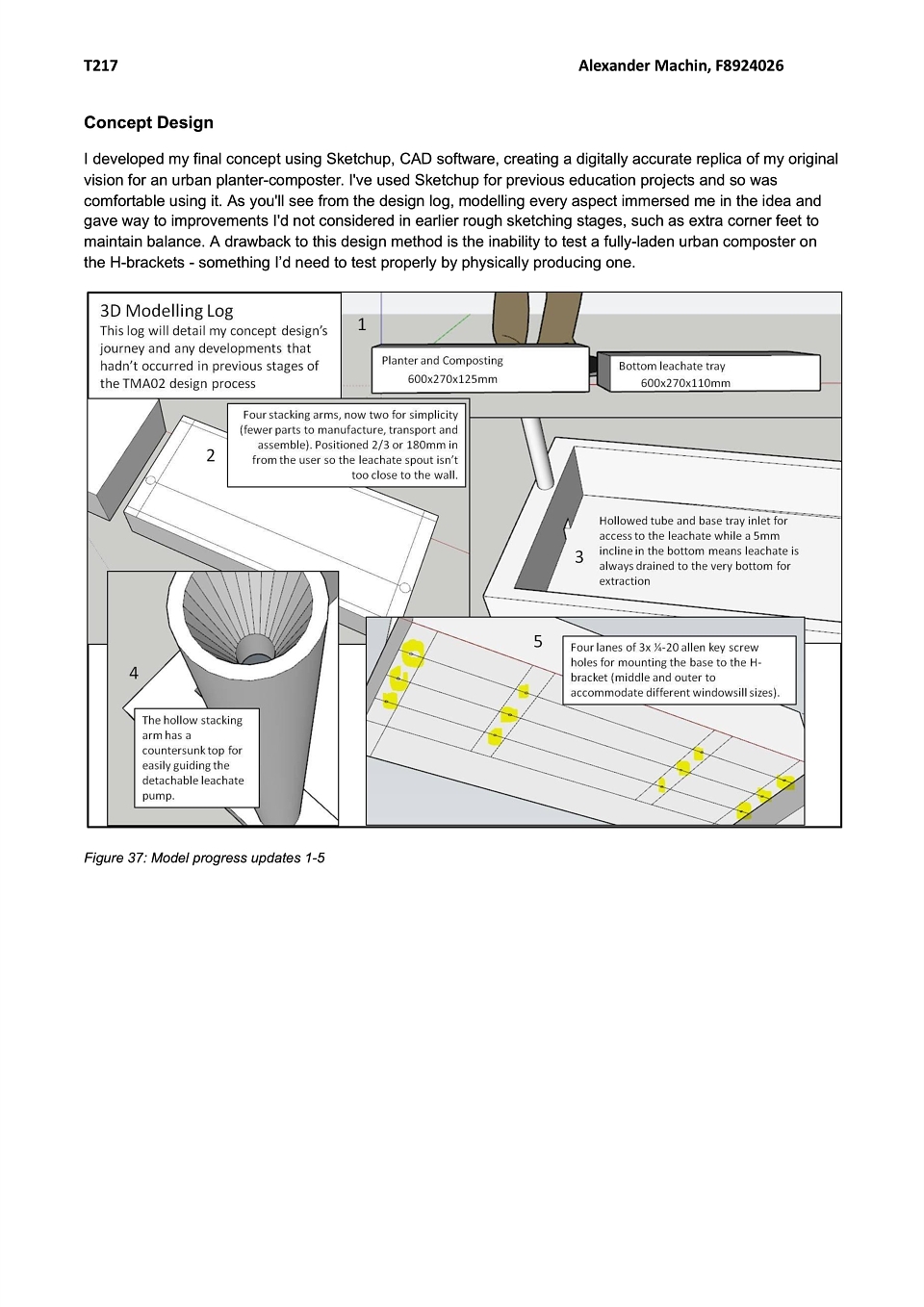
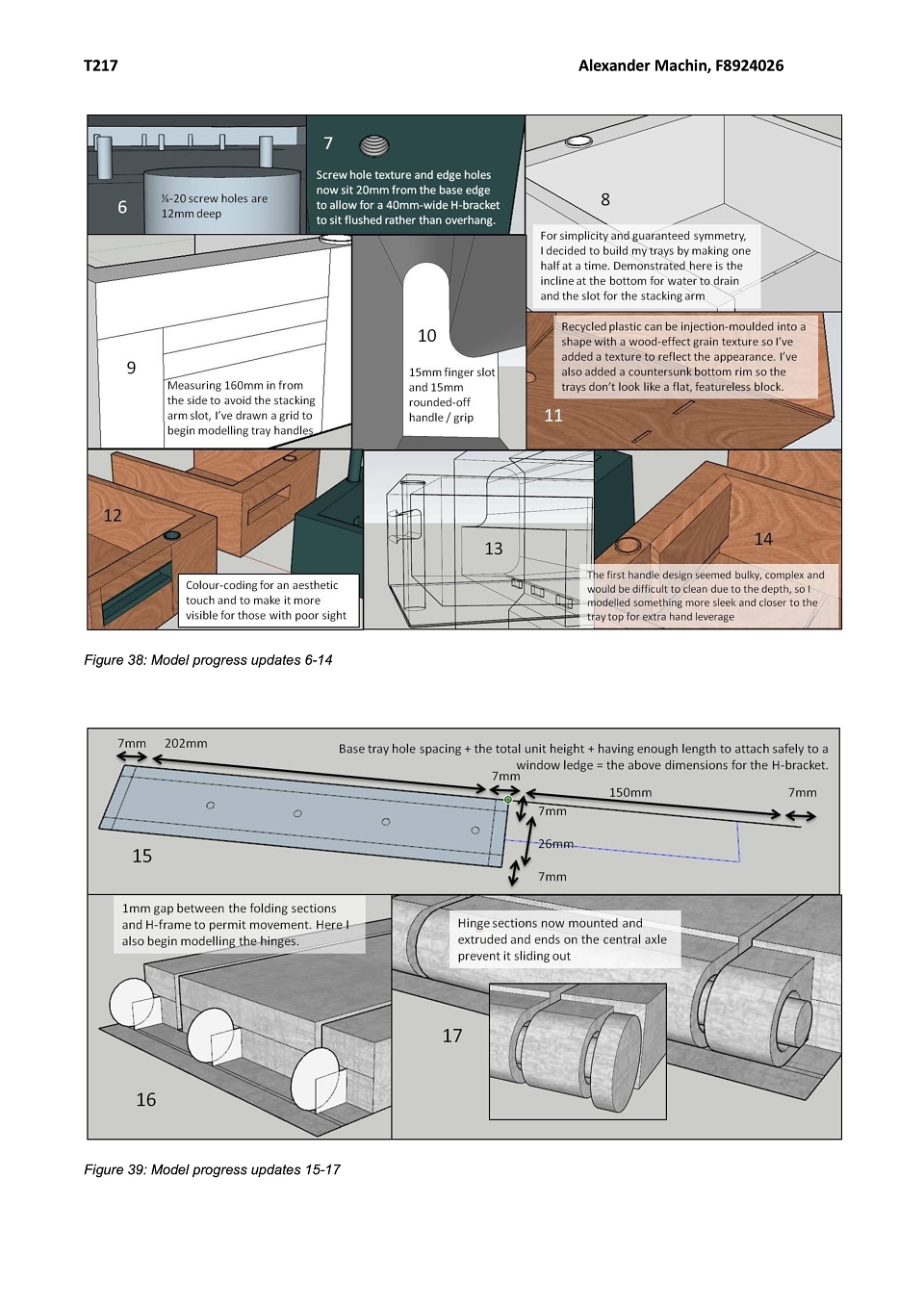
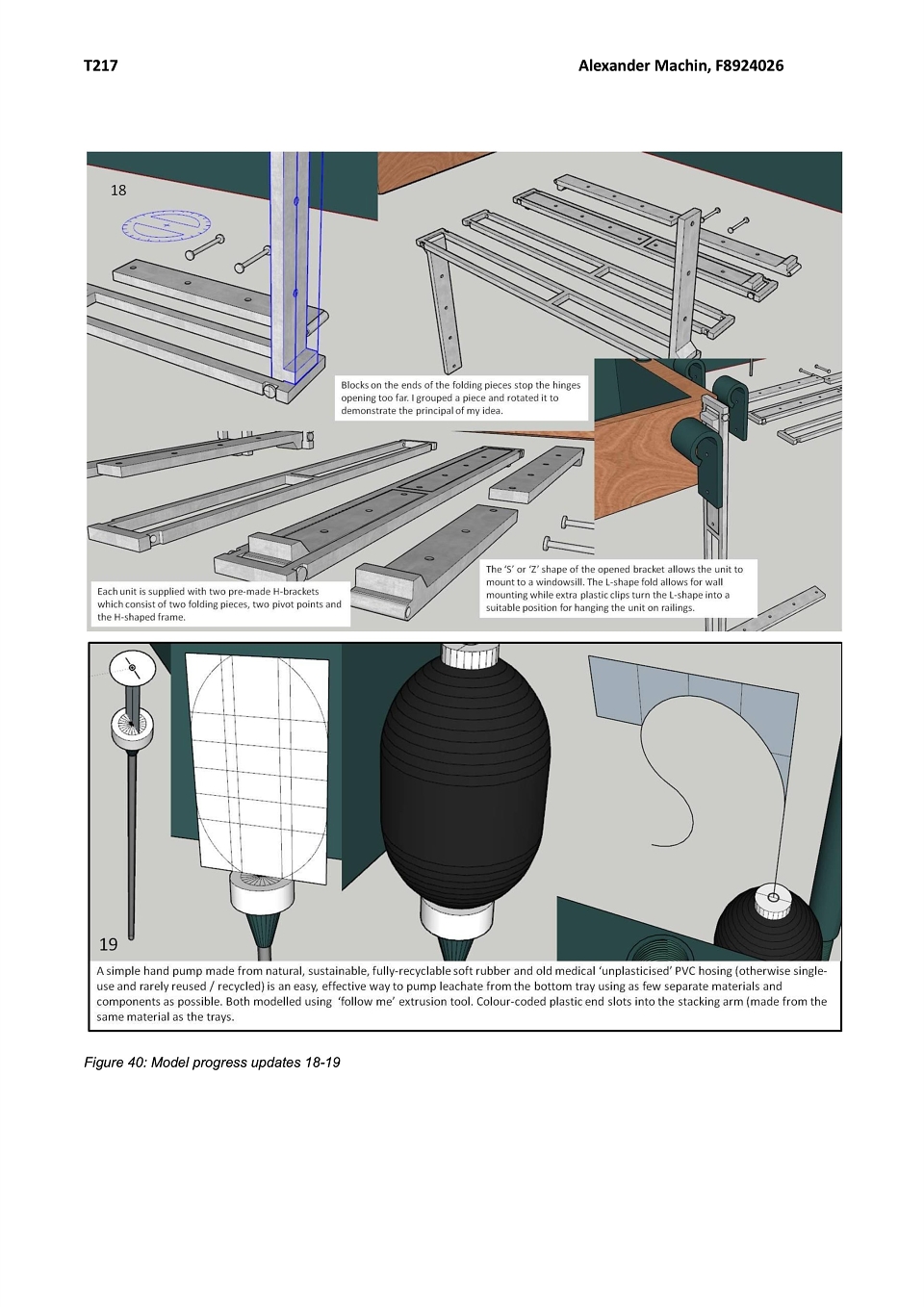
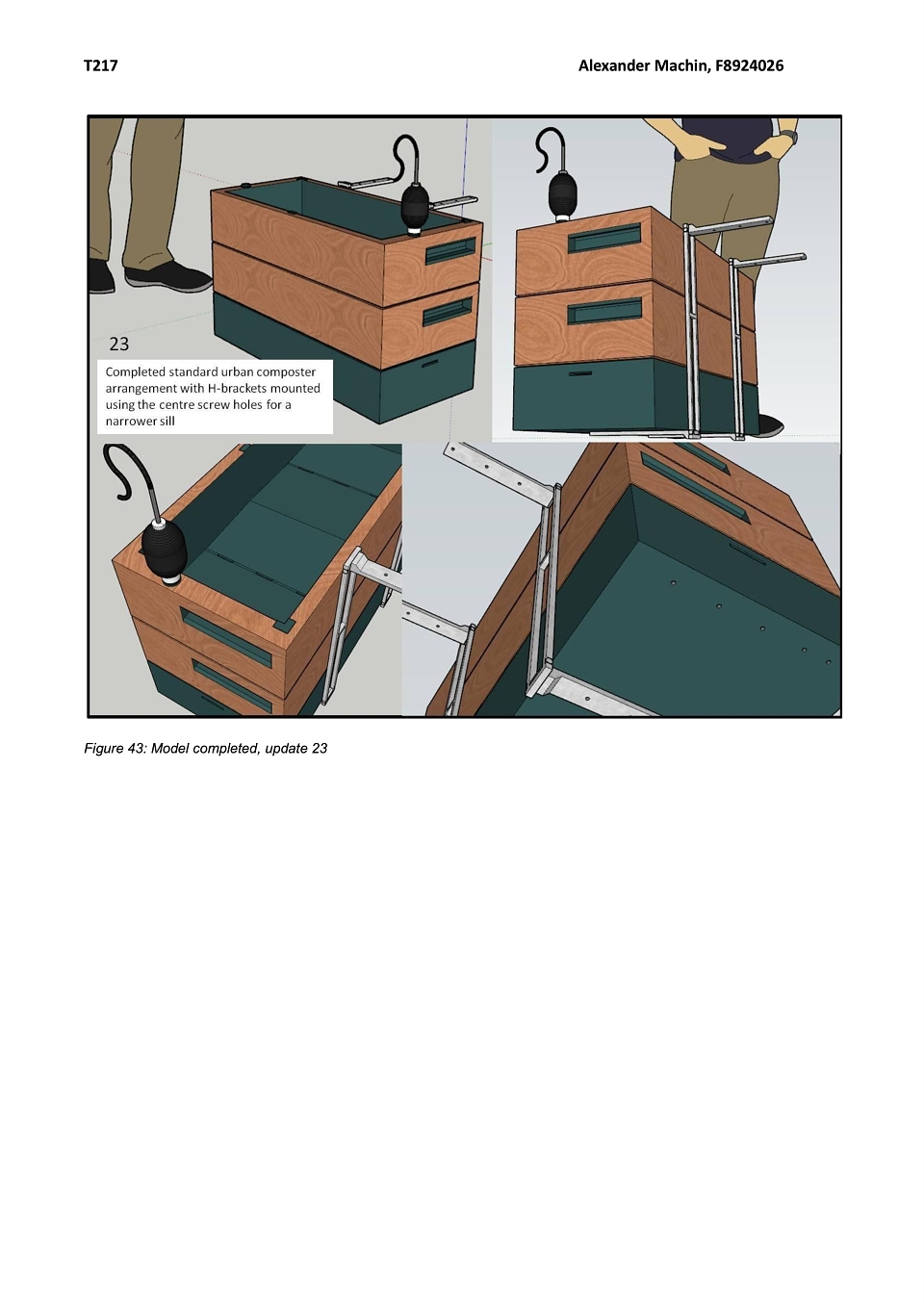
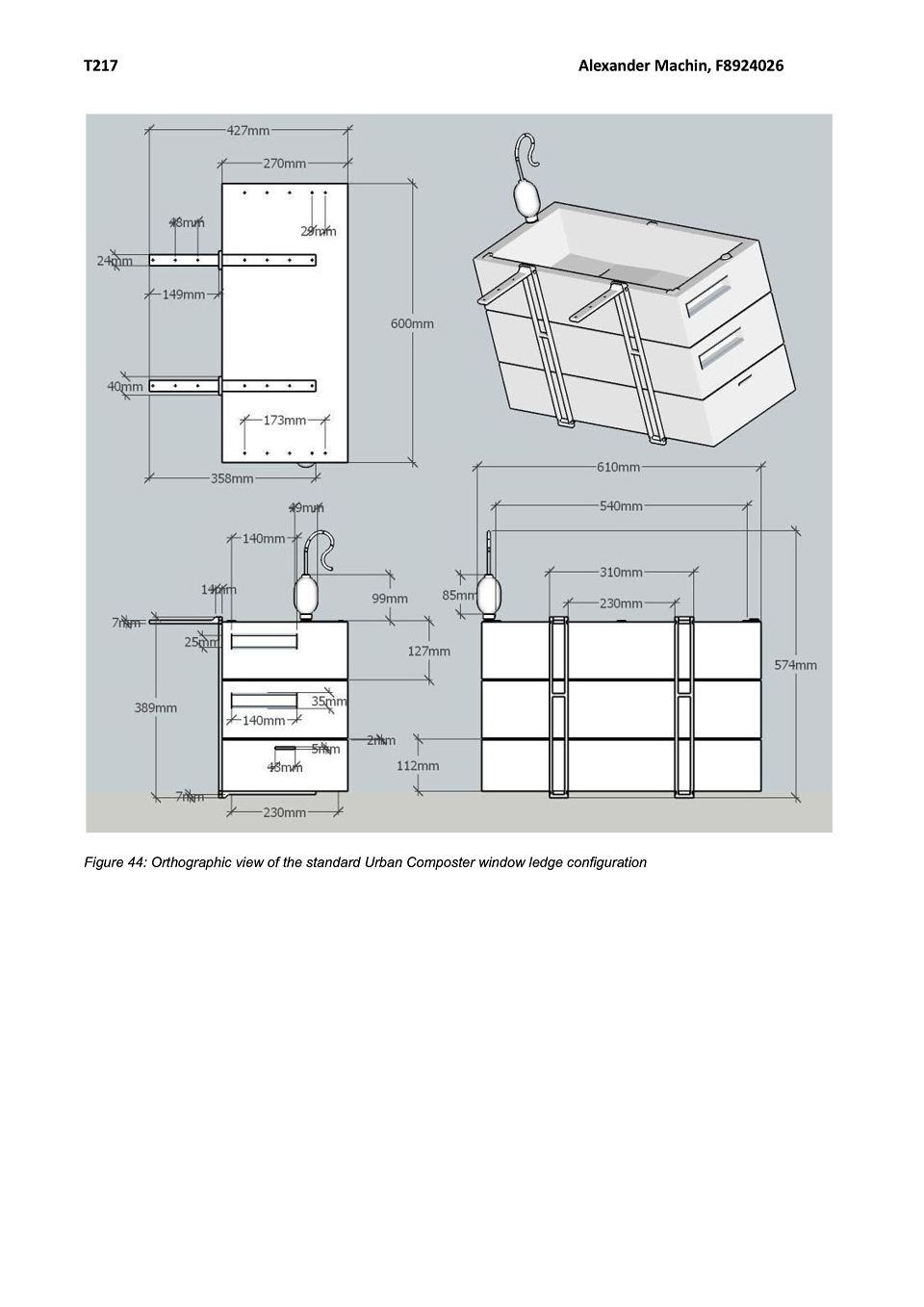
This brief, as part of the year 3 Open University course in Design & Innovation, entailed the detailed design of a new product that could be developed, manufactured and put on the market within 5 years. The product was to be something novel, aesthetically pleasing and have the ability to work successfully in a specified environment; a 'green' product that placed emphasis on living with a more eco-friendly mindset.
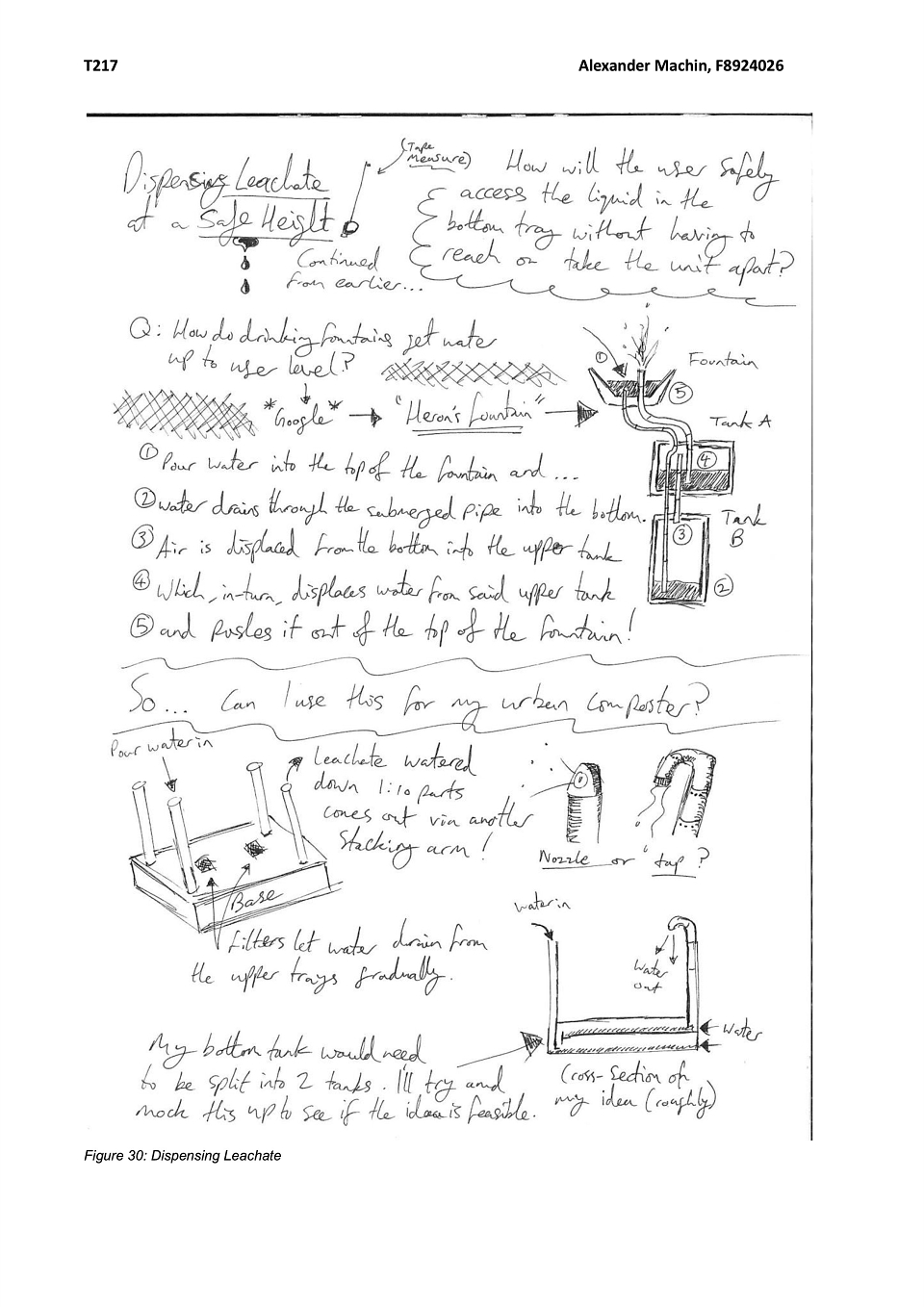
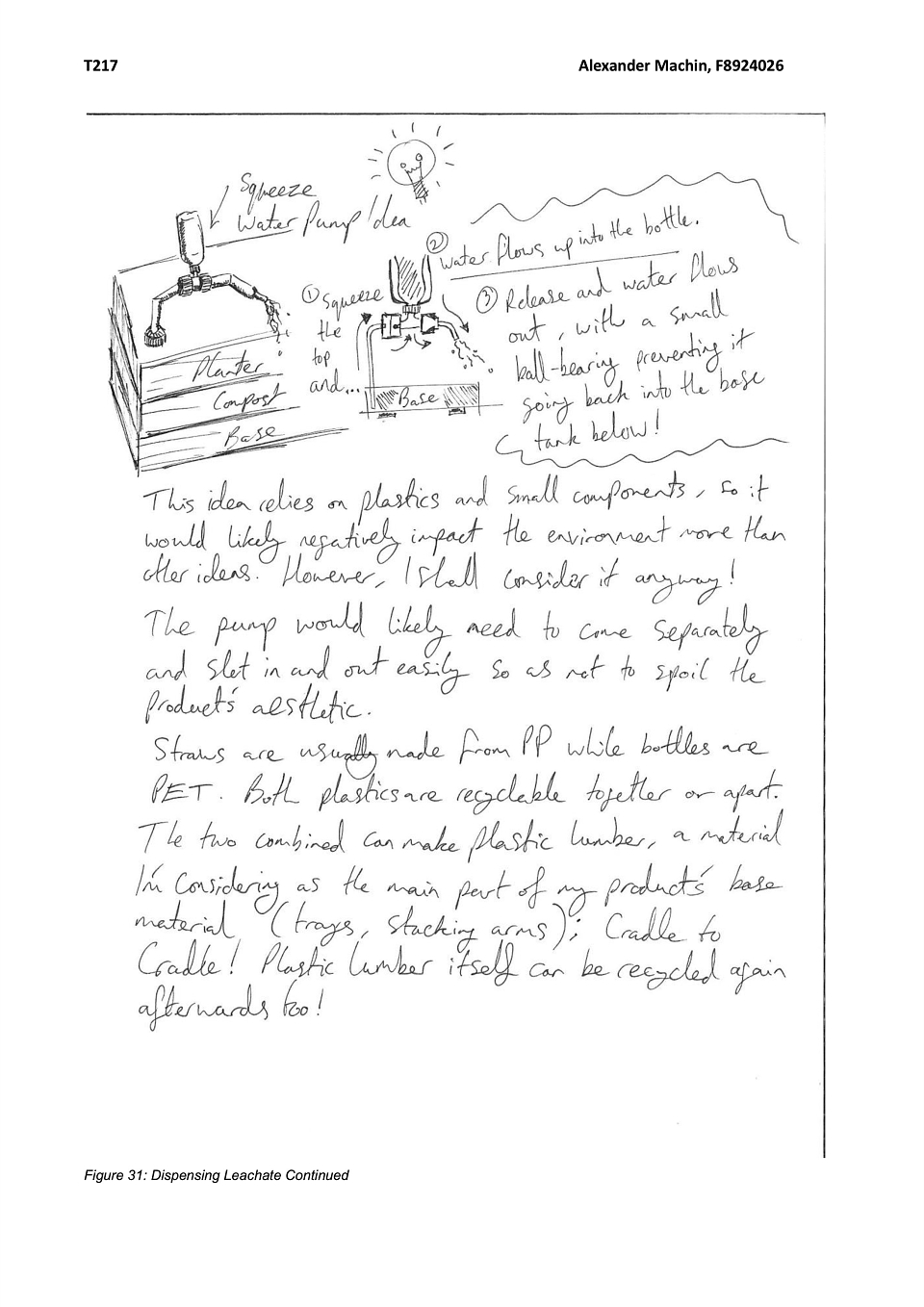
Initial product research and usage gave way to numerous issues with existing products and a gap in the market for my product to sit. Existing products, such as the 'bokashi' bin, leaked or gave off bad odours, and could not allow the user to simultaneously grow plants.
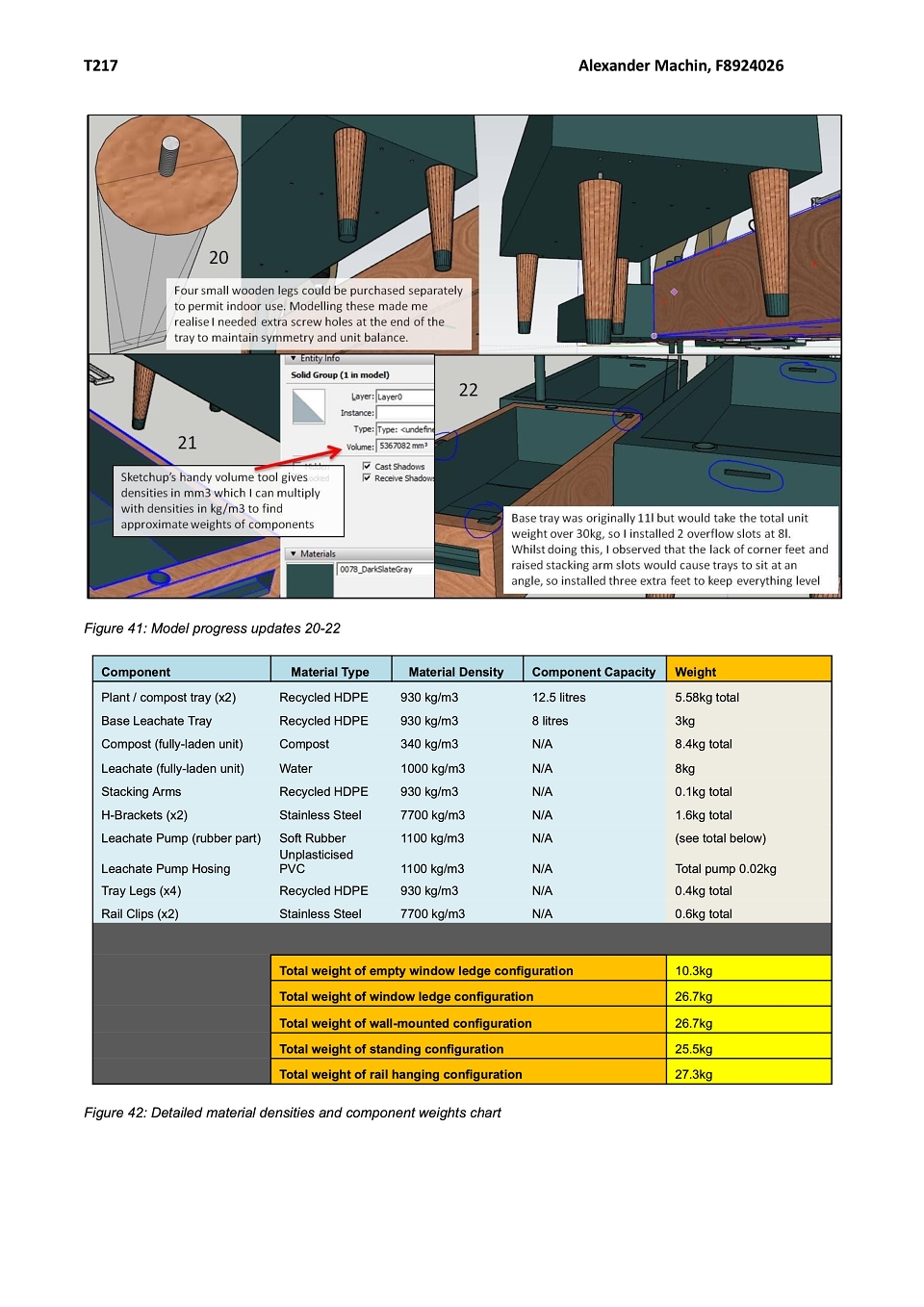
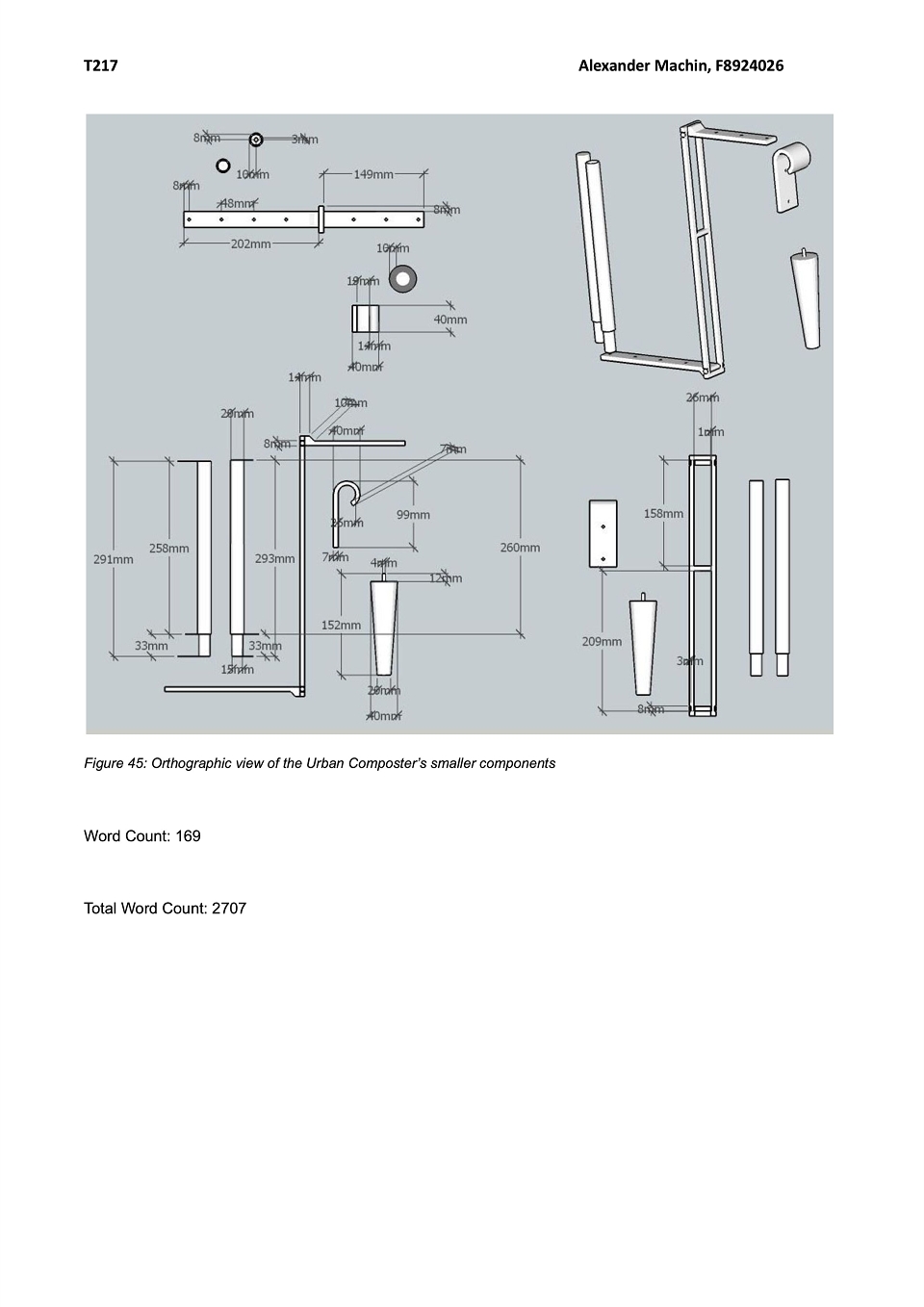
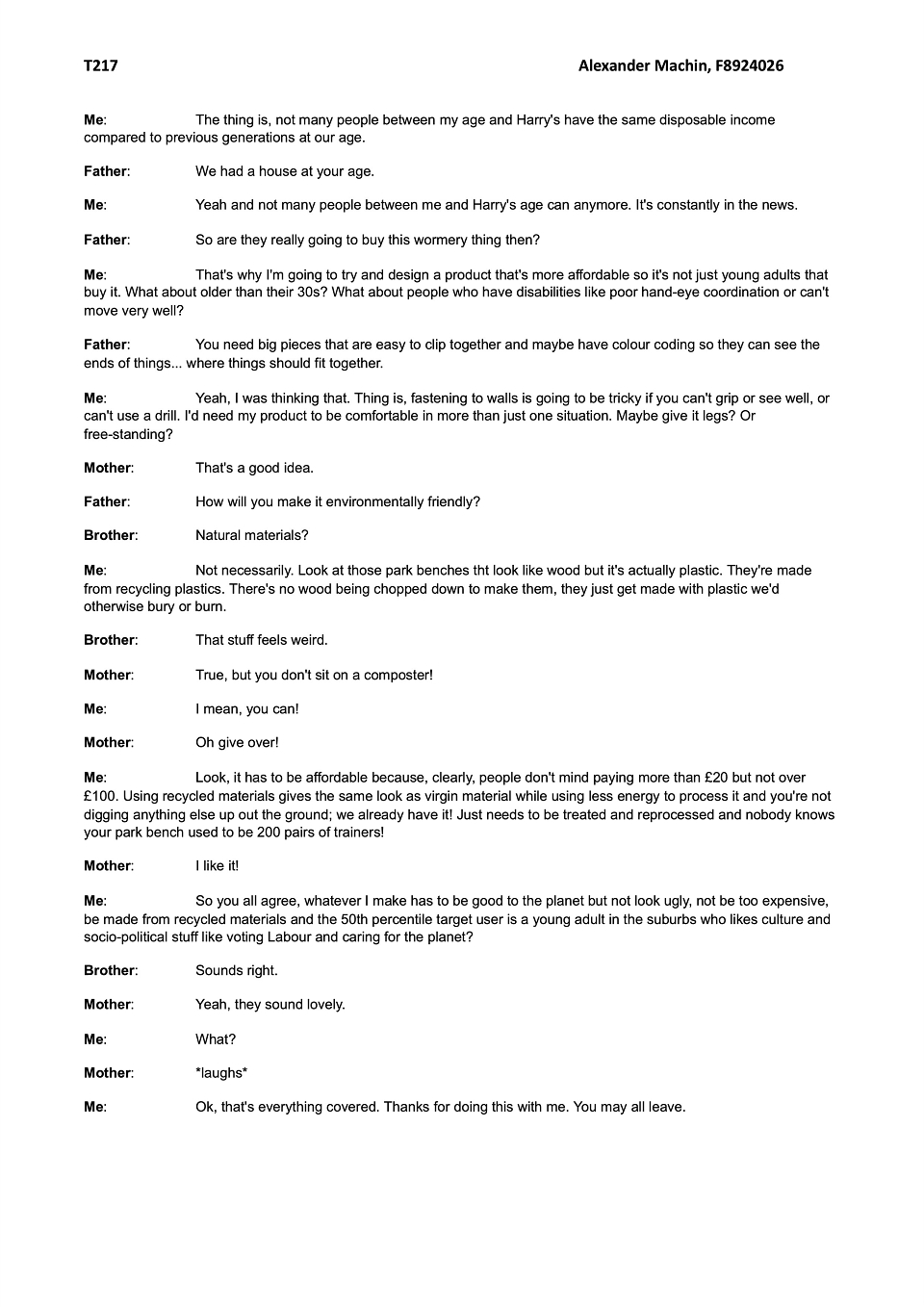
Assessing needs and requirements for potential users over a vast age range, taking into account disabilities, gave way to a targeted design which had thought put into every feature and stage of the product's lifecycle. Materials were to have good visual properties, be able to be manufactured with and recycled easily and affordably, support the full load of the compost and planter both on a wall, railing or stood inside someone's home. Similarly, every key component had to have a visual guide that made assembly intuitive, and product use was to be accessible for those with some visual as well as physical impairments.
The result of this project was one of the highest grades in the year and my second highest grade in year 3 of my course.