

I've had three creative epiphanies in the last decade that changed the way I work forever. The first was an encounter with a genius dyslexic designer. The second was a clash with an authoritarian Creative Director, who demanded I should concept 'his way'. And the third was a job interview gone wrong when I suggested co-sharing with a peer that was as well received as a fart in a lift!
These moments weren’t the awkward, uncomfortable one-offs that you talk about over a glass of wine with your friends, they were the fuel that has shaped how I now work as a Creative Leader.
The 'creative herd': Understanding industry-wide behavioural patterns
I'm not one for generalisations about all creative professionals but what I have discovered, through research and working with dozens of creative teams over the past 14 years, is that there are consistent behavioural patterns specific to the Creative Industries; from designers to strategists to producers. Understanding these will make the work more innovative and well, creative.
Better understanding the people behind the craft elevates the craft so I'm inviting my peers to be aware of specific industry traits to better understand their teams, drives creative excellence. And, in most cases, have a positive impact on the bottom-line.
Three key behavioural patterns
Whilst creative professionals exhibit differences across multiple dimensions, including socio-economic background and gender representation, three patterns emerge most consistently:
Zara Picken
1. Higher neurodivergence representation
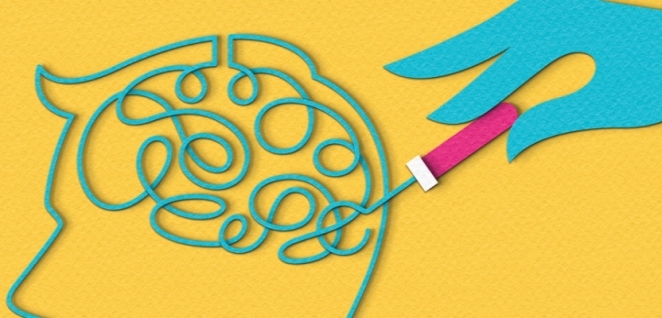
Creative Industries show significantly higher rates of neurodivergent professionals, including those with dyslexia, ADHD, and other cognitive differences. Recent data estimates that "between 20% and 50% of those working in creative industries are neurodiverse, compared to around 15% of the UK population at large."
Traits like hyper focus, pattern recognition and non-linear thinking are often creative superpowers. However, neurodivergent professionals often struggle in traditional corporate environments designed for neurotypical communication and work styles.
The path forward is, at its most basic, educating people about incredible neurodivergent traits. At its most advanced, it involves creating an employee experience from interview to meeting cadence and feedback delivery. During a job interview, for example, knowing if a candidate is neurodiverse would mean sending discussion topics in advance so attendees can mentally prepare - among other provisions. The experience should also include rethinking physical spaces to accommodate quieter areas among other adjustments.
2. Lower emphasis on ‘authority’
Research by the Creative Industries Policy & Evidence Centre (PEC) aligns with the finding that creative professionals tend to place a lower emphasis on the moral foundation of authority compared to professionals in more traditionally hierarchical fields like legal, military or finance.
And before HR - or indeed everyone - freaks out, I'm not suggesting people should disrespect leadership. I'm suggesting the recognition that creativity thrives in environments without a rigid hierarchy. Where all ideas are good, if they are good, not because they come from the most senior person, otherwise it can be difficult for new, unconventional ideas to emerge.
3. Burnout and work-life integration
Many creative professionals report a persistent challenge in mentally disengaging from creative thinking, with ideas and problems often continuing to occupy their minds even during personal time. This contrasts with more analytical fields, where tasks often have clearer completion points that facilitate mental 'off-switches,' a difference often attributed to the inherent nature of the creative process which relies on continuous ideation, incubation, and personal immersion.
The inevitable 'always on' nature of creative work may lead to burnout and anxiety. In his recent book” "Well-Being and Creative Careers" Professor Mark Deuze of the University of Amsterdam argues that the industry’s reliance on workers’ passion normalises exploitation, a phenomenon he calls Cruel Optimism. “What makes work special — creativity, autonomy, storytelling — is also what traps people in cycles of self-sacrifice”.
The positive impact here can take many shapes: more active recovery time, flexible project cycles, adjustable work arrangements, "inspiration time" separate from holiday time and many more.
This is when we hear HR scream "we can’t calibrate for everyone". Hold on HR! I'd argue that you can make different arrangements for different departments. With the help of technology to save time and create efficiencies.
The business case for creativity-enhancing cultures
The implications go far beyond making creative teams "happier." When organisations design systems that align with how creative minds actually work, teams show higher engagement, lower turnover and increased psychological safety. What’s not to like!
Research on person-environment fit consistently demonstrates that when workplace characteristics match individual personalities and working styles, employees experience higher satisfaction and engagement, whilst organisations benefit from improved retention rates. And that could save companies £30,000 per employee, depending on their seniority, geography and other factors.
Yet most companies still force creative teams into corporate moulds, more suitable for other industry verticals. The cost of this mismatch breeds unhappy people and mediocre creative work.
Designing for creative excellence
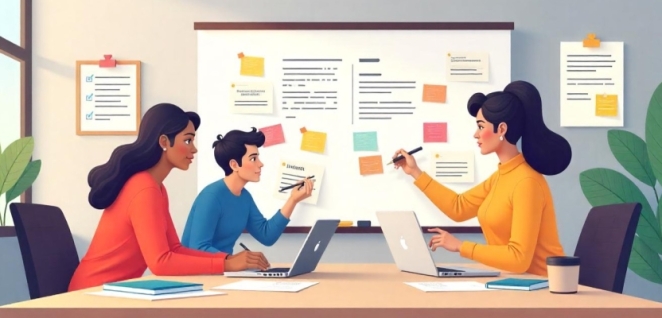
Creative Leaders need to take a step back and intentionally design team dynamics that amplify the natural strengths of creative professionals as a 'herd' - as well as individually, although the latter deserves an entirely different article!
For now, I'm asking Creative Leaders to optimise for creative 'herd preferences' - and they can start with the 3 discussed here. At team level this means reconsidering the creative talent experience from titles to time-off.
The uncomfortable truth is that most Creative Leaders know their teams work differently, but they lack the framework to design - and 'internally upsell' - systems that reflect this reality.
The good news is that a framework to help Creative Leaders to assess and redesign team dynamics based on specific behavioural insights is possible and not difficult to achieve. As for the upsell? When leaders from adjacent departments and disciplines understand how creative minds actually work, they also advocate for creative excellence. They welcome the desire for building resilient teams capable of evolving with whatever disruption comes next.
I wish I could have told that dyslexic designer that he deserved environments created for how he naturally worked, explained to my overly-authoritative Creative Director that he needed to re-think his leadership style to better fit leading creatives and since 2015, I'd love it if employers would be more open to new ways of working (not just when they were forced to by Covid).
As AI reshapes our industry, the companies that will lead the next chapter of creative work are those that understand their human talent deeply enough to design cultures that elevate creative excellence. The data is clear, the tools are available, and the time is - well, was - yesterday. The question is: do you truly understand team dynamics and have the means to design it differently?