

When it comes to decoding the peculiar magic of the British Christmas ad season, few are better placed than our very own Hayley Sivner, Head of Strategy at TBWA/MCR.

Below, Hayley dissects the emotional, cultural, and creative alchemy behind the campaigns that define the nation’s festive mood each year. With wit and strategic insight, she explores why the best Christmas ads are the ones that capture who we are, what we need, and how we feel as a country. From the heart-tugging classics to the gloriously absurd dancing turkeys, Sivner reminds us that when brands strike the right note, they don’t just join the Christmas conversation. They become Christmas.
The Strange Power of a Good Christmas Ad
Every November, the British ad industry collectively straps in, takes a deep breath, and prepares for its most sacred annual ritual: the drop of the Christmas ads.
For a few glorious weeks, we all stop arguing about AI and start arguing about which supermarket made us cry the most.
Because Christmas ads aren’t just ads anymore. They’re as much of a bellwether of the festive season as the first mince piece hitting the shelves.
But why do they matter so much?
Because no other campaign window asks so much of us as storytellers. The brief is simple and impossible at once: make everyone in Britain feel something.

Done well, these films are emotional shorthand for what the country is feeling that year. Sometimes we want comfort (John Lewis). Sometimes we want chaos (Aldi’s Kevin the Carrot). Sometimes we just want to believe that a lonely snowman can find love if he tries hard enough.
The best ones don’t just sell stuff. They give us a collective feeling, a shared moment in an otherwise fragmented culture. That’s why we all still talk about so many of them a decade later. They weren’t just commercials; they were Christmas chapters.
Owning the Moment vs Renting It
But not all festive fame is created equal. Some brands rent attention, buying celebrity, spectacle, or expensive media to force themselves into conversation. Others earn it –by capturing the cultural mood so precisely that their work feels inevitable.
The ones that win understand tone, that elusive cultural temperature check. They sense when the nation’s had enough schmaltz, or when we could use a laugh.
That’s what it really means to “take over a cultural moment.” It’s not about owning the hashtag. It’s about tapping the exact emotional frequency everyone’s already tuned into but giving it your brand’s distinctive voice.
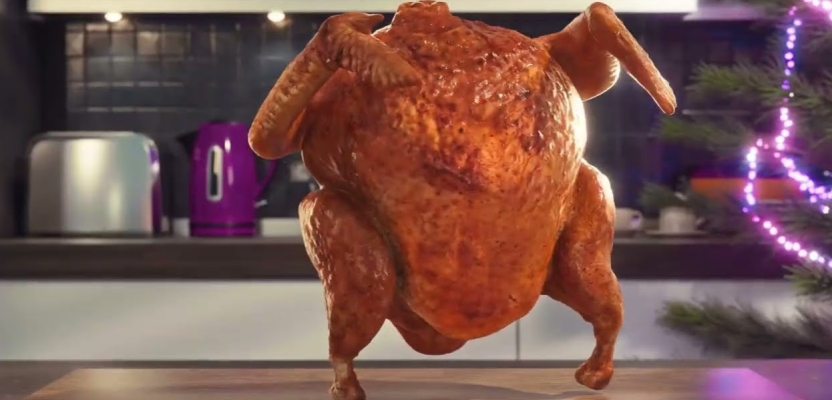
Enter: The Dancing Turkey
A recent example close to home for us is our work with Park Christmas Savings.
Park isn’t one of the big-budget retailers with Hollywood orchestras and snow-capped CGI villages. It’s a challenger brand built on a humble but beautiful truth: Christmas feels better when it’s already paid for.
In a market where many brands leaned into nostalgia or melancholy to compete for tears, we disrupted by doubling down on pure joy.
A feathered, glittered, utterly unbothered bird of pure festive energy, strutting through kitchens across Britain, and into TikTok feeds, group chats and dinner-table conversations.
It wasn’t trying to be clever. It was trying to be contagious.
And it worked, picking up an Effie Award in the process for turning the brand from a functional savings provider to an unapologetic 365-day Christmas champion. Because joy – real, unfiltered, “let’s have a laugh and not overthink it” joy – was exactly what people needed.
When the country’s feeling the pinch, a dancing turkey can sometimes say more about optimism than a thousand heartfelt monologues.
That’s the thing about Christmas: sincerity comes in many forms. Sometimes it’s a tear. Sometimes it’s a two-step.
The Ads We Remember
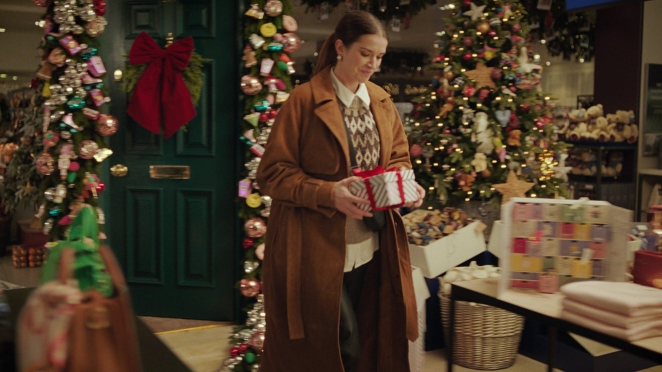
If you look back at the ones that truly stuck, they all share the same DNA:
- They feel true - Not “authentic” in the jargon sense, but genuinely rooted in how people behave.
- They surprise - Not by shouting louder, but by showing a new side of Christmas we didn’t know we missed.
- They entertain - Because let’s be honest, if we’re going to spend millions on a spot, the least we can do is make the nation smile.
The rest? Lovely craft, big budgets… but forgotten by Boxing Day.
Looking Ahead: Christmas 2025
So what about this year? What’s going to land?
If last year was about resilience – helping people find joy amid the chaos – this year feels like reconnection.
Our money’s on smaller, more human stories. Not another sweeping cinematic epic, but intimate, slightly messy moments: burnt roasties, dodgy jumpers, families who love each other loudly.
We think humour will make a big comeback. Not quiet wink-wink irony but warmth, wit, and personality by the bauble full. A shot of lightness among the earnestness.
Ultimately, the brands winning Christmas aren’t those with the biggest budgets or most sentimental scripts – it’ll be the ones who give us emotional relief, not emotional labour.
Why We Keep Coming Back for More
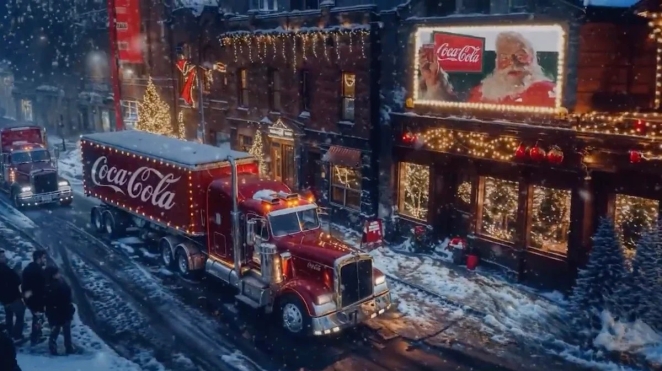
Every Christmas, someone inevitably asks: “Aren’t we bored of Christmas ads yet?”
We’re not. Because what we’re really watching isn’t ads – it’s us.
The way we hope, laugh, cope, and connect. The way we try to make sense of another year gone by.
And when a brand gets that balance right, when it says something about people rather than product, it doesn’t just enter the Christmas conversation. It becomes part of Christmas itself.
That’s why we love it.
That’s why we’ll all be glued to our screens again this November.
And that’s why, somewhere out there, a dancing turkey is already warming up for its encore.