

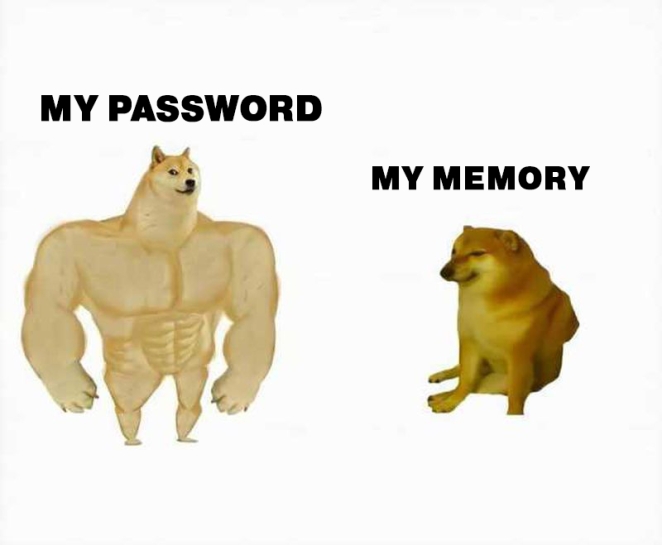
Memes used to sit on the edges of advertising culture, treated as disposable internet clutter while “proper” campaigns got on with the serious business of scripts, media plans and expensive production. That distinction looks fairly antique now. If anything, memes have become one of the purest expressions of how modern communication works: fast, referential, communal, emotionally legible in half a second.
As TikTok and every other feed-based platform have made painfully clear, people don’t just consume culture now. They chop it up, caption it, remix it, weaponise it, sentimentalise it and fling it back at one another with frightening speed.
Harvard Business Review noted more than a decade ago that advertisers had long understood the power of memes, only back then they were often the ones launching them. The balance has shifted. Culture now bubbles up from audiences, creators and communities first, and brands have to earn the right to join in.
That matters because memes aren’t just cheap laughs. They’re a language. GWI’s research found that almost three quarters of millennials and Gen Z use memes to express themselves, and that Gen Z spend around three hours a day on social media, accounting for 41% of their overall online time.
Almost three quarters of millennials and Gen Z use memes to express themselves
Sprout Social’s 2026 research adds another useful wrinkle: Gen Z say they want brands to prioritise educational content, memes and skits, and highly produced episodic series, but they also want interaction and a sense that the brand actually understands the tone of the room. In other words, meme marketing works best when it feels like participation, not appropriation; like a brand knows the joke rather than a brand has just discovered the internet five minutes ago.
There’s another reason this subject matters right now. Kantar’s data shows that humour in advertising has dropped sharply over the past two decades, from 53% of ads globally in 2000 to 34% in 2024, even as social platforms remain dominated by funny, playful, lightly deranged content. That mismatch is one reason so much traditional advertising feels overcooked and underloved.
Meme culture, for all its chaos, reminds brands that entertainment still works, that wit still works, and that people are far more willing to spend time with a message if it gives them something in return beyond blunt persuasion. The best uses of memes in advertising succeed because they understand that truth. They don’t just borrow internet culture. They add to it.
Why meme marketing matters to modern brands
NIshant Bahukhandi
The phrase meme advertising still makes some people in adland twitch, usually because it conjures the image of a desperate intern pasting a logo onto a tired reaction image and calling it social strategy. Fair enough. There has been plenty of that. But properly understood, meme marketing is less about a particular format than about compression. A good meme says a lot, very quickly. It packages a feeling, a social cue, a point of view and a nod of recognition into something instantly shareable. That’s gold dust in a media ecosystem where attention is brutally contested and where short-form creative has to establish brand recognition almost immediately.
System1’s work with TikTok found that short-form ads need distinctive assets in the first two seconds, and that a fluent character can lift brand awareness by 57%. That’s why memes are so attractive to marketers: they are often built around instantly recognisable cues, rhythms and characters. The problem is that the format is seductive enough to tempt lazy work.
A good meme says a lot, very quickly
And lazy work gets punished. Adobe’s 2025 research on trend-chasing found that one in four marketers said they had gone viral with trend-driven content, with 79% of those gaining new followers, which is precisely the sort of result that keeps teams doom-refreshing trend dashboards and begging for same-day approvals. But the same study found 39% said their trend-led content had flopped because they rushed it.
That’s the real meme advertising equation in miniature. The upside can be dramatic. The downside is public, immediate and often embarrassing. A meme can make a brand look culturally sharp, but it can just as easily expose how little cultural literacy sits behind the post. This is why the best uses of memes in advertising aren’t the fastest or loudest ones. They are the ones that match speed with judgement.
The smartest meme ads translate culture rather than copy it
A useful dividing line in this conversation is the difference between copying a meme and translating it. Copying is lazy. Translating is creative. The classic example remains EE’s “Fenton” remaster from 2012. Rather than merely posting the original clip and hoping some borrowed virality rubbed off, EE rebuilt the whole thing in full HD as a knowingly overblown cinematic spectacle to demonstrate that people could stream high-definition YouTube video on the go over 4G.
The original clip had attracted almost 7.5 million views by that point and, crucially, that the video had been licensed through Viral Spiral. The remaster followed the same storyline but escalated it with “dramatic cinematography,” interactive functionality and retail integration.
That’s the difference between meme theft and creative adaptation. The cultural object remained recognisable, but the brand found a genuine product truth inside it and then produced something enjoyable enough to justify its own existence.
That last point matters more than it first appears to. Too many meme-led ads are built backwards: someone spots a trend, shouts “we should do that,” and only later tries to work out what the business relevance might be. With Fenton, the product demonstration came first. The joke landed because the execution was lavish and self-aware, yes, but also because the whole point of the remaster was to dramatise the improvement in viewing quality.
Too many meme-led ads are built backwards
The brand wasn’t just hanging around the meme in the hope of looking cool by association. It was saying something about the service. That’s what makes the campaign still feel instructive. It respected the original internet moment, paid for the rights, and then used proper ad craft to push it somewhere new.
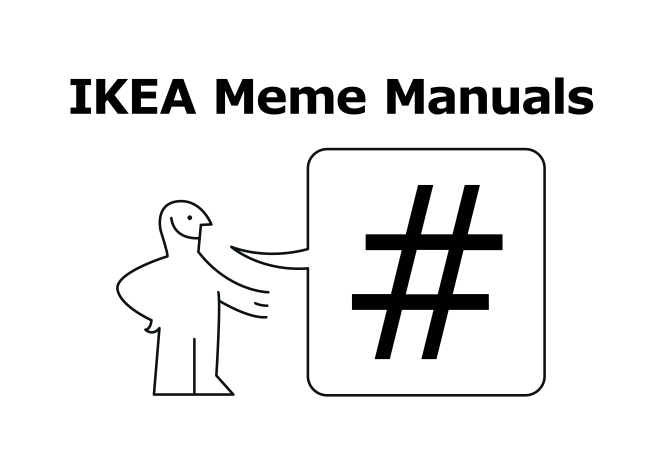
A slightly different but equally smart version of this approach came from IKEA’s “Meme Manuals.” Rather than borrowing an external meme template, the brand turned one of its own most recognisable assets (the assembly manual) into a real-time response format for trending topics and everyday cultural conversations.
The idea was to use the manual as a brand-native metaphor for offering pragmatic, humorous takes on current subjects, with the posts designed to look and decode like genuine IKEA instructions. The result was not only on-brand, but measurably effective: fan growth outperformed other days by 38%, while nearly all posts exceeded the page’s engagement KPI. Again, the lesson is simple.
The cleverest meme marketing often begins with a brand’s own visual grammar. If you can make the meme feel like it could only have come from you, you’ve already escaped the worst trap.
When a brand becomes the meme
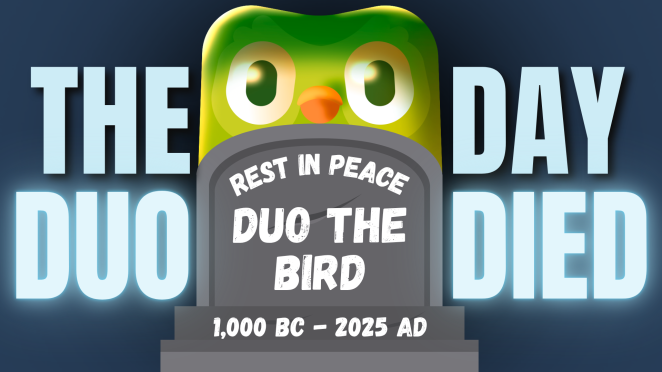
There’s an even stronger route available to brands, and it’s the one most worth studying: stop chasing memes and build a branded world that can generate memetic behaviour on its own. That’s essentially what Duolingo did with Duo the owl. TikTok’s own case study for the brand reported 90 million video views, a 39% click-through rate above benchmark and a 1,400% increase in new followers from one campaign.
Sprout Social’s breakdown of the account’s early breakthrough is even more telling: one of the videos playing into the “menacing owl” joke pulled in more than 3.3 million views and 700,000 likes, and the team quickly realised the formula worked because it married trends to an already memed brand mascot rather than slapping the brand awkwardly onto unrelated formats. Duo gave them a fluent character.
System1’s work helps explain why that matters: those distinctive assets do a disproportionate amount of heavy lifting in short-form environments where memory is fragile and feeds are crowded.
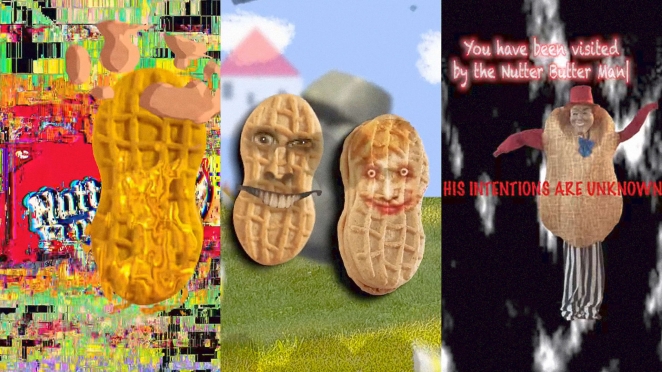
The same principle is visible in Nutter Butter’s bonkers social renaissance. The brand didn’t win by dutifully referencing whatever joke happened to be trending that week. It won by constructing “The Nutterverse,” an absurd, slightly unnerving, community-fed world that felt native to TikTok’s stranger corners while remaining unmistakably tied to the product.
Almost 60% of consumers want brands to prioritise original content over trend-hopping
By June 2025 the brand had more than 1.6 million TikTok followers, with Mondelez executives crediting the organic, low-budget weirdness for gains in awareness, relevance and equity. That’s not meme marketing as garnish. That’s meme logic turned into a brand platform.
What’s especially interesting about Duolingo and Nutter Butter is that they align with a broader truth from Sprout’s Gen Z research: trends and memes are not a silver bullet, and “chasing culture rarely works.” The stronger play is to create culture, or at the very least create something with its own point of view.
Consumers may want brands to keep up with online culture, but Sprout’s research also found that almost 60% want brands to prioritise original content over trend-hopping, and that the most memorable brands tend to be distinct, honest and inspirational rather than merely viral. That’s a useful corrective.
Being chronically online isn’t a strategy. Memes in social media advertising work when they accrete around a recognisable voice, not when they serve as camouflage for the lack of one.
Reactive marketing works when the brand improves the joke
Reactive meme marketing is slightly riskier because the shelf life is shorter and the margin for embarrassment is thinner, but it can be brilliant when the move is bold enough and the writing is good enough.
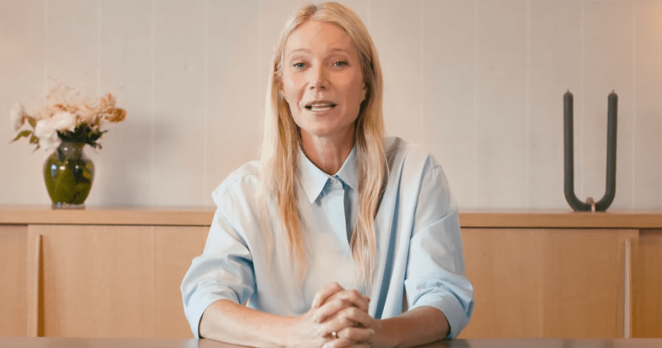
The standout recent example is Astronomer’s July 2025 response to the Coldplay kiss-cam fiasco that abruptly dragged the data company into mass culture. Rather than issue a beige statement and hope the internet moved on, Astronomer released a deadpan video titled “Thank you for your interest in Astronomer,” fronted by Gwyneth Paltrow as a “temporary spokesperson.”
As People and The Washington Post reported, the gag worked by pretending to answer the public’s lurid questions before briskly pivoting to what the company actually does: Apache Airflow, data workflows, AI pipelines, and an upcoming event. Crisis consultant Mark Borkowski called the move “utter genius,” and the video itself framed the whole thing with the confidence of a brand willing to laugh with the internet rather than cower behind legalese.
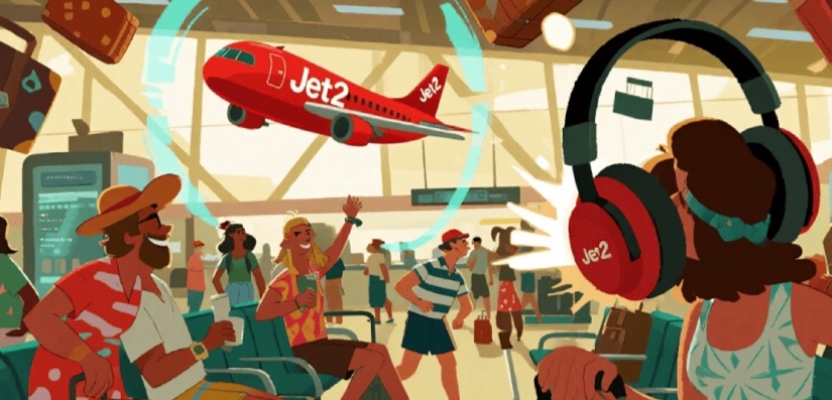
The inverse case is also revealing: when the brand becomes the meme without planning to. In 2025, Jet2holidays found its “Nothing beats a Jet2 holiday” advert soundtracking millions of ironic travel-fail posts. More than 1.3 million videos had used the sound by July 2025, while the hashtag #nothingbeatsajet2holidays had surpassed 25,500 posts. Jet2 didn’t invent the joke, and it certainly didn’t control all of its meanings, but it did the sensible thing by leaning in with its own clip and a £1,000 challenge rather than trying to suffocate the trend.
The original advert already had social-media DNA built into it too (all glossy POV holiday shorthand and Instagram-era aspiration) which meant the meme was, in a sense, latent in the asset from day one. That’s worth remembering. Sometimes the best use of memes in advertising is not making the meme yourself, but recognising when your own branding has become one and responding with enough grace to steer the energy rather than kill it.
The line between funny and cringe is thinner than most brands think
There’s, unfortunately, no shortage of evidence that brands still get this wrong. The basic error is easy to describe and even easier to make: confusing cultural recognition with creativity. Spotting a meme is not the same thing as having an idea. Which is why the sharpest warning in this whole territory comes from Rory Robinson, Creative Director at Joint:
We’ve all been there. You’re struggling to find a good headline for the car, yoghurt or 18 month flexible cash ISA brief on the table so you think, let’s steal a popular meme format. But then you remember, that’s a very lazy form of copywriting, and shouldn’t we set higher standards for ourselves?
After all, what’s trending now might be cringe in two weeks. That’s not to say memes can’t be used to inspire great creative. Amongst the avalanche of ‘Coldplay couple’ related content last year, the crown has to go the company of the CEO himself ‘Astronomer’. They took a big swing by hiring Gweneth Paltrow to divert the newly acquired attention away from the incident itself and onto what the company actually does, whilst getting a few laughs along the way.
Another one I always come back to (an oldie for sure but a goodie) is EE’s remastering of the ‘Fenton’ meme to advertise that customers could now watch HD videos on the go.
By re-imagining the shaky mobile phone video as a big budget cinematic set-piece, it allowed fans of the meme to enjoy it in a whole new way. Putting big brand budget behind elevating what originated as a lo-fi capture of a spontaneous moment.
So by all means use memes in ads, but hopefully in a way that has its own viral potential, rather than just adding to the noise. Or let’s even (and here’s an idea) create something original that people want to share as much as a meme?
He’s right. The reason those examples feel strong rather than parasitic is that they do more than reference culture. They transform it. They introduce a fresh angle, a product truth, a new production value, a smarter layer of self-awareness. By contrast, the mediocre meme ad tends to do the bare minimum: borrow the rhythm, borrow the caption logic, borrow the public’s affection, then stuff in the brand like an afterthought.
GWI warns that the shelf life of a meme can be as short as a few hours and that Gen Z are quick to unfollow brands that miss the tone. Just because you see a spike in cultural relevance doesn’t mean your brand should immediately use the term or template, and once brands overuse a phrase, they often accelerate its death.
There’s also a less glamorous but very real craft dimension to this. Rights matter. Credit matters. Cultural origin matters. EE’s Fenton remaster, again, is useful because the original video was licensed, not pinched.
Brands need to avoid copying creators and other brands one-for-one, understand the cultural context and origins of a trend, and let influencers or creators take the lead when a brand’s own voice is better served by a degree of distance. That’s especially important when meme culture overlaps with slang, niche communities or creator-owned formats. The internet has a savage nose for insincerity, but it’s equally good at spotting theft dressed up as trend fluency.
Operationally, the challenge is just as severe. Adobe’s trend-chasing research found 37% of marketers reported high burnout from the pressure to respond constantly, while 22% said they felt pressure to answer trending topics daily or several times a week. That kind of pressure creates exactly the conditions in which half-baked meme work gets made: rushed, anxious, under-discussed and approved because everyone is scared of missing the moment.
The antidote is not banning memes. It’s building better criteria. Does the trend fit the brand voice? Is there an actual product or brand truth at the centre of it? Are we adding something recognisably new? Can we move at the right pace without making fools of ourselves? If the answer to those questions is murky, the post probably doesn’t need to exist.
What the best uses of memes in advertising actually look like
When you strip away the noise, the best meme marketing examples tend to fall into a few clear patterns.
One is the remaster: take an existing meme or viral asset, clear the rights, and reimagine it with a product truth attached, as EE did with Fenton.
Another is the brand-owned meme format: use a distinctive asset that already belongs to the brand, such as IKEA’s assembly manual, to enter cultural conversation in a way that feels recognisable and repeatable.
A third is character-led worldbuilding, where the brand becomes the source of the joke rather than a parasite on it, as with Duolingo’s owl or Nutter Butter’s peculiar fever dream of a social universe.
Then there’s reactive redirection, where a brand finds itself inside a meme whether it asked to be there or not and responds by clarifying, amplifying or channelling the moment, which is what made Astronomer and Jet2 interesting for completely different reasons.
What joins all of those examples is brand memory. The best meme ads are not merely amusing. They are memorable in a branded way. System1 and TikTok found that when brands entertain, they generate 39% more memory lift and double the brand-awareness lift in viewers. But that entertainment only accrues long-term value when the brand is clearly there in the first place, ideally through a distinctive asset, fluent character, recognisable tone or product relevance.
That’s why the worst kind of meme marketing can go spectacularly viral and still be commercially hollow: people remember the joke, perhaps, but not who told it or why. Great meme advertising leaves behind both a laugh and a breadcrumb trail back to the brand.
This is also why the old split between brand advertising and social content feels less useful than it once did. In 2026, the social account is often part billboard, part customer service desk, part editorial product and part live comedy room. The feed is not below-the-line fluff. It’s where a lot of brand meaning is now negotiated in public.
If that sounds exhausting, it’s. But it’s also why memes matter so much to modern advertising strategy. They are not a side quest. They are one of the clearest signals of whether a brand can behave like a participant in culture rather than a sponsor lurking awkwardly on the edge of the dance floor.
The future of meme advertising is originality with a pulse
Lucy Sutton
The most useful conclusion here is not that every brand should become “unhinged,” nor that every social team should now spend its days trying to locate the next viral sound. Plenty of brands shouldn’t touch meme formats at all, just as plenty of brands have no business trying to use online slang.
Cultural fit matters and some brands are better served letting creators handle the looser, more vernacular edge of online communication. Audiences want brands to understand culture, yes, but they still value originality, honesty and distinction more than trend-chasing for its own sake. That’s actually reassuring. It means good strategy still beats opportunism.
What brands do need is a healthier relationship with humour, a quicker route from insight to execution, and enough self-awareness to know whether the joke is genuinely theirs to tell. Kantar’s numbers on the decline of humour in advertising suggest the industry has grown oddly frightened of making people smile.
The best memes in advertising are the ones that make the work sharper. Funnier. More human
Meme culture offers a route back, but only if used with proper craft. The opportunity is not simply to look current. It’s to make work that feels alive to the way people actually talk, share and perform identity online. Done well, meme advertising can deliver brand awareness, earned reach, community participation and genuine affection. Done badly, it’s a cry for help with a logo attached.
And that, really, is the heart of it. The best uses of memes in advertising aren’t the ones that make a brand look younger, louder or more online. They’re the ones that make the work sharper. Funnier. More human. More shareable because it deserves to be shared, not because it has borrowed someone else’s momentum.
If there’s a standard worth keeping, it’s this: use meme culture to inspire better advertising, not to excuse worse advertising. The internet already has enough noise. What it still has far less of is genuinely great ideas.