


The creative industry is evolving at breakneck speed. After a turbulent couple of years, demand for content is higher than ever “on all fronts, yet budgets remain static.” In this climate, creative professionals must do more with less, leveraging new technologies and smarter processes to maintain excellence. According to several industry leaders, the smartest creatives today are zeroing in on three key upskilling areas to stay ahead of the curve.
Adrienn Major, founder of post-production house POD LDN, observes: “Right now, the smartest creatives are upskilling in three key areas: AI-native workflows, real-time & 3D production, and creative operations & automation.” Below, we break down these three focus areas – and why they matter so much for the next era of content.
AI-Native Workflows: Beyond Basic ChatGPT & Midjourney
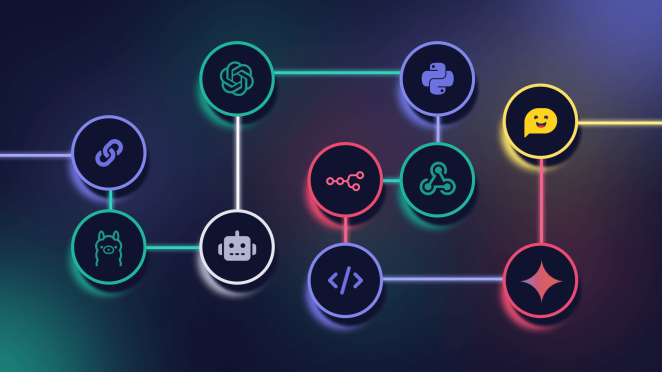
Integrating artificial intelligence deeply and strategically into creative workflows has become essential. This goes far beyond simply playing with Midjourney for images or ChatGPT for copy. It means understanding how to embed AI tools safely into production pipelines – from scripting and editing to post-production and asset management – to supercharge efficiency without sacrificing quality.
“AI has already shown it can speed up tasks in editing, VFX, and even scriptwriting… As it becomes more woven into workflows, it will help cut costs and save time,” notes Phil Medway of Gusto Film. Major echoes this productivity focus, saying her studio is prioritizing AI to “improve productivity… and be more efficient” for cost-sensitive clients.
The numbers back up this trend. A recent survey found 85% of agencies are already using or exploring AI, with 67% of advertising professionals using tools like ChatGPT to brainstorm concepts.
Crucially, 92% of brands and agencies see AI’s biggest opportunity in boosting efficiency in existing processes. In practice, this could mean automating repetitive post-production tasks, using AI for rough cuts or colour grading, or leveraging generative tools to produce variations of creative assets at scale.
The key is integration with intention – using AI assistants to handle grunt work while creatives focus on higher-level vision and storytelling. “Leveraging AI-powered tools and workflows will become essential” as content timelines shrink, especially for always-on platforms like TikTok and Instagram. Those who learn to harness AI as a “co-pilot” (without losing the human touch) will amplify their output and stay competitive.
On the flip side, upskilling in “AI-native” thinking also involves ethical and safe use of these tools, ensuring authenticity and addressing concerns like accuracy, bias, and IP rights as part of the creative process.
Real-Time & 3D Production: The New Creative Playground
The second upskilling priority is mastering real-time and 3D production tools – the likes of Unreal Engine, Blender, Houdini, and Octane. These 3D content creation and rendering platforms are no longer just for game studios or Hollywood VFX. They are “shaping everything from TikTok backdrops to beauty product flythroughs,” as Major puts it. In other words, immersive 3D and real-time graphics are permeating everyday content and marketing.
Virtual production (using game engines and LED walls to create live 3D sets) is now “accessible to all creators,” not just big-budget films. Advertisers are using Unreal Engine to produce photorealistic commercials and social videos on tight schedules that once seemed impossible.
The broader industry trends bear this out. The global CGI and 3D market is booming, projected to reach $13+ billion by 2028. Brands are eagerly adopting these technologies; for instance, luxury giant LVMH recently partnered with Epic Games to infuse Unreal Engine across its creative pipeline, from fashion showcases to ad campaigns.
Why? Because 3D content offers a new level of engagement. Marketers can now create interactive, hyper-real experiences – think 3D product visualization ads on social media that let customers rotate and examine products virtually, vastly improving understanding and conversion rates.
One striking example was Maybelline’s AR-powered 3D mascara ad, which overlaid giant eyelashes on subway trains; it went viral on TikTok with over 12 million views in hours, exemplifying how 3D/AR creativity captures attention.
For creatives, upskilling here means getting comfortable with the new toolkit of real-time 3D. Learning Unreal or Unity for virtual environments, Blender for modelling, Houdini for simulation, or Octane for rendering can unlock the ability to produce cutting-edge visuals in-house. Moreover, real-time engines allow instantaneous iteration – swapping backgrounds or lighting on the fly – which makes production more agile and imaginative.
As one virtual production specialist notes, “you literally have limitless creativity” when you can teleport your shoot to any location, real or imagined, with these tools. Beyond entertainment, sectors from fashion to e-commerce are embracing real-time 3D; consumers now expect interactive 3D product demos and AR try-ons as part of their shopping experience.
The takeaway: creators who can build in 3D and virtual spaces will be in high demand, as brands seek richer content across digital and metaverse platforms.
Creative Operations & Automation: Marrying Craft with Process
The third vital upskilling area is in creative operations and automation – essentially, developing skills in streamlined content pipelines, templating, and smart quality control. It’s not as flashy as AI or 3D, but it’s arguably just as game-changing.
As content needs explode, studios and agencies are realizing that efficient processes are a creative superpower. Those who “combine craft with process thinking will own the next era of content,” Major argues. This means creatives who understand how to systematize production (without losing creativity) are poised to lead.
In practice, upskilling in creative ops might involve mastering project automation tools, version control systems for assets, or templated design frameworks that allow quick iterations. For example, adopting modular design – where design assets are broken into reusable components – is becoming ubiquitous for scaling content creation.
Creatives who can build and work within such templated pipelines can produce variations and personalized content far more efficiently. Another aspect is learning to use smart Quality Control (QC) tools. Routine checks that used to be manual can now be automated – from ensuring outputs meet brand guidelines to verifying technical specs.
In fact, industry forecasts from We Are Amnet highlight “more emphasis on automated compliance and brand governance, automating checks for regulatory compliance, legal approvals…and adherence to brand guidelines” as a mainstream trend. In other words, tomorrow’s creatives should be comfortable letting software automatically catch errors or off-brand elements, freeing up their time.
Additionally, creative ops extends to integrating with the wider marketing tech stack. As one report notes, there’s a “speeding up of the move towards a united creative and marketing ecosystem” – joining creative production tools with analytics and distribution platforms.
Upskilling here might mean understanding how your creative output can plug into multi-platform content management systems, or how data can inform creative decisions (and vice versa). Ultimately, the future belongs to those who can master this people-process-tech mix. “The future of content production will be shaped by those who master the mix: people, partners, and platforms,” says a 2025 benchmark report.
In practical terms, a creative professional who can design a brilliant campaign and automate its rollout across markets (with smart versioning, A/B tests, and workflow automation) will be immensely valuable. They’ll be able to deliver high-volume, high-quality content – a critical advantage when, as noted, content demands keep rising without commensurate budget increases.
Final Thoughts
The cutting edge of creative work in 2025 and beyond calls for a blend of artistic skill and tech-savvy adaptability. Adrienn Major’s three upskilling priorities (AI-native workflows, real-time 3D production, and creative operations automation) are tightly interconnected. All three respond to the same industry reality: more content, more platforms, faster turnarounds, and the need to maintain creative excellence under tighter constraints.
By investing in these areas, creative professionals equip themselves to work smarter, not just harder. They can delegate the drudge work to AI, craft immersive visuals in virtual worlds, and build efficient pipelines that amplify their genius. The next era of content will belong to those hybrid creatives – the ones as fluent in prompt engineering, Unreal scenes, or workflow scripts as they are in storytelling and design.
For anyone asking “What should I be learning right now?”, these three skills are a wise place to start – they’re the toolkit for thriving in a creative landscape defined by rapid change and endless possibility.