1000heads
London
ABOUT
Digital makes it easy to share, easy to amplify something good, bad or interesting, and easy for people to connect with one another. But does that ease diminish value?
Royal Mail built their business by helping people send physical items from one place to another, but the digital rise has triggered a physical decline. To counteract this, Royal Mail created MarketReach: a service designed to help brands inject physical communications into their marketing. MarketReach want marketing decision makers to spend a higher proportion of their budgets on direct mail.
Royal Mail asked 1000heads to design a launch campaign that would encourage marketing decision makers to understand the value of direct mail. The key question they needed answering was: How does an unfashionable offering, direct mail, get cut-through in a digitally enamoured world?
Our solution:
Post, as a term, has been stolen by the online world. MarketReach is taking it back. Mail is physical. You can hold it, feel its texture and weight, see colours and size, smell and taste it. What’s in your hands is unique – it’s real.
To bring this to life, 1000heads created Real: The Physical Network. The world’s first social network with content you can’t copy and paste.
Using WOMTrak™ and the 1000heads relationships team, we identified tens of thousands of people based in the UK with an interest in creativity, design, marketing and physical objects. We profiled over 1,000 people and invited 50 of the most influential to be founding members of Real: The Physical Network.
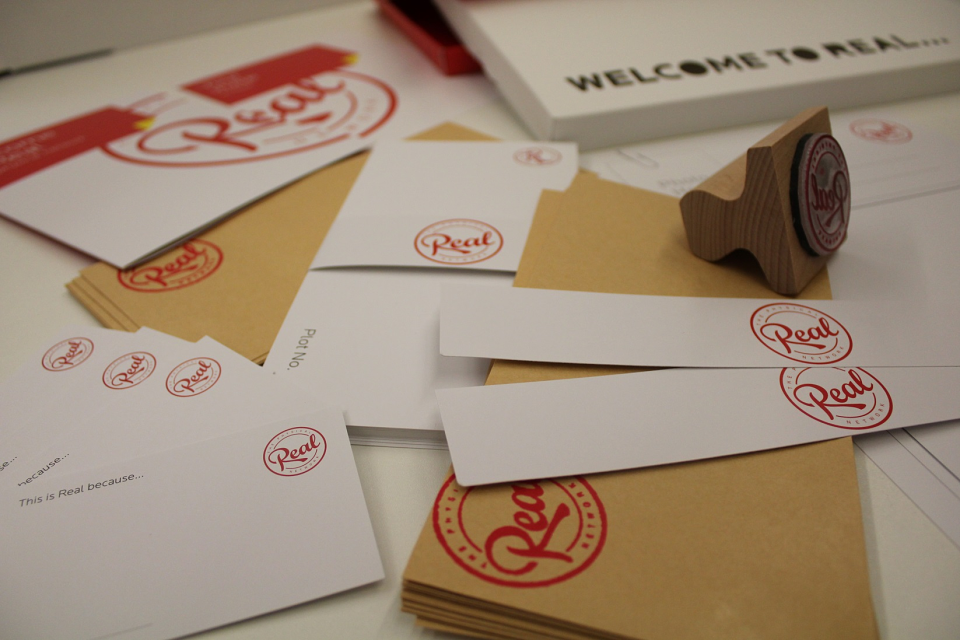
Founding members were initially contacted through an unbranded Twitter account, ‘@welovereal’ that was initially set up to surface great physical content from the world of marketing and beyond. Once we received a response (a 98% response success rate from the initial engagement), we asked for an address and sent out a starter pack containing a membership card, postage-paid envelopes and instructions for using Real. All we asked is they temporarily transfer their online behaviour offline, and experience how amazing it feels.
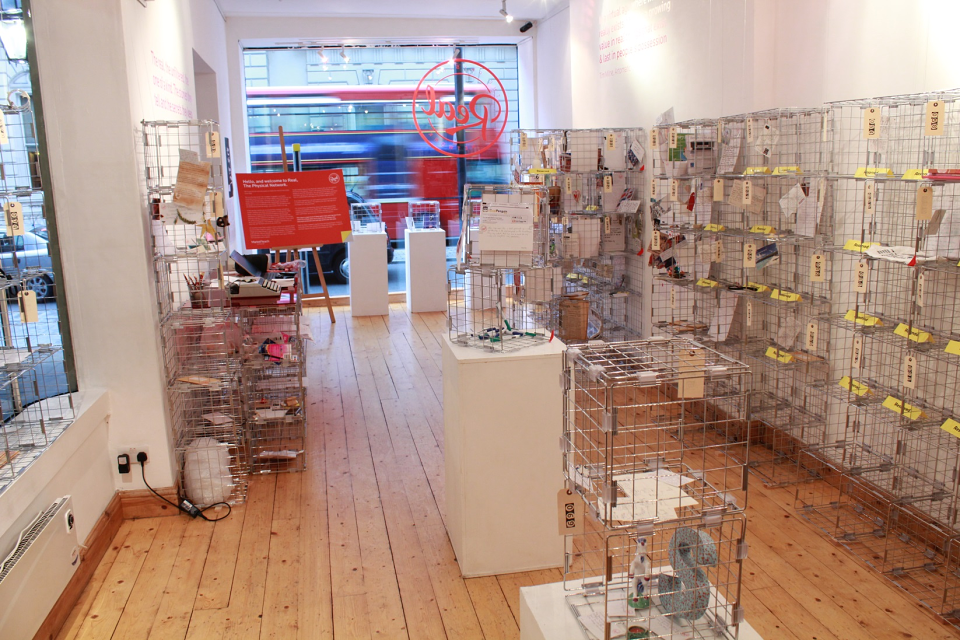
To house everything, an area in Pall Mall, Central London, was turned into the Real Network for six weeks; we created 100 plots (2ft x 2ft cages) and invited the 50 founder members to help us to fill it with real objects of value to them, each tagged with the reasons those objects meant something.
Within a few days the network filled up. People talked about Real on and offline, and there was an influx of new people contacting us to join. We capped the first phase of the network at 100 individuals and profiled the people getting in touch to ensure only the most relevant candidates were accepted.
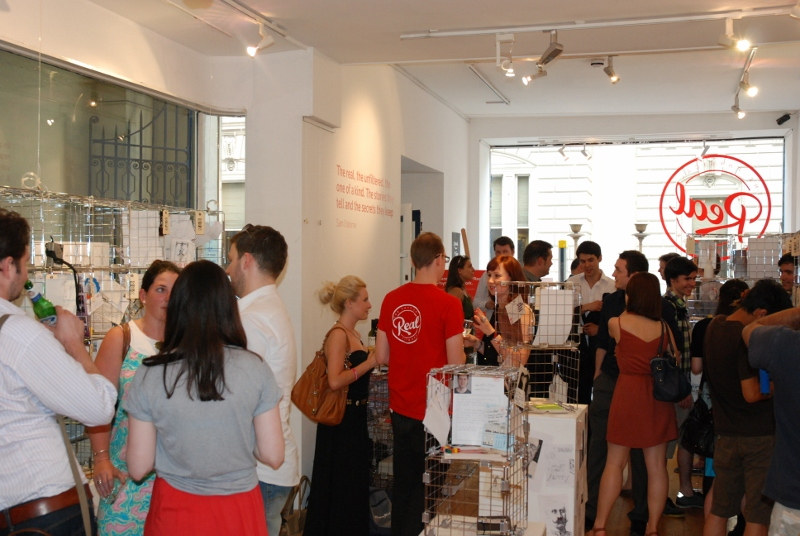
The gallery was open to the public during the day, with a second floor to the Gallery reserved to host a ‘public plot’. The public plot was quickly filled with contributions by people from all walks of life, with cards left next to individual items to explain why they meant so much.
We hosted meetings with the members of the network at the site, to bring together like minded people, and to talk about the launch of MarketReach. These events provided a great opportunity to show the decision makers how much thought people had put into sharing their physical objects, and with over 1,500 individual objects received, there was more than enough content to show the impact something real can have.
The Twitter account continued to cover all the content we received, as well as the members’ plots, and the website showcased the members’ items, using digital for what it does best; reaching more people.
Real: The Physical Network reached 3 million people online. Analysis of the audiences reached, and the followers on twitter, showed that an active proportion were from the marketing industry, with many MDs, CDs, senior planners and strategy directors among those engaging with the project digitally (and thus sharing it, and amplifying our message), but getting a very real sense of Real. There were over 1,500 highly positive conversations in social media about Real; 45% of the people involved in these conversations were people within the marketing industry.